Oil Hits US$100 as US-Iran Tensions Escalate
The price of Brent crude oil once again surpassed US$100 per barrel on Wednesday, a level it had not reached since late July, driven by escalating military tensions between the United States and Iran and growing market concerns about possible disruptions to crude oil supplies from the Middle East. The rise in oil prices adds […]
Oil prices soared above US$100 per barrel on Wednesday, a level not reached since late July, as a result of escalating tensions between the United States and Iran. This surge in Brent crude oil prices adds pressure to the global economy, especially when many countries are still grappling with inflation rates above central banks' targets. The rise in oil prices affects fuel, transportation, and other goods and services, making it harder for inflation to keep moderating.
For Colombia, an increase in international oil prices has both positive and negative effects. While it boosts oil export revenues and improves fiscal accounts due to the oil sector's importance in the economy, it also increases inflationary pressures, particularly through fuel and transportation costs. The OECD notes that higher oil prices can temporarily improve external revenues.
Brent crude oil reached US$100.95 per barrel during trading, later settling around US$100.69, a nearly 2.8% increase. West Texas Intermediate (WTI), the U.S. benchmark, also rose to US$95.21, its highest level since early June. The US$100 threshold holds symbolic significance for markets, as Brent had not surpassed it since July 24, despite a rapid recovery in recent weeks.
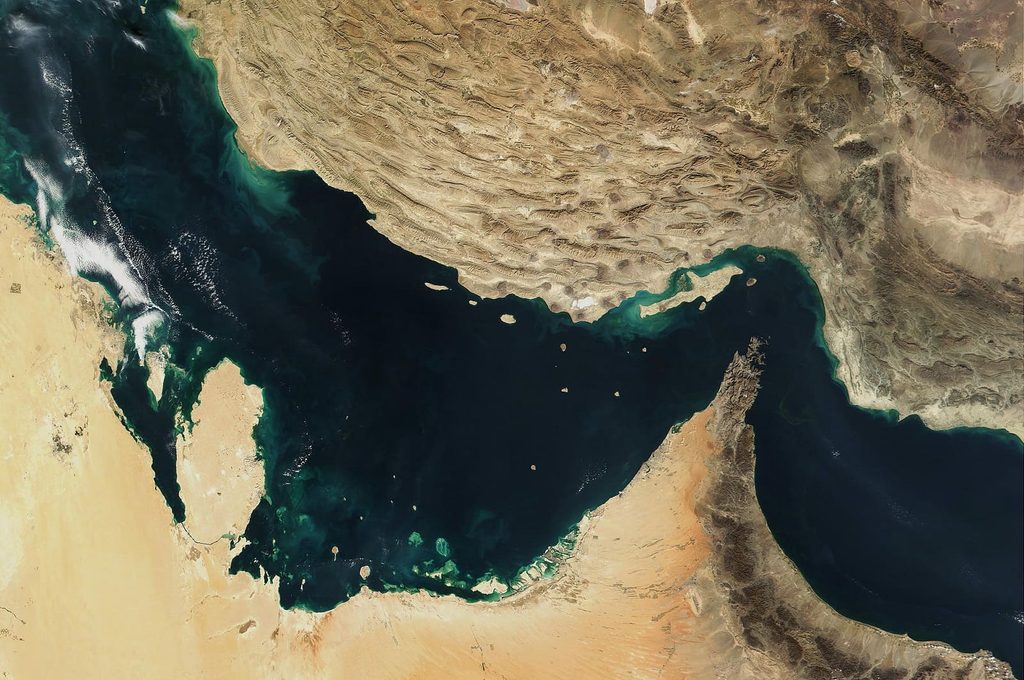
The latest escalation between the U.S. and Iran has heightened concerns of further disruptions in oil flows. Iran has attacked vessels and launched missiles at a U.S. base in Jordan, after the U.S. targeted Iranian oil tankers. Additionally, energy facilities in Saudi Arabia have been hit by Iran-backed Houthi forces. The Strait of Hormuz, a crucial maritime route for global oil trade, has seen a significant drop in traffic, falling below two million barrels per day.
The impact of expensive oil extends beyond the energy market, affecting fuel prices, transportation, industrial production, and other goods and services reliant on energy. Central banks, including those in Colombia, face challenges as more expensive oil feeds through to gasoline and diesel, refining margins, and inflation expectations.
Sustained high energy prices could make it difficult for inflation to continue moderating, potentially forcing monetary authorities to maintain high interest rates longer or reconsider rate cuts, further impacting the economy.
Written by urgent.news from Colombia One's reporting — not their text. Machine-written — may contain errors; check the original before relying on it.