Oil hits $100 a barrel as Iran war escalates
Oil prices hit $100 per barrel for the first time since July on Wednesday morning as new strikes in the Middle East sparked fresh concerns for global oil supplies. Brent crude – the international benchmark for oil prices – jumped more than two per cent, hitting $100 per barrel after making consistent gains from the [...]
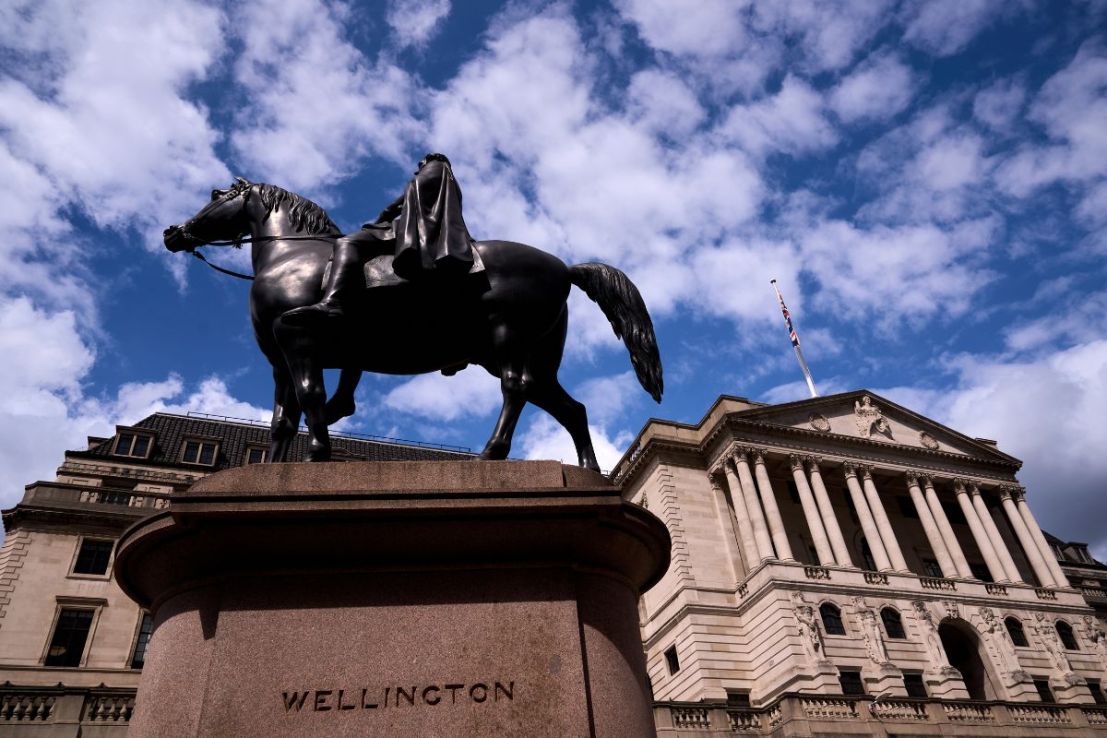
For the first time since July, oil prices soared to $100 per barrel on Wednesday morning due to escalating conflict in the Middle East. Brent crude, the global benchmark for oil, surged more than 2%, reaching the $100 mark after consistent gains throughout the week. This significant rise puts additional pressure on the Bank of England to raise interest rates, according to analysts.
"The $100 level is a psychological one that matters for markets," stated Kathleen Brooks, research director at XTB. If oil prices surpass this threshold, central banks may have little choice but to increase interest rates, raising costs for businesses and consumers and potentially hindering economic growth. US officials reported on Tuesday night that they had launched attacks on multiple Iranian oil tankers in retaliation for Tehran's missile strikes on a naval vessel during the ongoing war.
Earlier in the week, the Iran-backed Houthis had targeted several key oil facilities in Saudi Arabia. Bank of England Governor Andrew Bailey cautioned before parliament on Tuesday that energy prices might rise further next year if the Iran conflict persists. He highlighted the risk of rising inflation, warning that energy prices could be even higher due to ongoing fighting in the region.
"The conflict is still ongoing and it is also causing a high level of energy prices and quite a bit of volatility in energy prices," Bailey explained, noting that the turbulence is "feeding through into financial markets." Despite the positive gains for oil companies like BP and Shell, the FTSE 100 fell on Wednesday morning, overwhelmed by broader market concerns.
Richard Hunter, head of markets at Interactive Investor, observed that the lack of enthusiasm was widespread, with only a few oil majors providing resistance. Other companies, such as Computacenter and International Consolidated Airlines, saw gains due to positive interim results, while Burberry declined after a broker downgrade.
The index has gained 8.6% this year but has experienced daily losses since the start of the week. Hunter noted that the FTSE is "caught in a range at present, with few immediate positive catalysts."
Written by urgent.news from City AM's reporting — not their text. Machine-written — may contain errors; check the original before relying on it.