New York's Muslims emerge from the shadow of 9/11
ASAD Dandia was 8 when he watched the Sept 11, 2001 attacks on television at his Pakistani immigrant parents’ home in New York.
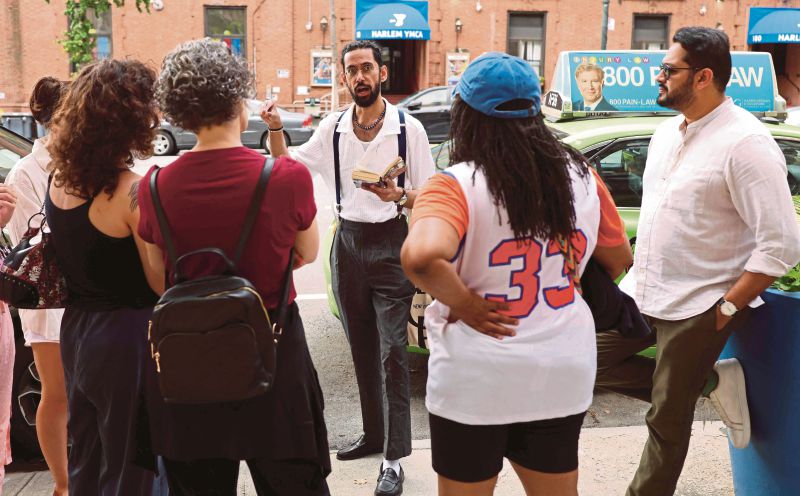
Asad Dandia recalls watching the September 11, 2001 attacks on television with his Pakistani immigrant parents in New York at age eight. The aftermath saw a wave of Islamophobia as Americans grappled with the tragedy that claimed nearly 3,000 lives. Dandia, now 33, experienced police surveillance of his family home, part of a now-disgraced program meant to detect Islamic extremism.
Fast forward to today, and Dandia finds a New York transformed, with its first Muslim mayor, public prayers in Times Square, and new mosques sprouting across the city. Twenty-five years after the attacks, Dandia, a historian, acknowledges the grief and mourning for what happened while recognizing he is not responsible for the 9/11 tragedy.
He emphasizes that he deserves no special treatment for the past and considers himself fully integrated into New York society. The article highlights the surge in Islamophobia following the attacks, including increased public assaults and harassment against Muslims, leading some to stop wearing religious markers like hijabs. Authorities monitored Muslims, forcing them to register with the government, resulting in deportations.
Dandia himself faced scrutiny as a college student when a mutual aid charity he started was infiltrated by an NYPD informant. This experience led to a landmark legal settlement restricting the NYPD's surveillance programs and establishing a watchdog to monitor the force. While Islamophobia still exists in New York, with around nine percent of the population being Muslim, the city now boasts the largest mosque in the state and over 100 new mosques since 2001.
Muslims are increasingly recognized as a vibrant and influential part of New York's cultural and political landscape. However, some still call for vigilance, with far-right figures rallying against what they see as an "Islamic takeover" of the city.
Written by urgent.news from New Straits Times's reporting — not their text. Machine-written — may contain errors; check the original before relying on it.