New EU law lets Spanish councils cap Airbnb and second homes: who’s protected and who isn’t
In the Baleares, an average household now spends 57 per cent of its income just to cover their first year’s […]
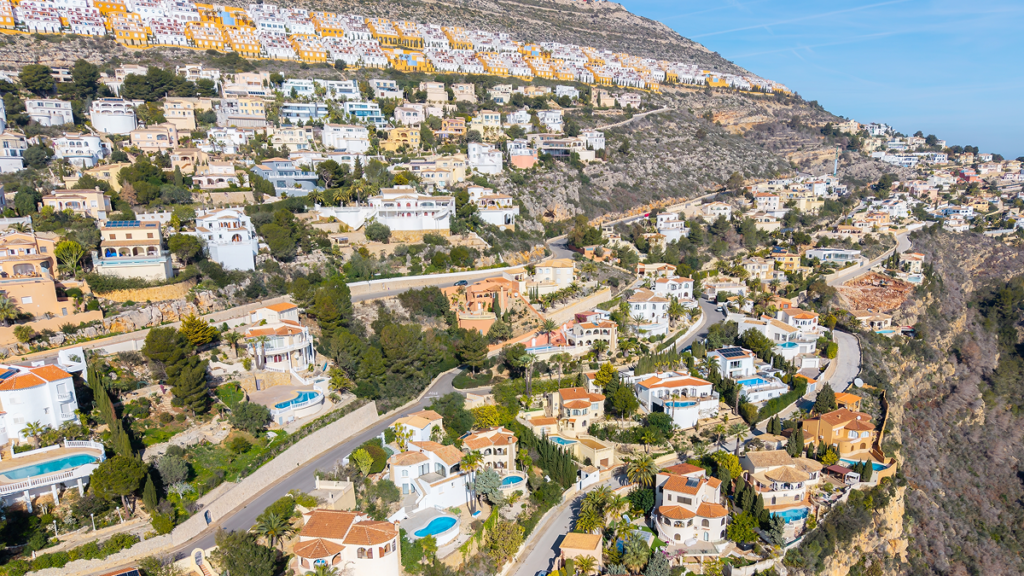
Spain's new EU law allows local councils to limit non-primary home purchases and Airbnb rentals in areas experiencing housing stress. The Affordable Housing Act, proposed by the European Commission on September 9, outlines a common method for identifying areas in need of regulation. To qualify, an area's average home must cost at least eight years of the average person's disposable income, with the ratio rising over the past decade and showing little sign of improvement in the next three years.
Spain's national price-to-income ratio is currently around 7.5 years, but regional disparities exist, with certain provinces already exceeding the EU's trigger point of 35%. Areas meeting the criteria can implement restrictions through quantitative caps, authorisation schemes, or owner-occupation rules, provided they demonstrate three years of solid evidence that the activity has damaged local affordability.
Notably, the law protects primary residences from restrictions and prevents retroactive enforcement. Spain already has a system for declaring strained zones based on rent or mortgage costs, but the new EU law provides additional legal recourse for local authorities. Housing Minister Isabel Rodríguez has advocated for this legislation, as Spanish town halls have previously faced the risk of costly litigation.
While the Act will not immediately fast-track measures like Barcelona's plan to phase out tourist flats, it provides a more streamlined route to court for future town halls seeking similar actions. The proposal will now be reviewed by the European Parliament and EU governments before becoming law, likely not before 2027.
Written by urgent.news from Euro Weekly News's reporting — not their text. Machine-written — may contain errors; check the original before relying on it.
Also reported by 4 other outlets
- Messi agrees to buy second Spanish club dailytimes.com.pk
- Messi agrees to buy second Spanish club myjoyonline.com
- Messi agrees to buy second Spanish club bbc.co.uk
- Lionel Messi set to buy Spanish second division club indianexpress.com