Nepal glacier saw exceptional heat before collapse caused deadly floods, data shows
Average temperatures on the mountain glacier at an altitude of 5,200 meters were estimated at around 5 degrees Celsius between Aug. 21 and 26.
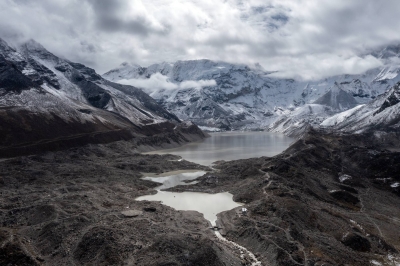
Meteorological data reveals the Nepalese glacier, which collapsed on August 26, experienced extreme heat prior to the disaster. Researchers estimate average temperatures on the glacier, at 5,200 meters, hovered around 5 degrees Celsius between August 21 and 26. Such temperatures had not been recorded in over 55 years. Robert Rohde, a scientist at Berkeley Earth, reconstructed this localized temperature spike, estimating a 1.8 degree Celsius increase since the mid-20th century.
Without climate change, such a temperature pattern would be extremely rare, occurring only once in thousands of years. The Langtang region experienced its fourth-hottest summer on record, according to French climatologist Valerie Masson-Delmotte. Degradation of permafrost, which acts as ice cement binding rock faces together, likely contributed to the slope and glacier collapse.
Satellite images showed significant snowmelt days before the disaster, providing a large source of water that could infiltrate fractures and trigger landslides, according to glaciologist Etienne Berthier. However, experts caution that the heatwave's role is complex. Geomorphologist Kristen Cook notes that the temperature likely served as a trigger only when the rock was near its collapse tipping point.
Researchers are now studying the mountain's movements and temperature interactions before the collapse. Proving that rock near the fracture plane was significantly weakened due to meltwater or permafrost thaw would offer strong evidence of climate change's impact. The temperature analysis used ERA5 climate model data and 14 high-altitude weather stations near the collapsed glacier.
Written by urgent.news from Japan Times's reporting — not their text. Machine-written — may contain errors; check the original before relying on it.
This story
This is one outlet's version. Read the fullest account.