Mumbai: Red-Painted Stones At Parsi Tower Of Silence Spark Concerns Over Pet Burial, Lack Of Civic Rules
Mumbai, September 9, 2026: A circle of stones smeared with red paint at the Parsi Tower of Silence in Malabar Hill has raised concerns among residents about the burial of animals within the cemetery and whether such burials are being conducted in accordance with appropriate safeguards. Families living in Godrej Baug, the Parsi residential colony on Nepean Sea Road, use a pathway through the…
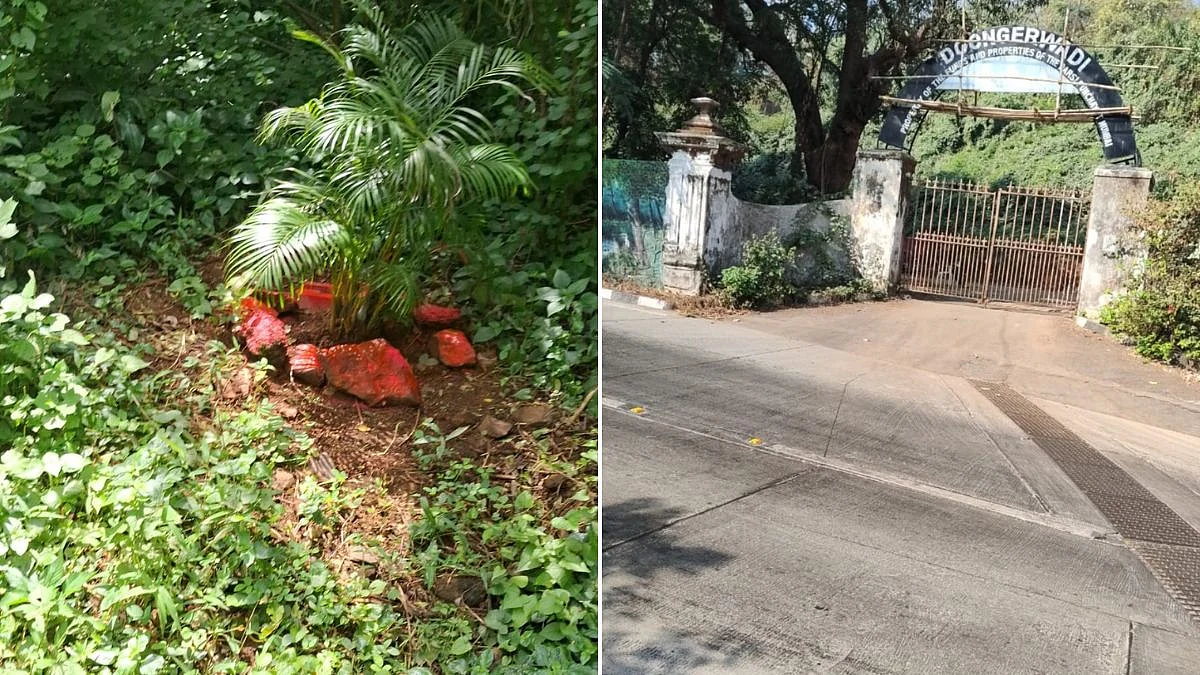
In the Malabar Hill area of Mumbai, a circle of red-painted stones at the Parsi Tower of Silence has sparked concerns among residents regarding the burial of pets within the cemetery and the adherence to proper burial practices. Living in the Godrej Baug Parsi residential colony, a resident first noticed the stones while walking home and initially suspected they were linked to occult or black magic rituals. Upon further investigation, they discovered the stones were markers for an animal grave.
Parsi-Zoroastrians commonly bury pets at the Doongerwadi cemetery, also known as Doongerwadi among the community. The former cemetery staff member stated that the burial of pets is officially permitted, and this case involved a pet dog. The stones used as markers were painted, which raised some suspicions.
The Brihanmumbai Municipal Corporation (BMC) has established pet crematoriums at Mahalaxmi, Deonar, and Malad. However, there are currently no specific municipal regulations governing the burial or disposal of dead animals' remains. The Society for the Prevention of Cruelty to Animals (SPCA) has a pet crematorium at Parel.
Adil Malia, a trustee of the Bombay Parsi Punchayet (BPP), which manages the Malabar Hill cemetery, explained that Zoroastrian tradition holds dogs in high regard due to their protective nature and symbolic role as guardians of the Chinvat Bridge, which souls encounter after death. The ceremonial act of bringing a dog to gaze upon the deceased, called Sagdid, is part of the Zoroastrian funeral rites prior to placing the body in the Dakhma or Tower.
This act serves the purpose of spiritual protection and ritual purification, aiming to repel the negative influence associated with decay and the pollution of a corpse.
Written by urgent.news from Free Press Journal's reporting — not their text. Machine-written — may contain errors; check the original before relying on it.