Morning Bid: $100 Brent in sight, yen defies gravity
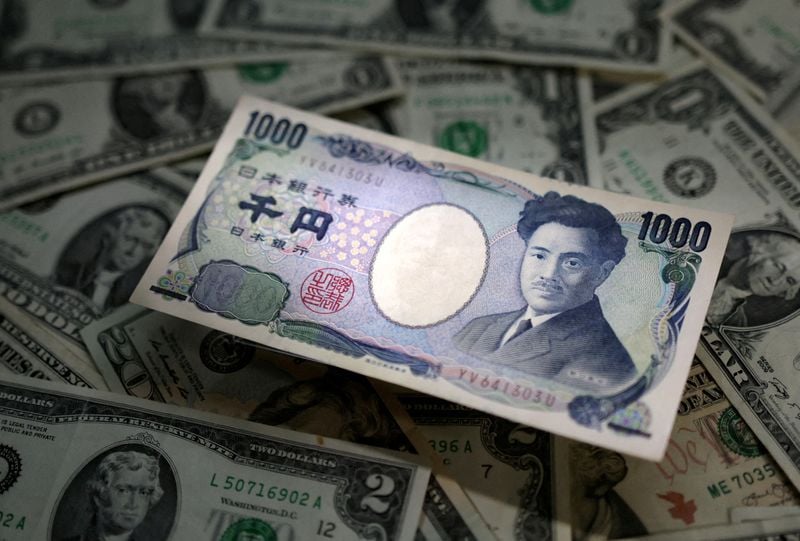
Brent crude prices have reached the threshold of $100 a barrel, a level not seen since late July, as fresh unrest in the Middle East heightens concerns that the conflict could escalate into a wider regional war. This situation is tempering risk appetite in Asian equity markets, with the exception of AI-related stocks. Meanwhile, the Japanese yen is defying expectations and climbing to seven-month highs against the dollar.
Despite the strong performance of the yen, other currencies remain subdued following a flurry of policy announcements from major central banks. Iran has retaliated against U.S. strikes on its oil tankers by targeting a U.S. base in Jordan, while Iranian-backed Houthis have attacked several Saudi cities. A return of Brent crude prices above $100 could have a psychological impact on markets that have been preoccupied with global inflation risks.
The AI trade, which experienced a sharp correction earlier in the year, has shown signs of recovery. SK Hynix shares climbed over 4%, helping South Korea's KOSPI to a 2% increase. Japanese cable makers, Fujikura and Furukawa Electric, also experienced significant gains after a multi-billion dollar agreement between Verizon and Corning for high-density optical fiber reignited interest in data center-related investments.
Despite the yen's strength, it is gradually moving closer to its recent peak of 152.89 per dollar. The rally in the yen is attributed to hawkish signals from the Bank of Japan, as well as speculation that Japanese investors might repatriate overseas assets into domestic bonds. The self-reinforcing rally is fueled by stop-loss orders being triggered, triggering a wave of short-covering and amplified by algorithmic trading.
The next milestone to watch is the annual high of 152, with analysts suggesting the yen may have overextended itself and could retreat towards 155 before the Bank of Japan's meeting next week. While a quarter-point rate increase is already anticipated, the pace of further tightening will be critical. The European Central Bank is set to raise rates on Thursday, ahead of potentially market-moving U.S. inflation data on Friday.
Following the Fed meeting, the Bank of England is expected to leave rates unchanged a day later. Key events influencing markets this week include the European Central Bank's rate decision, the U.S. inflation data release, and the Bank of England's monetary policy announcement.
Written by urgent.news from Investing.com's reporting — not their text. Machine-written — may contain errors; check the original before relying on it.