Mizoram's Saitual Achieves ‘Surakshit’ HIV Status; What Does It Mean?
Mizoram’s Saitual district has achieved the distinction of being recognised as a ‘Surakshit’ district for HIV prevention, marking an important milestone in the state’s ongoing fight against the spread of HIV/AIDS. The milestone has been achieved under the National AIDS Control Organisation (NACO)’s Mobilisation AIDS Suraksha (MAS) campaign after achieving all three of the 95-95-95 HIV treatment…
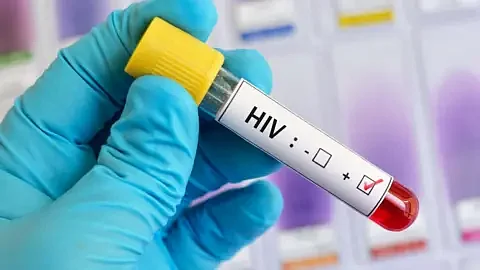
Mizoram's Saitual district has recently been recognised as a 'Surakshit' district for HIV prevention, a significant milestone in the state's ongoing battle against HIV/AIDS. This achievement, under the National AIDS Control Organisation's (NACO) Mobilisation AIDS Suraksha (MAS) campaign, came after the district met all three of the 95-95-95 HIV treatment and prevention targets.
The 'Surakshit' designation is awarded to districts that have achieved the 95-95-95 goals, which aim to break the chain of HIV transmission. These goals are: 95% of individuals living with HIV know their HIV status, 95% of diagnosed individuals receive sustained antiretroviral therapy, and 95% of people on treatment have viral suppression.
Saitual's recognition as a 'Surakshit' district comes after it achieved all three targets, marking it as the only district in the state to reach this status through NACO's MAS initiative.
The achievement is particularly noteworthy given that Mizoram historically has a high HIV prevalence compared to other parts of India. The 'Surakshit' status is closely tied to India's national HIV/AIDS prevention strategy, and it indicates that the district has made substantial strides in controlling HIV transmission and ensuring that at-risk individuals or those living with HIV can access essential health services.
This status is not only about reducing infections but also about fostering an environment where people can seek testing and treatment without fear or stigma.
Saitual's achievement is crucial for Mizoram because HIV prevention necessitates persistent community involvement. Social stigma and limited awareness can discourage individuals from seeking testing or treatment, making sustained efforts all the more vital. Early diagnosis and effective treatment are key in reducing the risk of transmitting HIV to others, and the Saitual milestone demonstrates how coordinated public-health interventions can yield measurable results.
Dr Zothanpari Chhakchhuak, Deputy Chief Medical Officer, credited the achievement to the support of Saitual Deputy Commissioner Srinivas Sadi and the cooperation from community leaders, NGOs, and churches.
Written by urgent.news from Free Press Journal's reporting — not their text. Machine-written — may contain errors; check the original before relying on it.