Megadeth guitarist becomes voice of reason regarding tourists dancing at shrine in Japan
Tourists’ dance video at Kyoto shrine prompts angry response from Marty Friedman. There are times in life when agreeing to disagree is the most sensible thing to do, but so too are there times when someone has to be willing to stand up and say “What you’re doing is wrong, so stop.” Sometimes that voice […]
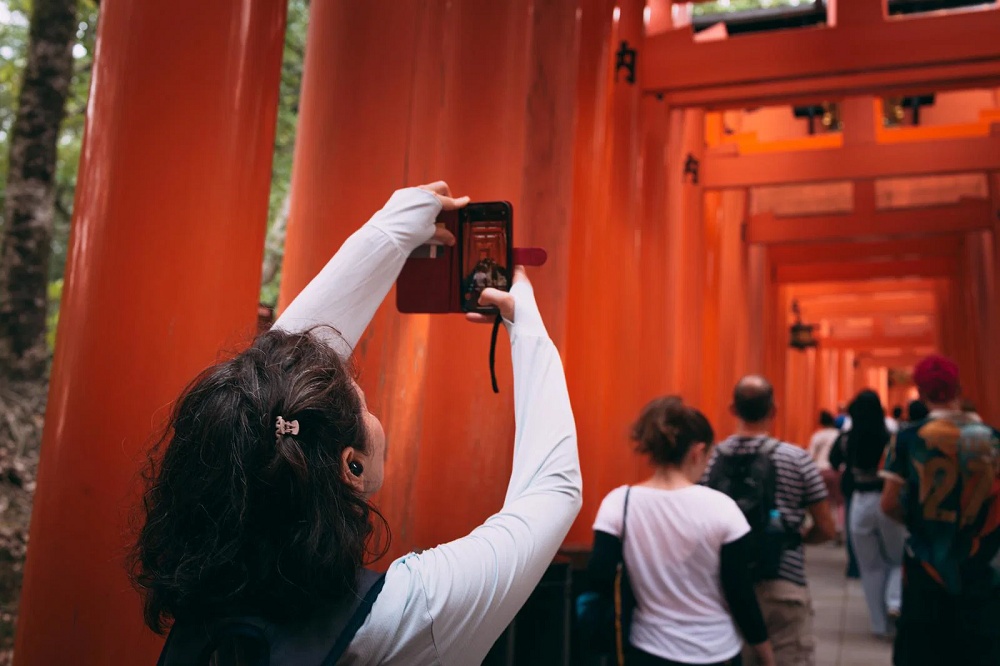
Marty Friedman, the former lead guitarist of thrash metal band Megadeth, has become a voice of reason regarding tourists dancing at the Kyoto shrine, Fushimi Inari. His tweet, posted on September 6, 2026, expressed his disapproval of tourists' disrespectful behavior at the shrine. He stated, "PLEASE STOP DOING THIS. Japan is known for gracefully welcoming foreigners, but those days will end if you continue this disrespect.
You are leaving an extremely shameful impression of your entire country. Who raised you to act this way? Just stop. Thank you."
Friedman, who has lived in Japan for over 20 years, understands the cultural nuances of Japanese society. He emphasized that while shrines and temples are not typically solemn places, they do not encourage flippant behavior. The shrine's sprawling layout can sometimes create a casual atmosphere, but this does not mean tourists can dance and block the walkways.
The original tweet criticized the shrine as "not a backdrop for social media content," but Friedman noted that photos of shrines with seasonal flowers or foliage are generally acceptable.
However, the dance video in question showed tourists trampling off the allowed footpath into the surrounding natural environment, then hopping back in and blocking the entire walkway while making it their group's personal dancefloor. This behavior is a clear violation of etiquette and disrespect towards the shrine and its visitors. Friedman's stern warning aims to educate tourists about the importance of respecting cultural sites and avoiding behavior that could tarnish Japan's image.
Written by urgent.news from SoraNews24's reporting — not their text. Machine-written — may contain errors; check the original before relying on it.