Marriage equality strengthens Hong Kong families and communities
Hong Kong’s debate over same-sex relationships is often framed as a question of constitutional law, social values, or individual rights. But it is also a question of public health. A year after the Legislative Council rejected the Registration of Same-sex Partnerships Bill, the legal recognition of same-sex couples remains unresolved – and that uncertainty places […]

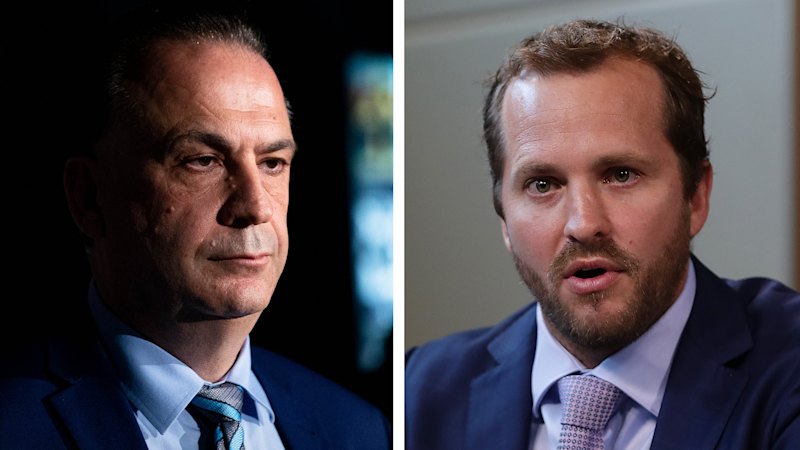
The debate surrounding same-sex relationships in Hong Kong often revolves around legal, social and individual perspectives. However, a rarely considered aspect is the impact on public health. Despite the rejection of the Registration of Same-sex Partnerships Bill, the legal recognition of same-sex couples remains unresolved, causing stress for same-sex couples. A recent example is Henry Li, who faced lengthy legal battles after his husband's death to secure standard protections.
Mental health has become a significant concern in Hong Kong, especially among younger individuals. Yet, discussions often focus on personal interventions rather than structural conditions, such as social inclusion, discrimination protection, and legal recognition of non-traditional families. While marriage might not seem a public health issue at first, it's important to note that healthcare services and individual choices are influenced by social conditions, including legal frameworks.
Research shows that LGBTQ+ individuals in Hong Kong face substantial mental health challenges. A 2025 survey found that 30.8% of LGBTQ+ respondents reported moderate-to-severe depression, and 24% experienced moderate-to-severe anxiety, numbers largely unchanged from a 2018 survey. These persistent disparities suggest that visibility alone hasn't eradicated the structural and social factors contributing to poorer mental health.
The law plays a crucial role in shaping health conditions, including access to security, social support, and equal treatment. The minority stress framework highlights how persistent discrimination, stigma, and exclusion lead to chronic psychological pressures among sexual minorities, not from orientation itself but from social conditions. Legal recognition of relationships can significantly reduce these perceptions, reinforcing the idea that all families are equally worthy of recognition and protection.
In Hong Kong, same-sex couples navigate a fragmented legal landscape where recognition in one area doesn't necessarily apply elsewhere, causing uncertainty during critical moments like illness, emergencies, and bereavement. Marriage provides a clear legal framework governing inheritance, property, taxation, and family responsibilities, crucial during such situations.
The phrase "we're married" communicates family status more clearly than alternative legal arrangements, which might not be immediately recognized by emergency services, employers, or businesses.
Internationally, the Lancet has emphasized that LGBTQ+ health is closely tied to broader rights, inclusion, and social well-being. A 2021 review of 59 studies found that equal marriage promotes social acceptance and reduces stigma. However, marriage equality should not be seen as a standalone mental health intervention. It's part of a larger picture demonstrating the link between legal and social environments and health outcomes.
When people see their families' value in law, trust in institutions grows, and societal bonds strengthen. Public health policy already acknowledges laws' role in shaping health conditions, and family law is an integral part of this broader social environment.
Written by urgent.news from Hong Kong Free Press's reporting — not their text. Machine-written — may contain errors; check the original before relying on it.
This story
This is one outlet's version. Read the fullest account.