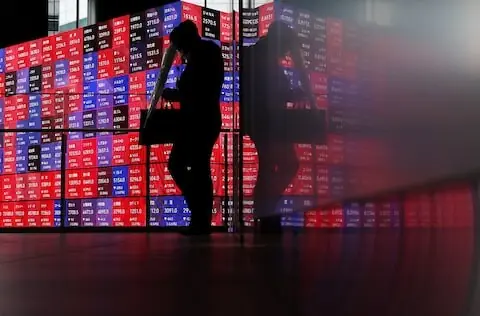
Macau wants to be a ‘business city,’ not just a gaming hub—and it’s spending $16 billion to help it get there
IPIM board president Alex Che Weng Keong says the casino hub can use its regulatory autonomy and Portuguese heritage to become a "tech city."
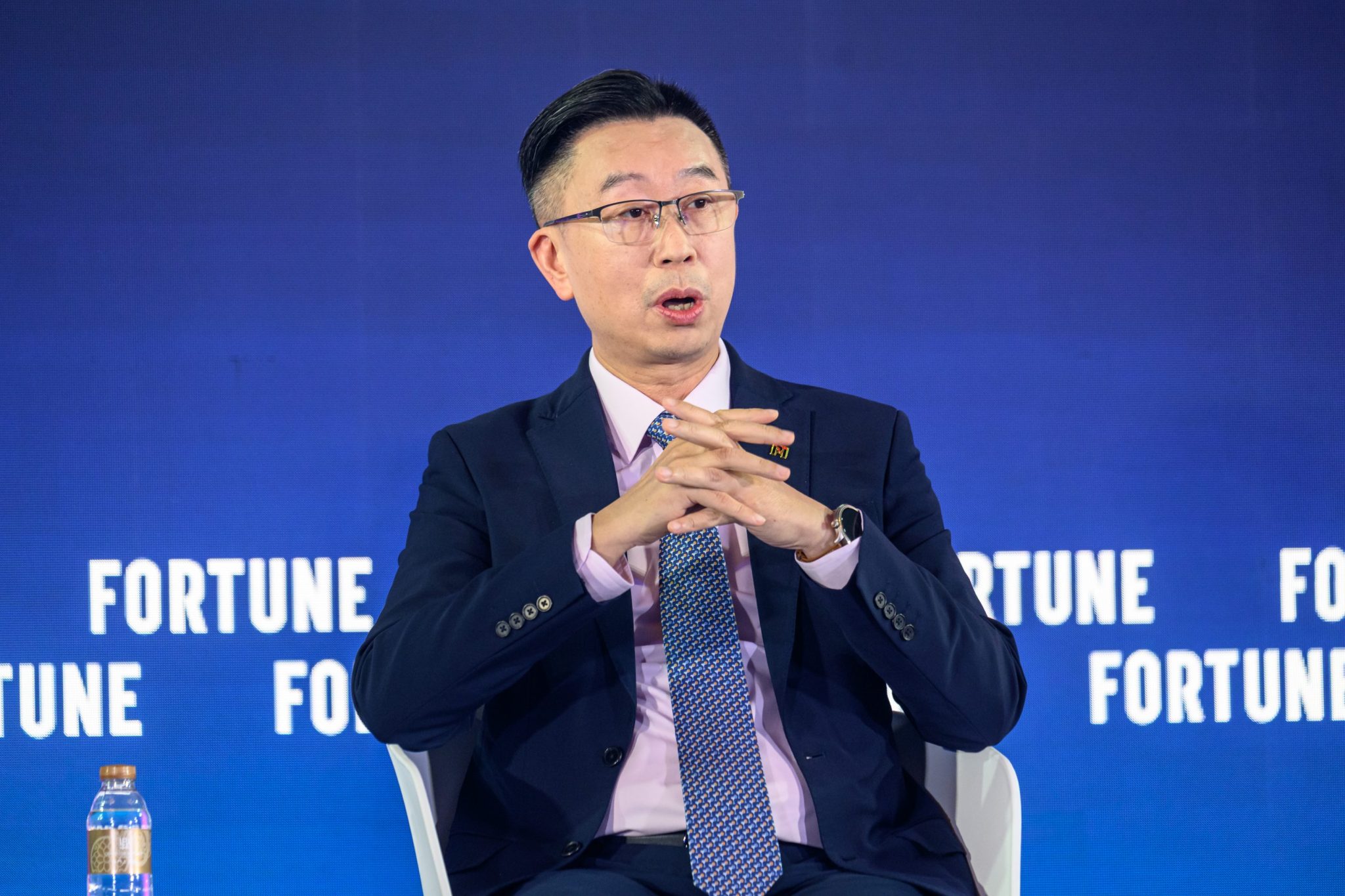
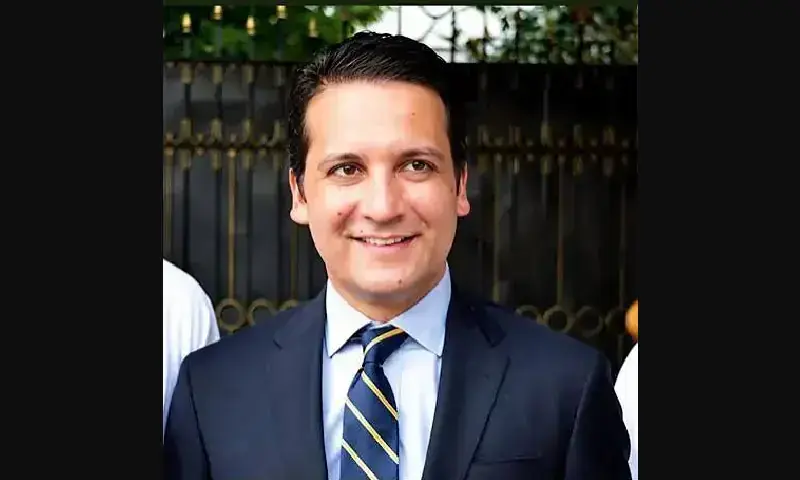
Macau, home to the world's largest gambling industry, is seeking to transform itself into a vibrant business hub, according to Alex Che Weng Keong, head of the Macao SAR's Commerce and Investment Promotion Institute. During a recent forum, Che compared Macau's aspirations to those of Las Vegas, arguing that a casino town can double as a "world-class venue for business, exchange, conferences, and exhibitions."
Gaming currently makes up around 45% of Macau's GDP and provides 80% of the government's tax revenue. In an effort to diversify its economy, the city's new five-year plan, running from 2026 to 2030, has allocated 130 billion patacas ($16.1 billion) towards emerging industries. Che envisions non-gaming sectors contributing 60% of Macau's GDP by 2030.
With its own currency, legal system, and customs territory, Macau can capitalize on this autonomy to attract diverse industries that require flexible regulations and talent mobility. Central to this strategy is the Guangdong-Macao In-Depth Cooperation Zone in Hengqin, a 106-square-kilometer island adjacent to Macau's border, which Che regards as vital to the Greater Bay Area's future.
The city's heritage as a former Portuguese colony, retaining Portuguese as an official language and a civil-law legal system, further strengthens its appeal to international partners. Macau, despite being the smallest city in the Greater Bay Area, is home to 87 million residents and generates $2 trillion in output—more than Spain or Australia.
However, Edward Au, southern region managing partner for Deloitte China, contends that the region lacks a unified innovation network. He proposes a clearer division of labor, with Hong Kong, Shenzhen, and Guangzhou focusing on cutting-edge innovation, manufacturing hubs like Dongguan and Foshan handling mid-stream engineering, and Macau and Hengqin specializing in traditional Chinese medicine, health, and data technology.
Che hopes that by 2036, Macau will be recognized not just as a casino hub, but as a unified "tech city."
Written by urgent.news from Fortune's reporting — not their text. Machine-written — may contain errors; check the original before relying on it.