Killer mosquitoes: As the climate changes, African diseases are spreading to Europe
In 2026, an extreme heatwave caused 10,000 deaths across just five European countries. Another consequence is the spread of infections previously uncommon in on the continent. In France, a case of dengue fever has been confirmed , and in Berlin, three residents were diagnosed with infections caused by bacteria that live in brackish water after being infected on Germany’s Baltic coast, which…
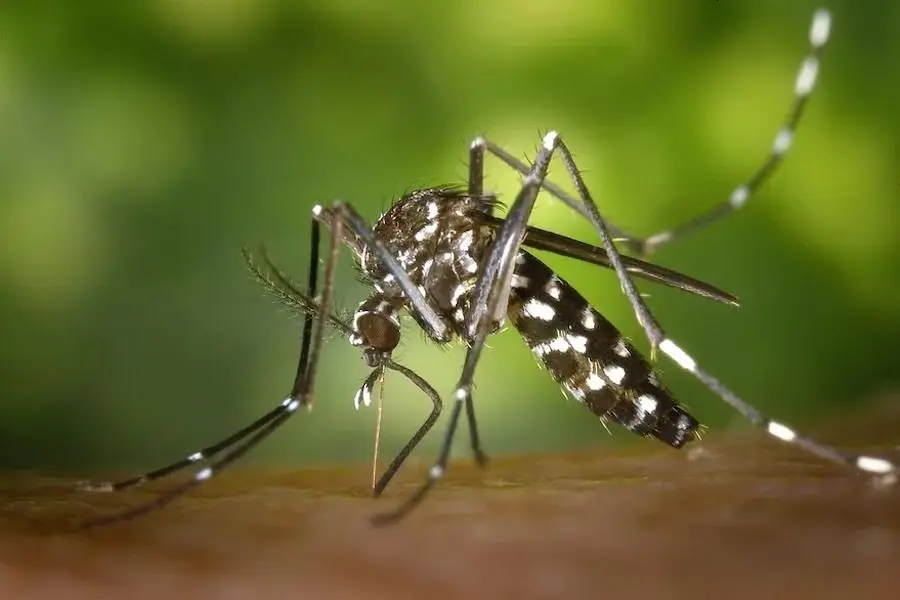
Climate change is reshaping the landscape of infectious diseases, pushing certain afflictions from their traditional African and Asian territories to Europe. One notable example is the Asian tiger mosquito, known for transmitting dengue, chikungunya, and Zika viruses. As of June 2025, this invasive species has established populations in 16 EU/EEA countries and 369 regions, a significant jump from 114 a decade prior.
Another disease on the move is West Nile virus, with 1,436 locally acquired cases reported in Europe in 2024. The main vectors in Europe are Culex mosquitoes, and birds serve as the virus's natural reservoir. Rising temperatures and extended mosquito seasons facilitate more intense transmission and expand the areas at risk.
Malaria is another disease whose transmission dynamics are changing. While Anopheles mosquitoes, the vectors that carry the malaria parasite, are widespread in Europe, sustained local malaria transmission hasn't become established. In 2022, EU/EEA countries reported 6,131 confirmed cases of malaria, with 99.8% linked to travel. Only 13 cases, believed to have been acquired within the EU, were detected - eight from mosquitoes introduced from abroad, mainly at airports, and two in healthcare settings.
Climate change doesn't automatically lead to epidemics; it only makes the conditions more favorable. The spread of infections depends largely on the effectiveness of disease surveillance, rapid diagnosis, access to treatment, and vector control. Delayed diagnosis can occur if doctors don't suspect the infection due to lack of travel history. However, with local transmission now a possibility, European states must adapt their surveillance, laboratory preparedness, and clinical awareness.
The timing of infection risk is also shifting due to climate change. Vibrio bacteria, for instance, thrive in warm and moderately salty waters. The Baltic Sea, particularly its shallow, rapidly warming waters, is especially vulnerable. In 2026, Berlin's State Health Office linked early vibriosis cases to early coastal water warming. The key factors are not just the presence of suitable conditions, but also when these conditions are met and for how long.
Thus, climate change is not just altering the geography of infectious diseases, but also the timing. Early warming leads to earlier vector activity, a longer transmission season in autumn, and easier survival of some mosquitoes and their eggs in milder winters. Early detection is crucial for timely epidemiological investigation and vector control, preventing potential outbreaks.
Written by urgent.news from The Insider's reporting — not their text. Machine-written — may contain errors; check the original before relying on it.