International Literacy Day: India’s Real Test Begins Beyond Literacy
International Literacy Day provides an occasion for celebration, but in India it should also be an occasion for uncomfortable questions. What exactly are we celebrating? A rising literacy rate is undoubtedly a major social achievement, but literacy is only the first step towards education. A person who can read, write and perform basic calculations is literate; an educated person should also be…
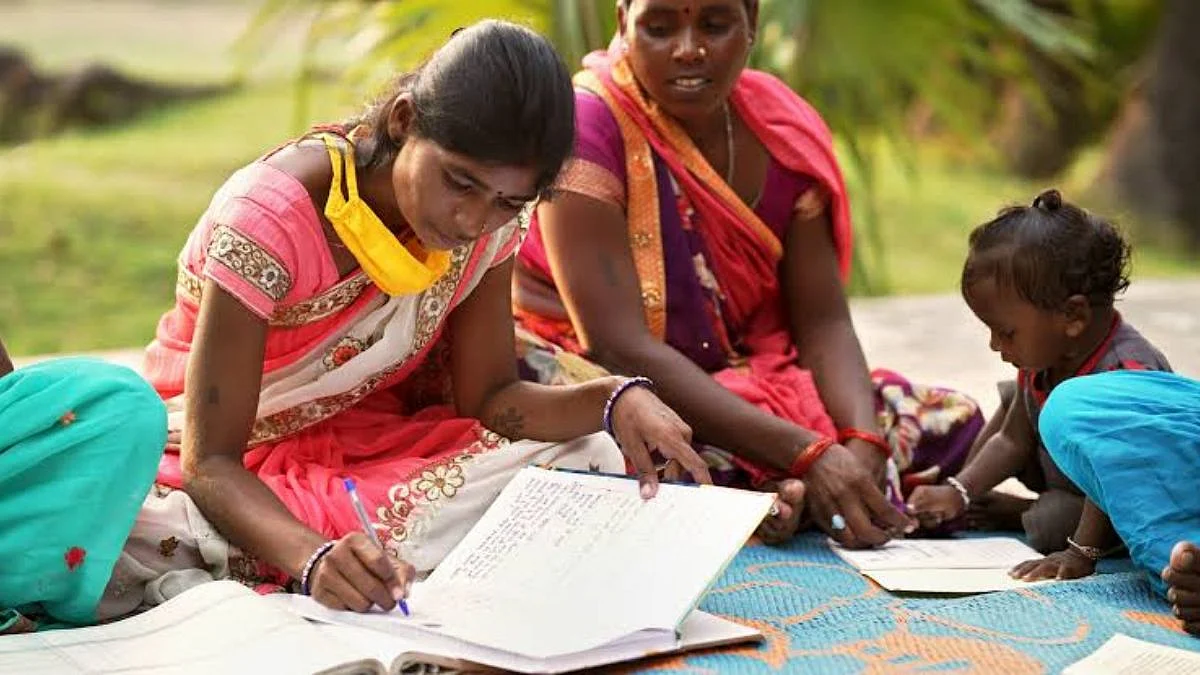
International Literacy Day serves as a moment to reflect, yet India's situation demands sobering questions. A heightened literacy rate is certainly a commendable accomplishment, but literacy merely marks the commencement of education. A literate individual can read, write, and execute fundamental calculations, whereas an educated person can comprehend, reason, acquire skills, make informed decisions, and engage in society.
This differentiation warrants meaningful action if it aims to illuminate the unfinished educational agenda.
India has witnessed progress since gaining independence, yet the disparity between states remains substantial. The gap between enrollment and actual learning is even more concerning. The uneven national literacy landscape emerges when examining data from the latest Periodic Labor Force Survey. In 2025, literacy stood at approximately 73.1% in Bihar, 74% in Rajasthan, 74.6% in Telangana, 77.2% in Uttar Pradesh, and 79.5% in Jharkhand.
Andhra Pradesh recorded 71.4%, with Kerala and Mizoram leading at 95.6% and 99.8%, respectively. Even Himachal Pradesh, among the higher performers, achieved 98.8% literacy, although it later reported a 99.5% literacy rate under its full-literacy campaign.
These figures underscore the danger of relying on a national average to assess India's educational landscape. Access to education is heavily influenced by factors such as geography, poverty, gender, social conditions, and the capacity of state governments to maintain schools and retain teachers. Bihar and Rajasthan, for instance, confront significant challenges in raising literacy among older generations and reducing the gender gap.
Maharashtra, with a literacy rate of 82.9% as per the 2011 Census — surpassing the national average of 74% — still exhibits noteworthy regional inequalities. Urban literacy in Maharashtra reached 88.7%, while rural areas lagged at 77.0%.
Maharashtra's high state-level literacy rate coexists with pronounced rural, tribal, and regional disparities. Urban literacy in the state was 88.7%, contrasting sharply with 77.0% in rural areas — a nearly 12-percentage-point gap. In Mumbai Suburban, literacy reached 90.9%, whereas tribal-dominated Nandurbar was at 63.0%, and Gadchiroli at 70.6%. Thus, Maharashtra exemplifies that a high state-literacy rate can coexist with serious disparities in rural, tribal, and regional contexts.
Southern states showcased diverse literacy rates in 2011. Kerala topped the chart at 93.9%, followed by Tamil Nadu (80.3%) and Karnataka (75.6%). Andhra Pradesh lagged behind at 67.7%. Maharashtra emerged as a clear leader among major southern states, with a literacy rate of 82.9%, just behind Kerala. Punjab and Haryana also experienced noteworthy improvements, with Punjab's literacy rate increasing from 69.7% in 2001 to 76.7% in 2011, and Haryana from 67.9% to 76.6%.
Delhi exhibited a literacy rate of 86.3% in 2011, with a significant 10-percentage-point gap compared to neighboring states Punjab and Haryana.
Written by urgent.news from Free Press Journal's reporting — not their text. Machine-written — may contain errors; check the original before relying on it.