Injectable nanodevices could provide effective treatment for drug-resistant glioblastoma
MIT researchers show implanted nanoantennas can be activated wirelessly to kill brain cancer cells without damage to healthy tissue.
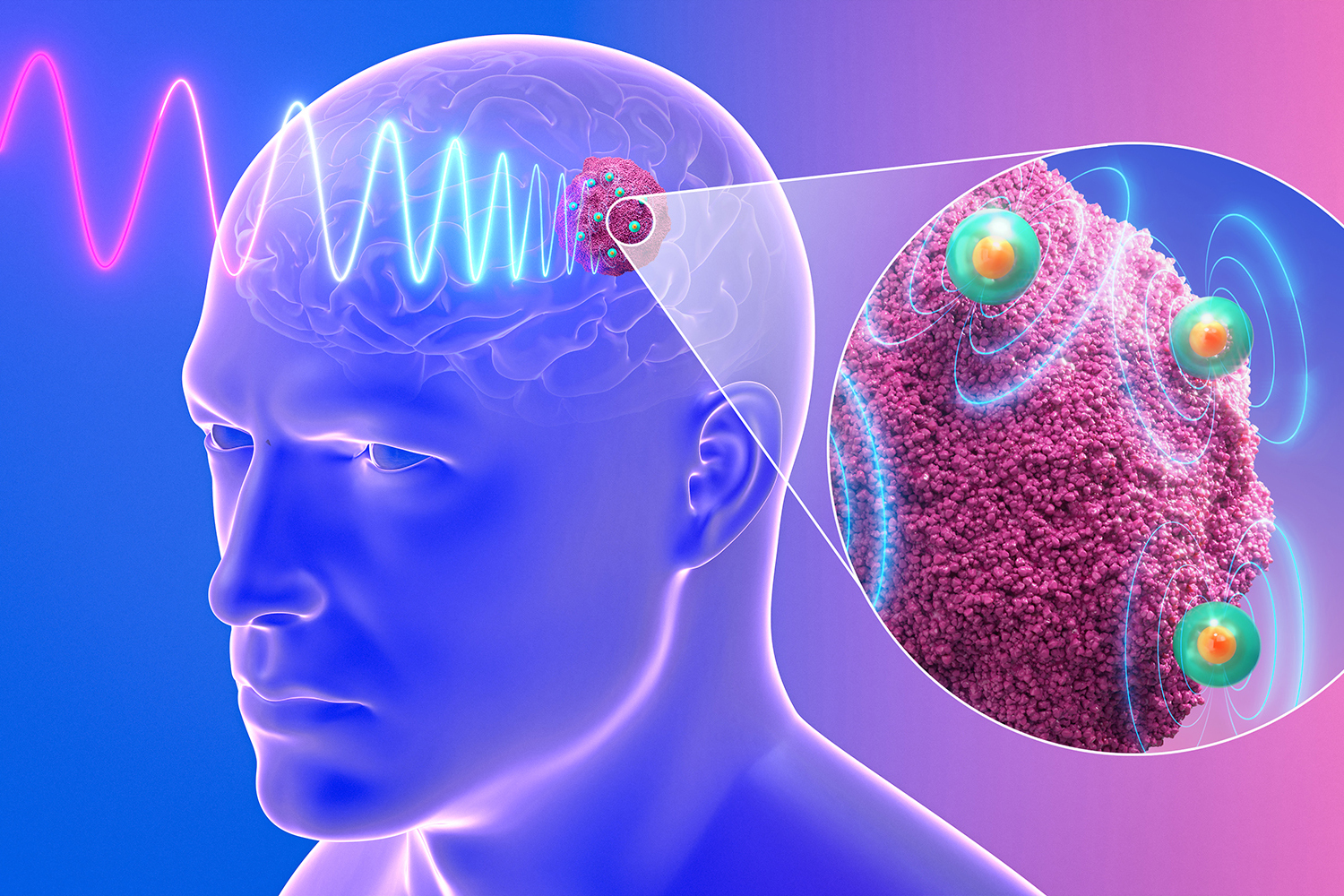
Glioblastoma, a highly aggressive and treatment-resistant brain cancer, carries a median survival of just 12-15 months. Researchers at MIT Media Lab have developed injectable nanoantennas that could provide an effective and precise treatment. These nanoantennas, about one-hundredth the width of a human hair, can be magnetically activated to create localized therapeutic electric fields, targeting and killing brain cancer cells without harming healthy tissue.
Studies in laboratory and animal models have shown that HITMAN, the technology named after its function, significantly reduces tumor growth and extends survival without detectable side effects. The nanoantennas can be activated wirelessly from outside the body using a low-frequency magnetic field, penetrating the skull and brain tissue.
Animal studies revealed that HITMAN eliminated 52.2% of drug-resistant cancer cells, more than five times the effect of standard chemotherapy. This minimally invasive therapy could potentially reduce tumor recurrence and metastasis if translated to clinical use.
Written by urgent.news from MIT News Research's reporting — not their text. Machine-written — may contain errors; check the original before relying on it.