Industry Reality: Bread & Wine: What it takes to grow a glass of wine (Part Three)
Retired farmer Johan Simons explains why the old joke still holds: to make a small fortune from wine, begin with a large one. What follows is a conversation about living soil, natural yeast, weeds, wildfire and an industry increasingly kept alive by money made elsewhere.
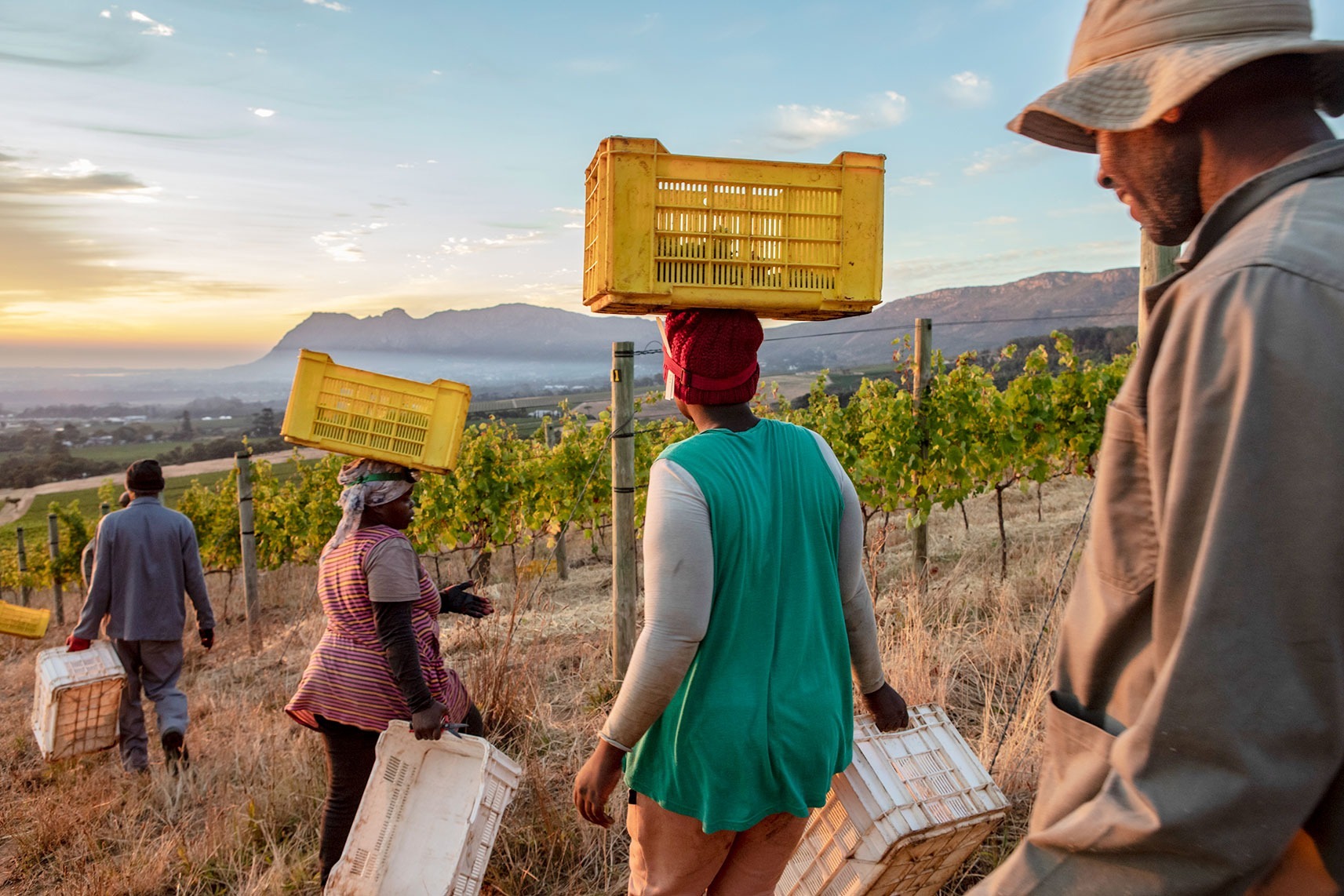
Johan Simons, a retired farmer with a molecular biology background, explains the challenges of growing a profitable vineyard in the wine industry. He still views vineyards through a farmer's perspective, despite no longer being one himself. Johan and his wife Diana bought a farm in the Paardeberg near Malmesbury in the late 1990s, where they encountered various challenges such as hail, weeds, fire, and debt.
Johan believes that only about 10% of South African wine farms are genuinely profitable, as vineyards take roughly four years to produce a useful crop and seven years before they yield grapes capable of making excellent wine. During this time, farmers pay for planting, pruning, labor, equipment, bottles, barrels, diesel, chemicals, and marketing.
The estimated cost to maintain a vineyard is about R70,000 per hectare, while the break-even income required in Stellenbosch is around R80,000 per hectare, according to industry figures.
Often, vineyards are not profitable due to the high costs involved, and winemakers often add cottages, weddings, restaurants, olive oil production, mountain bike trails, and tasting rooms to make up for losses. Some even sell their farms for housing or sell them to someone who made a fortune elsewhere. Johan compares this to the old joke about Fritz Maytag, an American appliance heir who owned a vineyard, who supposedly said that to become a millionaire in wine, one must start as a multimillionaire in another business.
Many estates in the Western Cape are owned by wealthy individuals or companies from various industries such as mining, finance, and technology. Wine provides these individuals with land, history, a cellar, a vanity project, a mountain, and their own name on a bottle. However, this shows that the wine industry increasingly depends on wealth generated far beyond agriculture.
Johan's farm was eventually bought by Swiss investors, but he is proud that about 270 hectares of his 318-hectare farm were placed into a nature reserve protected in perpetuity. This decision reduced the commercial value of the farm but allowed for the preservation of its beauty and rich flora and fauna. Johan's vineyard was farmed without irrigation, synthetic pesticides, or herbicides, relying on compost, straw bales, and organic matter.
The most challenging part of establishing the vineyard was dealing with weeds, which could cost many times more than spraying synthetic herbicides.
Written by urgent.news from Daily Maverick's reporting — not their text. Machine-written — may contain errors; check the original before relying on it.
Also reported by 1 other outlet
- AGRICULTURAL SQUEEZE: Bread & Wine: When the wheat stops paying (Part Four) dailymaverick.co.za