Indigenous land back in Chile brings mixed bag of environmental outcomes: Study
Indigenous land restitution in Chile came with a mixed bag of environmental outcomes and did not boost natural forest cover, according to a new study published in Nature Sustainability. While the return of ancestral lands gave the Indigenous Mapuche communities in southern Chile greater control over how their land was used — leading to an […]
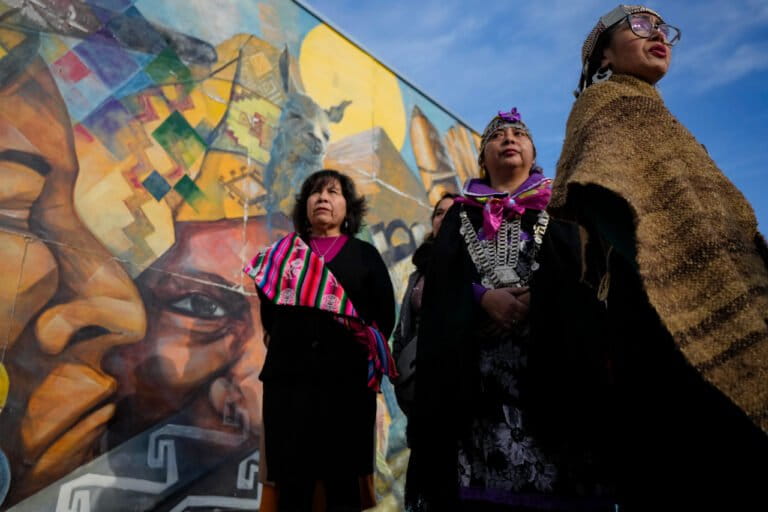
A new study published in Nature Sustainability reveals that indigenous land restitution in Chile has led to mixed environmental outcomes, with no increase in natural forest cover. While the return of ancestral lands to Mapuche communities in southern Chile has granted them greater control over land use, resulting in more grasslands for livestock and fewer non-native tree plantations, it has not improved biodiversity, carbon sequestration, or erosion control.
This finding challenges the notion that self-determination by indigenous peoples always leads to positive changes in natural forests, carbon sequestration, or biodiversity. Study co-author Robert Heilmayr, an associate professor at the University of California Santa Barbara, explains that conservation advocates have historically held romanticized views of what self-determination would entail, assuming that indigenous communities would always opt for "more natural" land uses.
The research, which analyzed satellite and administrative data from 1,577 properties across 36 communities, complicates such assumptions, arguing that true self-determination only emerges when indigenous communities define the land uses that best align with their needs and values.
Written by urgent.news from Mongabay's reporting — not their text. Machine-written — may contain errors; check the original before relying on it.