India seeks payment-system links in every FTA, Commerce Secy says: Report
India aims to link its payment systems with trading partners in new agreements. This strategy seeks to make cross-border payments faster and significantly cheaper for users. The Unified Payments Interface is a key digital public infrastructure for this expansion. India's diaspora remittances are a major focus for cost reduction efforts. The nation is leveraging its fintech experience to export…
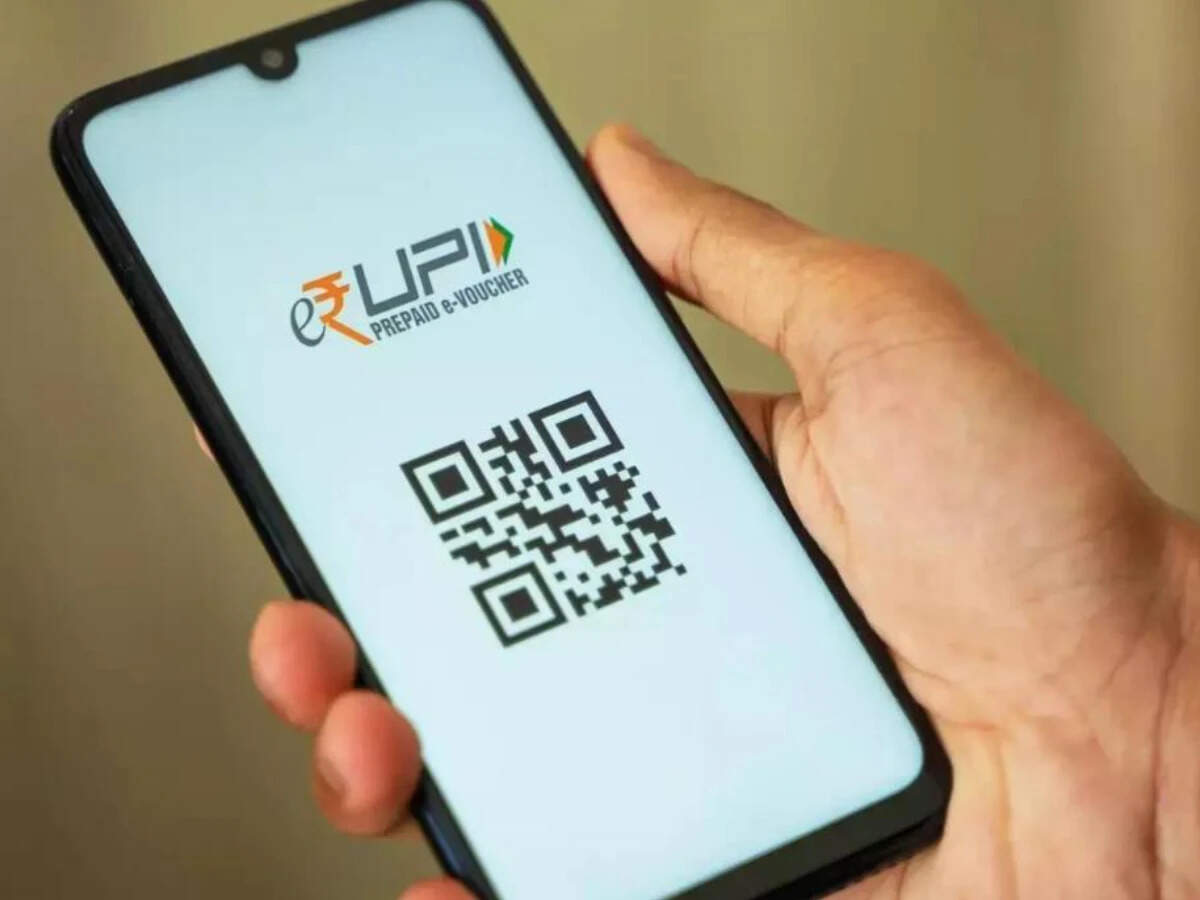
India is seeking to integrate its payment systems with those of its trading partners in every free trade agreement it negotiates, according to Commerce Secretary Rajesh Agrawal. The aim is to make cross-border payments faster and cheaper, Bloomberg reported. Agrawal made the remarks at the Global Fintech Fest in Mumbai, stating that discussions on harmonizing payment systems are part of every trade negotiation, particularly with countries that have a significant Indian diaspora.
This approach to payment-system interoperability has been incorporated into recent trade agreements with the European Union and New Zealand, although it has not been publicly outlined before. Prime Minister Narendra Modi recently announced plans to link India's Unified Payments Interface with countries where the Indian diaspora resides, currently live in 11 countries but with expansion goals.
Agrawal emphasized that India should leverage its experience in building fintech solutions at scale to become a major exporter of digital financial services. He noted that countries in Asia, Africa, and Latin America share similar challenges, such as large informal sectors, reliance on cash, and limited access to financial services outside urban areas.
Indian fintech companies should collaborate with local institutions and entrepreneurs to develop solutions tailored to each market, rather than merely exporting Indian products.
The country receives over $125 billion in remittances annually, with over 35 million Indians sending money abroad. Agrawal highlighted that reducing transaction costs from 6% to 3% for migrant workers could result in an additional $5 billion in their pockets. He also identified digital lending, insurance, wealth management, investment services, and trade finance as potential areas for Indian fintech companies to explore.
India's transition from a cash-based economy to a digital one has created an experience that could be adapted for other countries, particularly in the Global South. Agrawal stressed that India's free trade agreements, digital public infrastructure, and fintech hubs can serve as gateways to provide financial services overseas.
Written by urgent.news from The Economic Times - Economy's reporting — not their text. Machine-written — may contain errors; check the original before relying on it.