Im Spätsommer und Herbst: Wildwechsel: Wie Autofahrer die Unfallgefahr minimieren
Wildschweine, Hirsche und Rehe kreuzen das ganze Jahr über Straßen. Doch im Spätsommer und Herbst steigt die Unfallgefahr. Warum eigentlich? Und was hilft, Unfälle durch Wildwechsel zu verhindern?
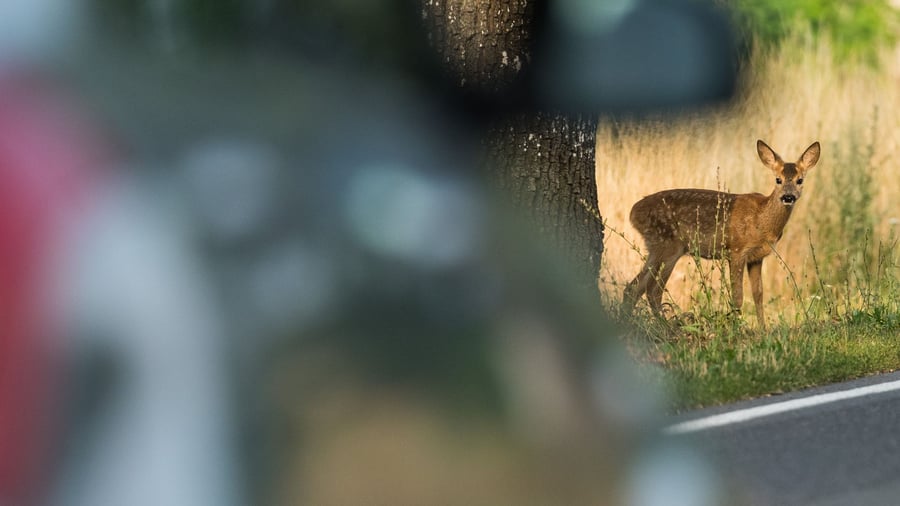
As summer and autumn progress, drivers must expect to encounter more wildlife crossings on roads running through fields, meadows, and forests. During this time, the risk of collisions with wild animals such as wild boar, deer, or roe deer increases significantly. To avoid accidents, drivers should pay attention to various signals, such as warning signs: a red triangle with a jumping deer indicates areas where wild animals frequently cross the road.
Drivers should always observe carefully and maintain a state of readiness, especially at marked locations, but also in unobstructed meadows and forest edges. Reducing speed, watching for oncoming traffic, and being prepared to brake are recommended by the Auto Club Europa (ACE). In addition to warning signs, other indirect indicators of increased wild animal presence include high spots on the road shoulder, fencing, and wild animal warning reflectors.
The risk is highest during early morning and evening hours when dusk-active wild animals are on the roads at the same time as commuting workers. The ADAC notes that encounters with wild animals are most likely during early morning and evening hours. Moreover, in the harvesting season, loud agricultural machinery can startle wild animals.
Therefore, drivers should be particularly cautious on fields that have just been harvested. Tall maize or grain plants adjacent to the road can also obstruct visibility, so drivers should expect wild animals to suddenly appear on the road in densely vegetated roadside areas. Reduced visibility from low sun and slippery road conditions further increase risks.
In addition, the mating seasons of wildlife play a role. While roe deer have their mating season in the summer, deer mating lasts from September until the end of October, and wild boars from November until January. During this time, wild animals react more unpredictably when confronted with a vehicle. If a wild animal suddenly appears, it's crucial to remember that they cannot accurately judge the speed or distance of a vehicle.
In such a situation, blowing the horn might deter the animal from crossing the road. Turning off high beams is essential, as bright headlights can disorient wildlife. In case of an unexpected encounter, the ACE advises maintaining a controlled full stop while keeping the steering wheel firmly in place, rather than attempting a risky maneuver that could result in collisions with oncoming traffic or trees.
It's important to remember that encountering one wild animal often means more are nearby, as roe deer, wild boar, and deer rarely travel alone.
Written by urgent.news from Handelsblatt's reporting — not their text. Machine-written — may contain errors; check the original before relying on it.