I Made Two AI Sisters the Face of My Indie App So I Wouldn’t Have to Show Mine
A solo developer used Seedance, FFmpeg, and real screen recordings to give Amana two AI spokespersons without letting the model fake its UI.
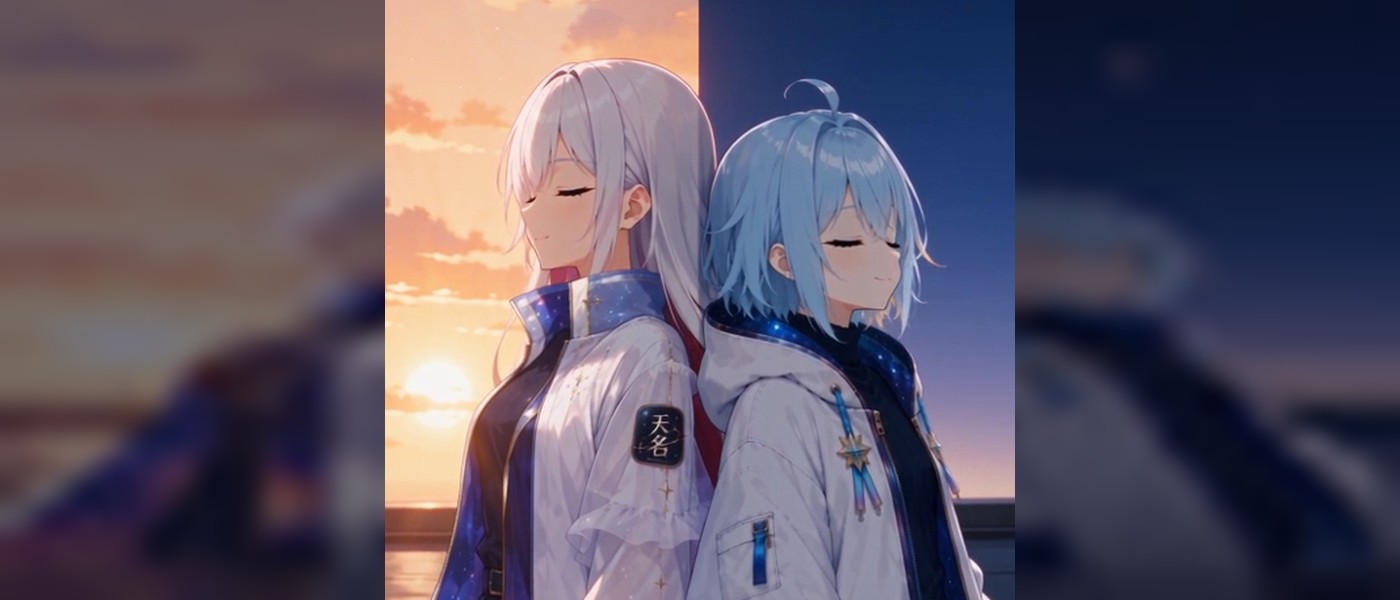
In 2026, Amana, a solo-developer iOS application, debuted on the RevenueCat platform, offering users the ability to name the sky outside their window using their location and the sun's position. However, the app faced a challenge post-launch: it lacked a recognizable face. To address this, creator Amana introduced two AI-generated spokespersons, Akane and Kahatare, representing dusk and the pre-dawn hours respectively.
These sisters, named after old Japanese words for twilight, were designed to symbolize the hours when faces blur, hence never appearing together under the same sky.
Each sister was generated from a set of eight or nine reference images, with every generation being unique and explicitly stated as AI-created. Production costs for videos varied by resolution: 480p at 10 credits per second, 720p at 20, and 1080p at 30. A 30-second clip at 720p cost 600 credits, which Amana had to manage within a monthly grant of 1,600 credits. An initial miscalculation led to unintentional expenses, but subsequent planning avoided such pitfalls.
To create the app's promotional materials, including a 21-second music video for its theme song, Amana utilized Seedance 2.5 through seevio.ai. The process involved describing the visual elements, such as the sisters' positions and the sky's colors, without mentioning UI elements or text. Despite facing some challenges with prompt interpretations, such as the sisters' heights and their hands, Amana established concrete spatial relationships that the model consistently adhered to, resulting in the desired visual composition.
Written by urgent.news from HackerNoon's reporting — not their text. Machine-written — may contain errors; check the original before relying on it.