Huawei Watch D3 pumps up its health-monitoring credentials
Inflatable wrist cuff delivers 24-hour blood pressure readings, though the design remains chunky
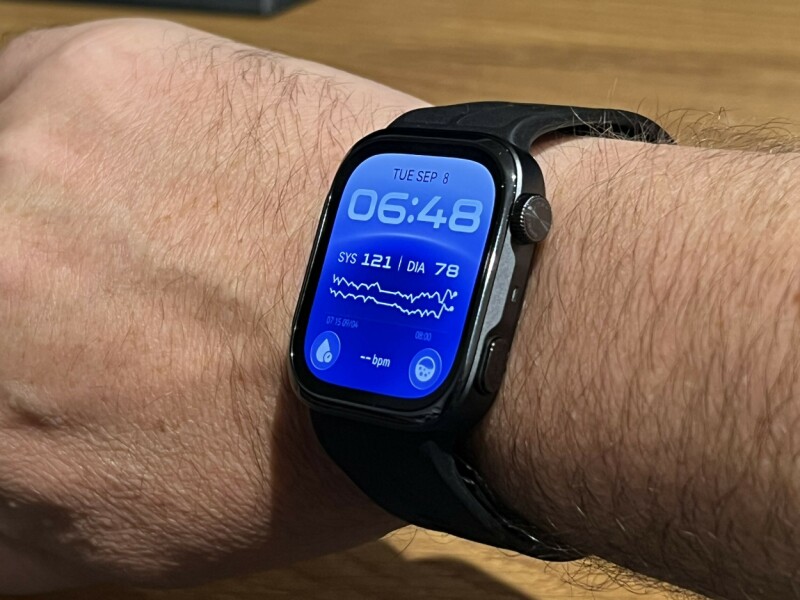
Huawei has introduced the third generation of its blood pressure-measuring wearable, the Watch D3, as it pushes forward in the cuff-based technology market. Unlike many smartwatches that use optical technology to estimate blood pressure, the D3 employs a pump and an inflatable airbag within the strap, making it a more credible option for blood pressure readings.
This device is CE-certified as a medical device under the EU Medical Device Regulation (MDR), indicating its credibility in the healthcare sector. The D3 is heavier and thicker than other wearables, weighing 40 grams and measuring 11.3 millimeters in thickness, but it has been refined from its predecessors to feel less like clinical equipment.
It includes features such as ambulatory blood pressure monitoring, which takes readings over a 24-hour period, and reminders for measurements before and after exercise. The device also supports sharing of health information with family members through Huawei's Health Community feature. Despite its size and chunky appearance, the D3 is less obtrusive compared to its predecessor, the D2.
However, its design and bulky appearance may still be a drawback for some users. The watch's battery life is approximately five days under typical use, though it drops to about one day with the ABPM feature enabled. The water resistance rating is IP68, but it is not recommended for shower use or swimming, especially during blood pressure measurements. The device is priced at £399.99 and will be available in the UK starting September 23.
Written by urgent.news from The Register's reporting — not their text. Machine-written — may contain errors; check the original before relying on it.
This story
This is one outlet's version. Read the fullest account.
- Huawei Watch D3 pumps up its health-monitoring credentials theregister.com