How to enhance ocean health and resilience with marine rewilding
Ocean ecosystems are under extreme stress on several fronts including overfishing, ocean acidification, climate change and marine warming. While ocean conservation efforts often tend to focus on creating marine protected areas, researchers recently stressed the need to move beyond protection toward active recovery using a different approach: Marine rewilding. In a new perspective paper, the […]
Ocean ecosystems are under immense strain from factors such as overfishing, ocean acidification, climate change, and warming waters. While existing conservation efforts typically focus on establishing marine protected areas, researchers argue for a more proactive approach known as marine rewilding. A new perspective paper outlines eight key principles to guide this process.
One crucial principle is that people cannot be excluded from the rewilding process within marine ecosystems, according to Gavin Stark, a post-doctoral researcher at the German Centre for Integrative Biodiversity Research. Stark emphasized, "You cannot really separate people from the rewilding process inside the marine ecosystems."
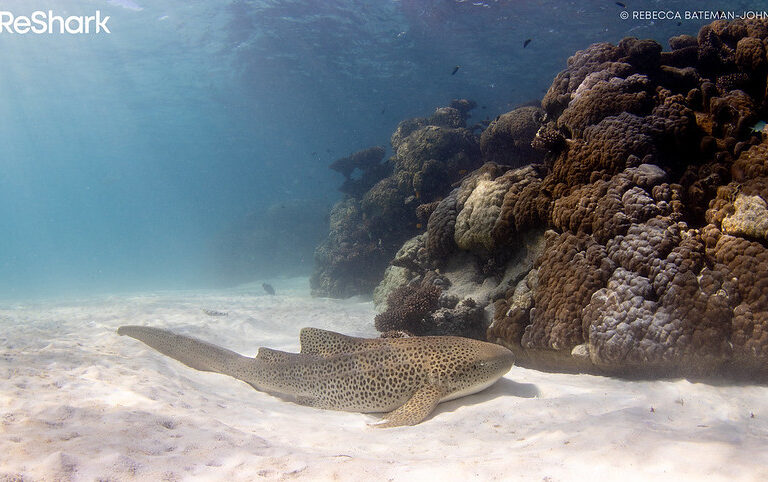
He shared an example of a 2024 project where eggs of the endangered Indo-Pacific leopard shark were raised in an aquarium in Las Vegas and later released into the protected waters of Raja Ampat, Indonesia. The goal of this initiative is to restore balance to the region's coral reef ecosystem.
Another important aspect of marine rewilding is the restoration of food webs, which may involve reintroducing top predators like sharks. The authors highlight strengthening connectivity between ecosystems as another pillar of this approach. By focusing on these principles, marine rewilding aims to create resilient, self-sustaining ecosystems with minimal human intervention, moving beyond mere protection to active recovery.
Written by urgent.news from Mongabay's reporting — not their text. Machine-written — may contain errors; check the original before relying on it.