Greater Noida plans separate routes for freight and passenger traffic. Here’s why
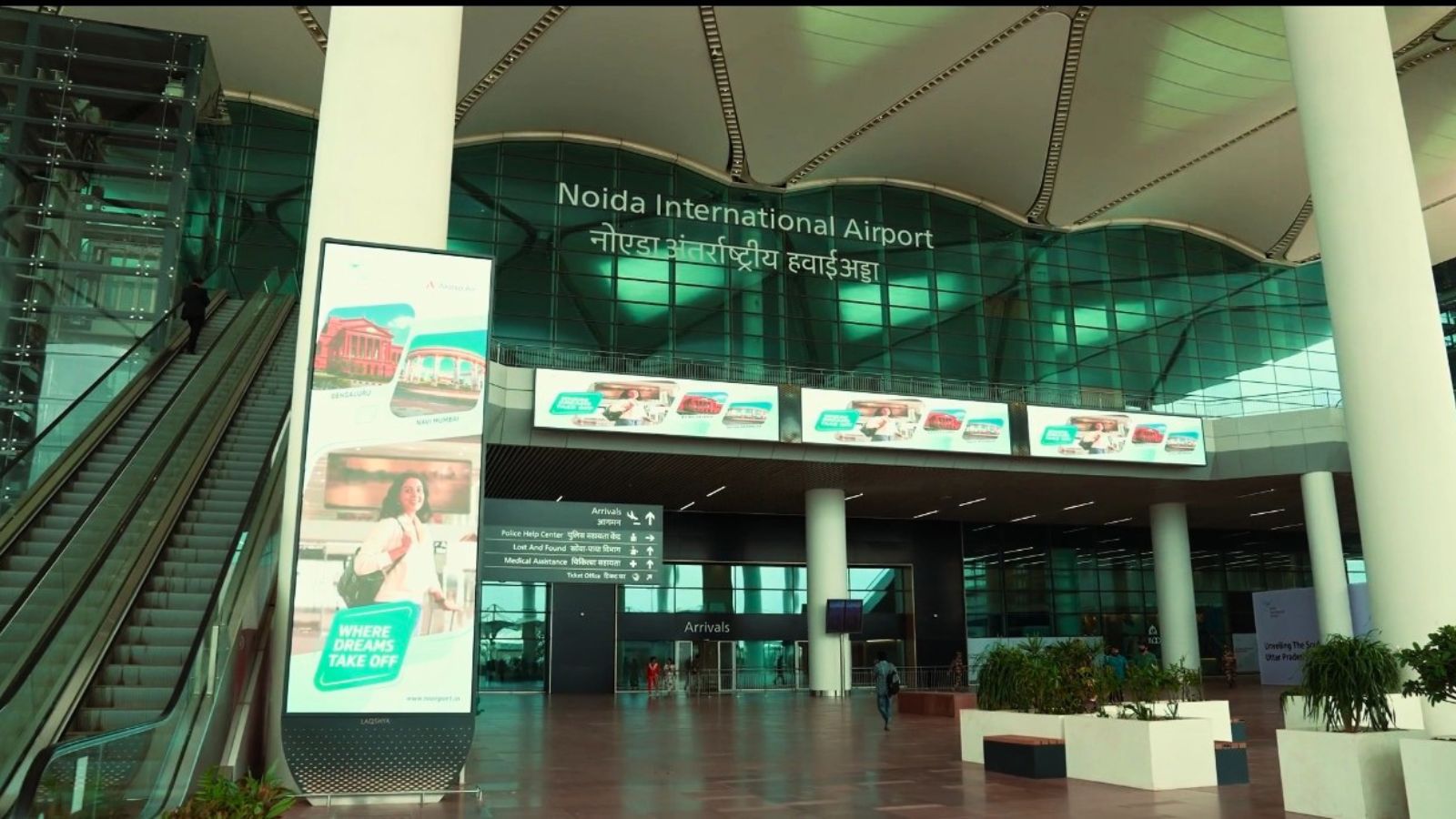
Greater Noida is considering separating freight and passenger traffic routes as the region's population and industrial growth increases. The Noida International Airport at Jewar, which has recently opened, is expected to contribute to this demand. The Greater Noida Industrial Development Authority (GNIDA) is contemplating changes to its Master Plan 2041 to accommodate the anticipated growth in traffic.
A key proposal is a 105-metre-wide elevated road that will connect to the Hapur bypass and extend approximately 15 km towards the Ganga Expressway. This new route aims to cut the distance between Greater Noida and the Ganga Expressway to a manageable 30-45 minutes. Additionally, GNIDA is planning a six-lane elevated road that will link the Multi-Modal Logistics Hub (MMLH) to Jewar airport's cargo terminal.
The proposed road will parallel the Western Dedicated Freight Corridor, allowing goods to move between the logistics hub and airport independently of passenger and general traffic routes.
Two major projects are driving this need for separate routes: the 849-acre Multi-Modal Logistics Hub (MMLH), serving as a dry port, and the 360-acre Multi-Modal Transport Hub (MMTH) near Boraki Railway Station. The MMLH is primarily focused on freight, with connections to major roads and dedicated freight corridors. Conversely, the MMTH is primarily for passengers, integrating interstate and local bus services along with rail, road, and MRTS links.
GNIDA's proposal is based on the understanding that freight and passenger traffic would benefit from dedicated infrastructure rather than competing for the same road space. With the region already linked to major transport corridors like the Yamuna Expressway, Eastern Peripheral Expressway, and Dedicated Freight Corridors, the new Ganga Expressway connection would provide an additional regional link.
The ultimate goal is to distribute the anticipated surge in traffic, especially commercial vehicles, more effectively to prevent congestion on roads used by passengers.
Written by urgent.news from The Indian Express's reporting — not their text. Machine-written — may contain errors; check the original before relying on it.
This story
This is one outlet's version. Read the fullest account.