Four in Five Researchers Report Harmful Interactions During Geoscience Fieldwork. A New Survey Suggests a Path Forward.
A new survey documents the prevalence of harmful interactions that occur during fieldwork. Many instances go officially unreported.
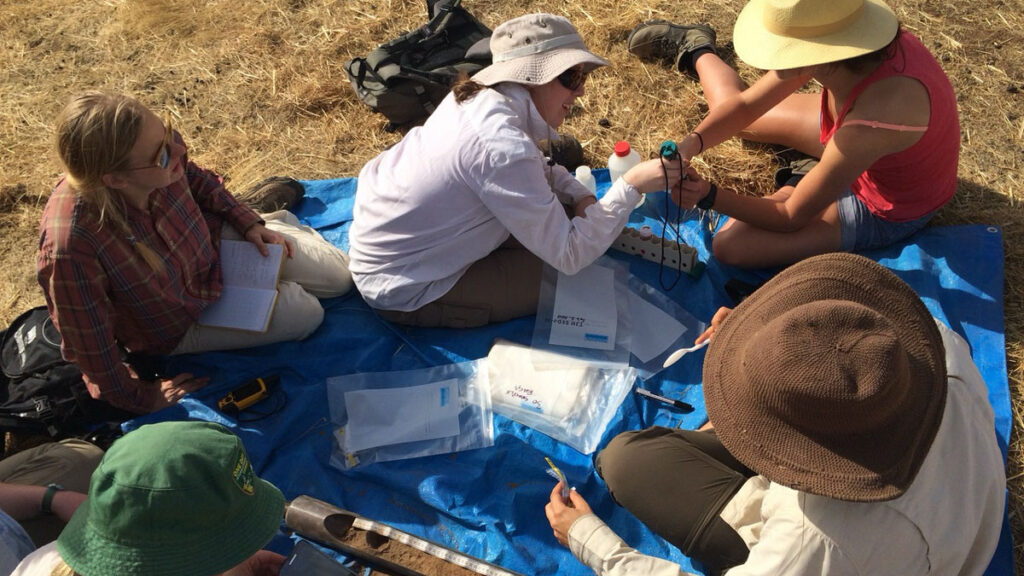
Geoscience fieldwork is crucial for observing and collecting data about Earth processes, but it can also expose researchers to harmful interactions. A new survey reveals that four out of five geoscience researchers have experienced such interactions during fieldwork, despite the National Science Foundation's safety guidelines. Researchers conducted an anonymous survey of 289 AGU members, asking about the frequency and types of harmful behaviors, as well as reasons for unreported incidents.
The most impactful behaviors were those related to professional conduct, such as gatekeeping, sabotage, and devaluation of work. Women and nonbinary researchers were particularly affected. Career stage also played a role, with early-career researchers facing more incidents, such as uncomfortable sleeping situations and pressure to drink alcohol.
Seventy-five percent of the most impactful instances went unreported, indicating the need for improved safety training, enforced codes of conduct, and independent reporting pathways to ensure geoscience fieldwork is safe and fair for all participants.
Written by urgent.news from Eos's reporting — not their text. Machine-written — may contain errors; check the original before relying on it.