Everyday Recycling Mistakes You're Making—And What You Should Do Instead
It's actually okay to recycle that greasy pizza box.
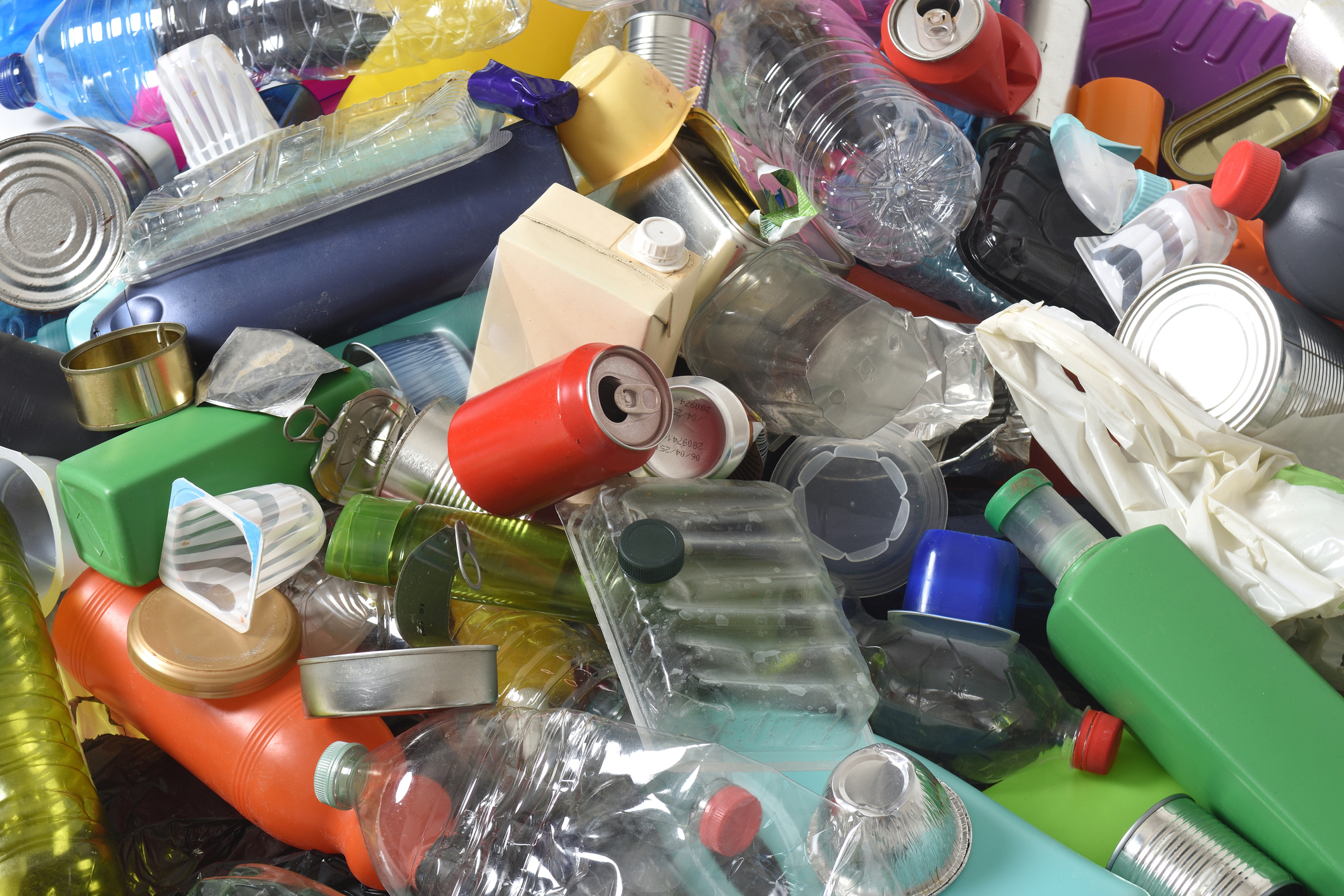
Recycling can feel overwhelming, but it remains an effective environmental action when executed correctly. However, public confidence in recycling systems is declining. While 87% of Americans consider recycling crucial, only about 32% of household waste is recycled or composted, based on 2025 data. Many Americans believe recycling has become harder over the past four years.
Despite this, recycling is vital and makes a difference. Recycled materials help reduce the extraction of natural resources like timber and aluminum. "It's a really low-hanging fruit of something that you can do that does have a difference," explains Shelie Miller, a professor at the University of Michigan.
The complexity of recycling stems from varying rules across regions. Different recycling facilities employ distinct equipment, leading to different recycling guidelines. Seven states, including California, Maryland, and Maine, have implemented Extended Producer Responsibility laws to standardize recycling practices across the state. In the meantime, experts recommend focusing on recyclable items like bottles, cans, containers, and paper or cardboard. These are generally easy to recycle.
Avoid certain items such as plastic bags, batteries, and trash bags for your recycling. Plastic products often have a recycling symbol with a number, but this doesn't guarantee recyclability. Most places accept plastics 1 and 2, commonly used in soda bottles or detergent containers. Some areas may accept plastics 4 and 5, such as yogurt containers or plastic straws. Unfortunately, many other plastics are not recyclable and can contaminate the recycling process.
A common misconception is that greasy pizza boxes can be recycled. While a small amount of food residue is acceptable, it's best to avoid recycling items that a raccoon might still want to eat from. Compostable items, like a compostable cup, are not recyclable and require special facilities. "Wish-cycling," or putting items in the recycling bin in the hope they're recyclable, is a major issue.
It can harm the recycling system by causing contamination and increasing costs. To improve the system, reduce and reuse before recycling. Opt for reusable bags and containers, and consider local zero-waste stores. Every decision we make impacts the recycling system, and choosing the right option can make a significant difference.
Written by urgent.news from Time's reporting — not their text. Machine-written — may contain errors; check the original before relying on it.