Energie: Angriffe im Nahen Osten treiben Rohölpreis über 100 Dollar
An der Straße von Hormus gibt es neue Angriffe, die wichtige Öl-Transportroute bleibt umkämpft. Das hat Folgen weit über die Region hinaus.
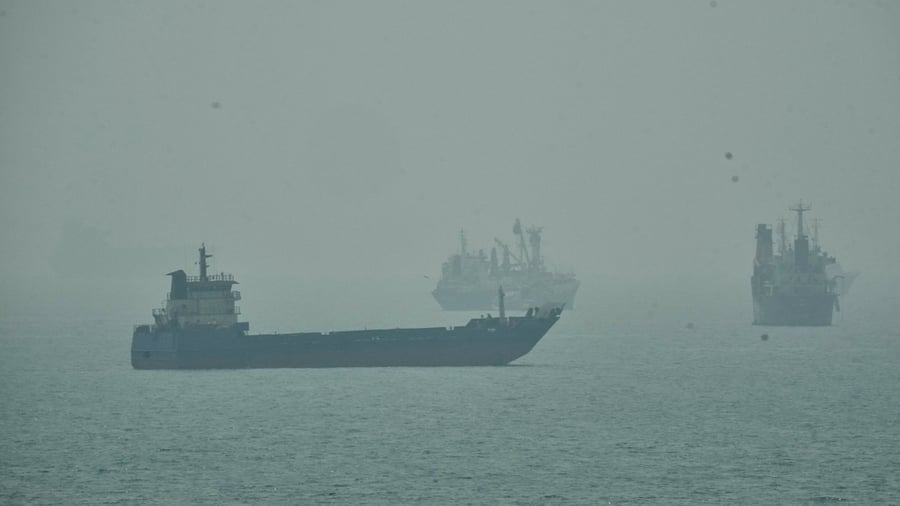
The price of reference Brent crude oil again soared above 100 US dollars per barrel on Wednesday, driven by further retaliatory strikes between the United States and Iran targeting a vital oil transport route through the Strait of Hormuz. As the price of crude oil rises, fueling and heating with oil and gas also tends to become more expensive. A high oil price also influences the overall price development, as the commodity is a major cost factor for the entire economy.
The conflict between the US and Iran over control of the Strait of Hormuz escalated once again in the night before. The US military destroyed, according to its own reports, five Iranian crude oil tankers and sank one of them in retaliation for Tehran's attacks on a US warship. Iran's Revolutionary Guard responded promptly with "heavy rocket attacks" on the kingdom of Jordan, allied with the US.
According to Jordan's state news agency Petra, the army launched 20 ballistic missiles. Additionally, the Revolutionary Guard attacked several ships in the region of the Strait of Hormuz again.
The Brent price last peaked at 126 dollars in mid-July, although it is still far from the annual high of around 126 dollars reached at the end of April. Then, the beginning of the Iran war by the US and Israel had driven the price up sharply. The Strait of Hormuz has become the central point of contention between Washington and Tehran during the recent Iran war: Iran continues to block traffic through the strategically significant sea channel with threats and attacks on ships to this day.
The narrowest point of the Strait of Hormuz is still largely open. Major oil-producing countries such as Iran, Saudi Arabia, Iraq, Kuwait, Qatar, Bahrain, and the United Arab Emirates lie in the Persian Gulf. Before the war, the sea route was open, and a fifth of the world's oil shipments passed through it daily.
Written by urgent.news from Handelsblatt's reporting — not their text. Machine-written — may contain errors; check the original before relying on it.
This story
This is one outlet's version. Read the fullest account.