El Nino effect: Monsoon deficit hits 15%; Key pulses and oilseeds at risk
India's monsoon rainfall deficit stands at fifteen percent, impacting nearly half of its districts. This shortage threatens summer-sown crops like pulses and soybeans, potentially reducing yields. Several states are implementing water rationing measures to conserve resources for winter crops. High temperatures are exacerbating the moisture deficit across key agricultural regions.
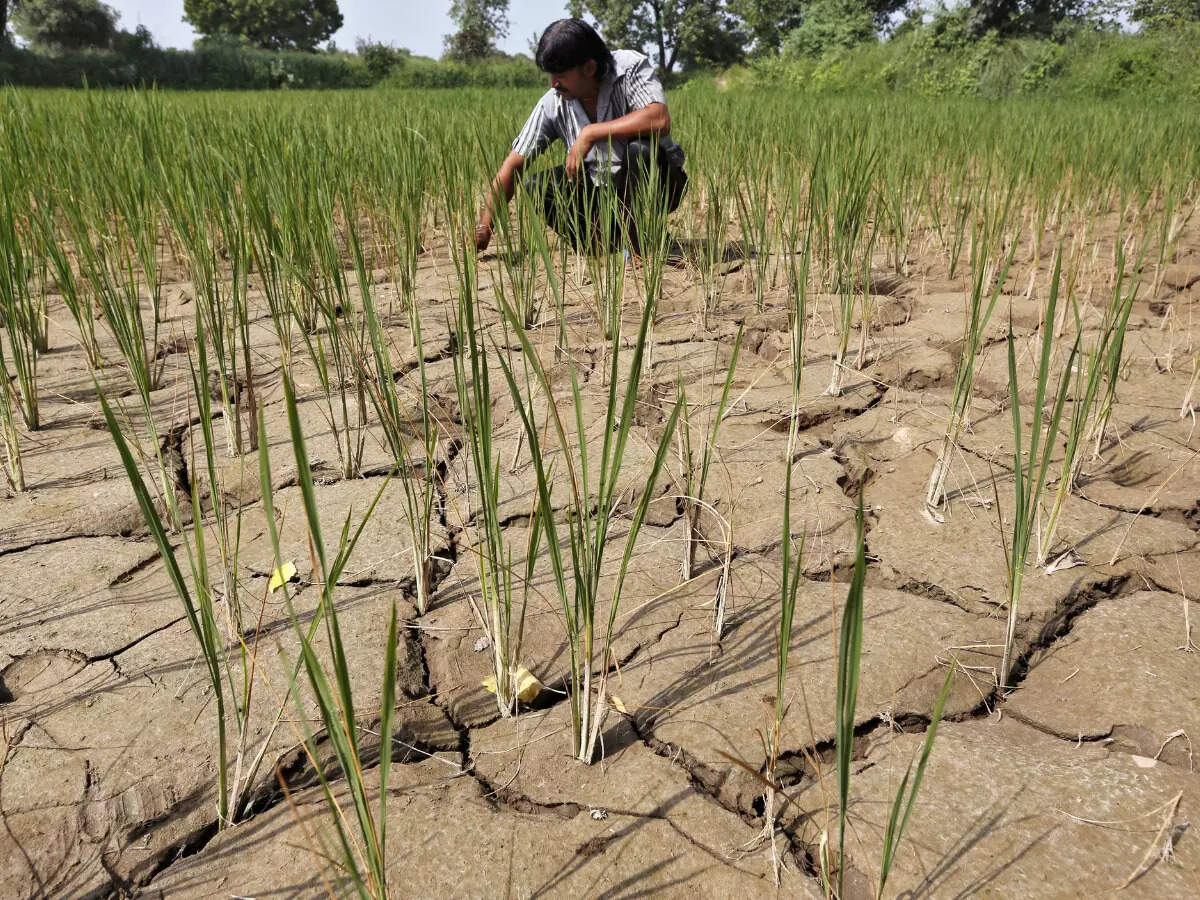
The ongoing El Nino weather phenomenon has led to a 15% cumulative rainfall deficit this monsoon season, raising concerns about the impact on key summer-sown crops across India. Nearly half of the districts are experiencing below-average precipitation, prompting states to ration water and ration use to minimize shrinkage in rabi output.
Agricultural experts warn that the rain shortage could significantly affect yields of pulses like tur and urad, as well as soybean, the primary oilseed crop of the kharif season. The acute moisture deficit across primary rainfed belts poses an immediate threat to the Kharif balance sheet, potentially causing a 8% reduction in overall grain production compared to last year.
States like Karnataka and Maharashtra are facing severe consequences, with Karnataka declaring drought in over 100 talukas and Maharashtra urging farmers to adopt low water requirement crops in the upcoming rabi season. North Indian states like Punjab, Haryana, and Rajasthan have been asked to reduce water usage, while Maharashtra's agriculture department has been asked to examine crops affected by the moisture deficit.
Experts predict that yield of vital crops such as pigeon pea, black matpe, and soybean could contract between 10% and 20%.
Written by urgent.news from The Economic Times - Economy's reporting — not their text. Machine-written — may contain errors; check the original before relying on it.