Einzelhandel: Heiße Theken und Imbisse in Geschäften boomen
Die klassische Gastronomie steckt vielerorts in der Krise und verliert Gäste. Gegessen wird trotzdem. Viele Menschen kaufen sich ihre Mahlzeiten zunehmend woanders, etwa beim Wocheneinkauf.
In recent years, Germany's retail food sector has seen a significant boom in ready-made meals and snacks offered within stores, according to a report from the Handelsforschungsinstitut EHI. This trend is driven by relatively low prices and higher customer frequency, leading to record-breaking sales. In 2025, German retailers generated approximately 13.3 billion euros from these ventures, marking a 7.1% increase from the previous year and the highest figure ever recorded. Over the past decade, sales have risen by nearly 33%.
The primary drivers behind this surge are increased customer visits and higher prices, as reported by the EHI study, which surveyed 29 businesses with nearly 6,100 locations. Retail food encompasses ready-to-serve dishes, snacks, and beverages available in various store formats, including bakeries, cafes, delis, and more, primarily designed for takeaway.
Popular menu items include fried chicken legs, currywurst, sausages with mustard and chips, and schnitzel. The main course, lunch, is particularly successful in this sector.
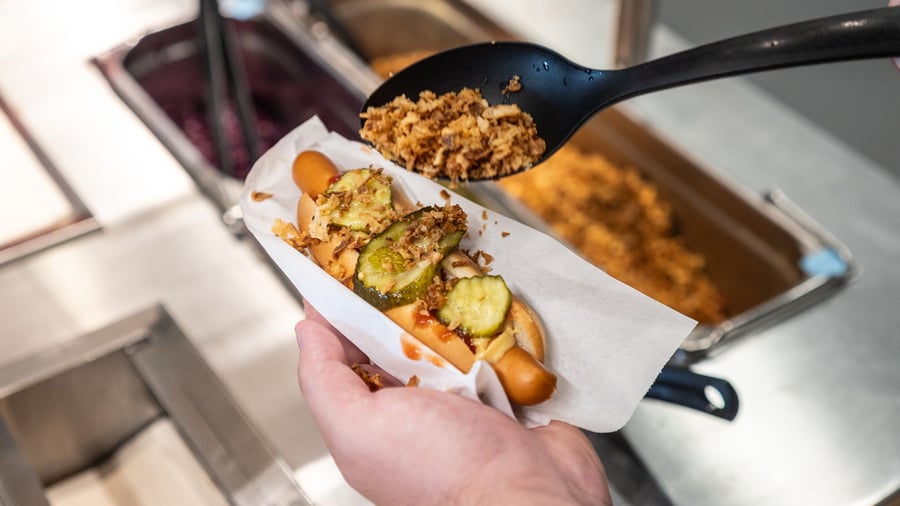
Nearly 75% of retailers manage their own food areas, with the IKEA chain offering hot dogs near payment counters, generating over 20 million units annually in German stores. Many supermarkets now feature salad bars and Asian food shops, and some even have self-service counters for hot meals, as seen in over 100 Rewe stores. Other entrepreneurs have introduced food trucks, while some are testing kitchen robots.
Globus, a major supermarket chain, sells schnitzel rolls for a euro at their hot counters, producing 30 million units per year.
The EHI study attributes this growth to a "trading-down effect," where consumers opt for cheaper options due to rising prices in both retail and restaurant sectors. YouGov data shows that customers paid around 9.17 euros on average for steak and meat dishes in the first half of 2026, compared to 13.16 euros in non-retail restaurants.
Past dishes cost 5.87 euros, and other main courses ranged between 5.87 and 13.16 euros. Despite these price differences, the catering industry has faced significant pressure, with retail food sales reportedly rising by 15% year-on-year in 2019. Real sales, however, decreased by 23% when adjusted for inflation. Restaurant visits are becoming more expensive for many consumers, who are now weighing their options and considering whether dining out is necessary, according to YouGov market researcher Sebastian Walter.
The retail food sector offers attractive alternatives, especially for those who cannot afford traditional restaurant visits. The increasing demand is attributed to the expansion of food offerings by many retailers, aiming to boost customer frequency and retain them within their stores.
Written by urgent.news from Handelsblatt's reporting — not their text. Machine-written — may contain errors; check the original before relying on it.