Coordinated attacks on energy infrastructure could cause major regional outages in Germany, expert tells The Insider
Deliberate attacks on Germany’s power system could lead to significant and prolonged electricity outages in individual regions, but causing a long-lasting nationwide blackout would be far more difficult, Prof. Dr.-Ing. Martin Braun, Director of the Fraunhofer Institute for Energy Economics and Energy System Technology (Fraunhofer IEE), and Professor of Sustainable Electrical Energy Systems at the…
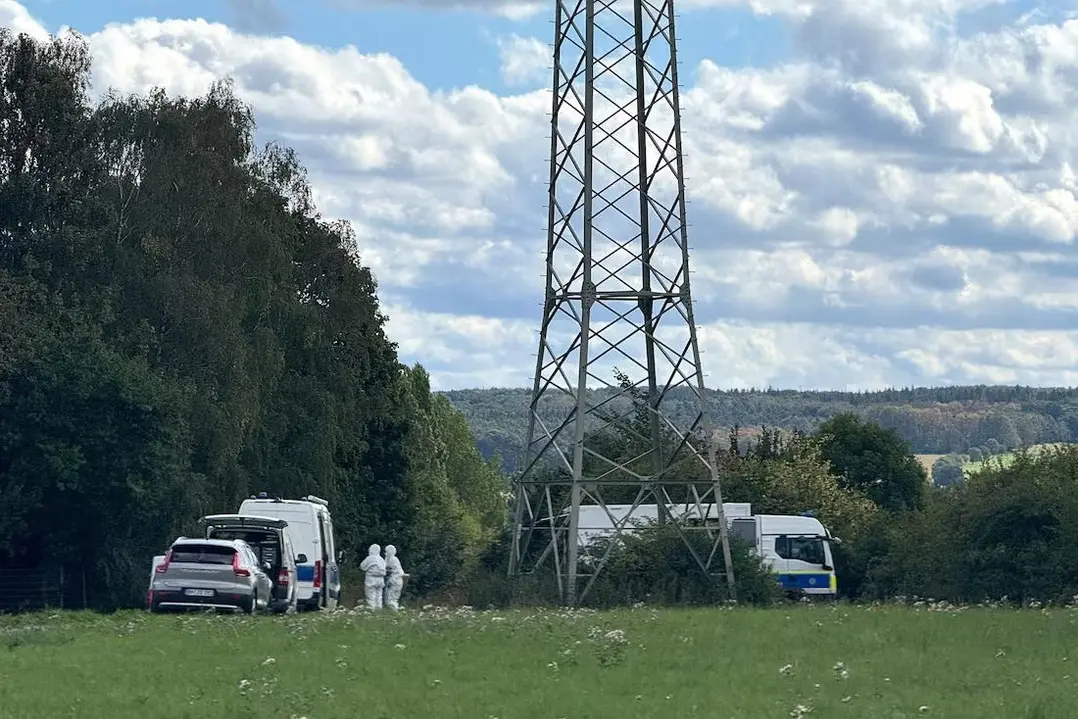
Germany's power grid is engineered to withstand the loss of a single critical component, a principle referred to as the N-1 criterion. This design ensures the system's continued safe operation even after the failure of one significant element. The backup mechanisms, protection systems, and interconnections within the grid serve to maintain stability in the face of such disruptions.
However, the prospect of a nationwide blackout due to deliberate attacks on the energy infrastructure remains a complex challenge. Achieving such an event would demand simultaneous failures across multiple components, coupled with the ineffectiveness of the grid's protective systems and response measures. While experts agree that a prolonged regional power outage is a plausible consequence of targeted sabotage, the scale and execution required to bring about a nationwide blackout would be substantially greater.
Germany has a history of experiencing localized power outages resulting from acts of sabotage. In January 2023, an arson attack on cables near a power plant in Berlin left approximately 45,400 households and 2,200 commercial customers without electricity for four days. This incident underscores the vulnerability of the energy infrastructure to such activities, prompting the German government to bolster its cybersecurity measures in response to the escalating threats.
Written by urgent.news from The Insider's reporting — not their text. Machine-written — may contain errors; check the original before relying on it.