Congo’s Ebola Crisis Spurs IMF to Consider Pandemic Financing Reforms
The International Monetary Fund is considering making pandemic preparedness reforms part of its financing program for the Democratic Republic of Congo, as the country’s worsening Ebola epidemic exposes weaknesses in how it funds and responds to health emergencies.

The International Monetary Fund (IMF) is contemplating incorporating pandemic preparedness reforms into its financing program for the Democratic Republic of Congo (DRC), following the worsening Ebola epidemic in the country. The DRC's ongoing Ebola crisis has highlighted the need for stronger preparedness and more effective financing and coordination for future health emergencies, the IMF said in a report released on Tuesday.
The lender cited recurring outbreaks of diseases such as Ebola, cholera, measles, and others in the DRC. Congo is collaborating with the World Health Organization (WHO) and the World Bank to develop a strategy for financing pandemic prevention and response. The IMF noted that public health shocks in the DRC are recurrent rather than exceptional.
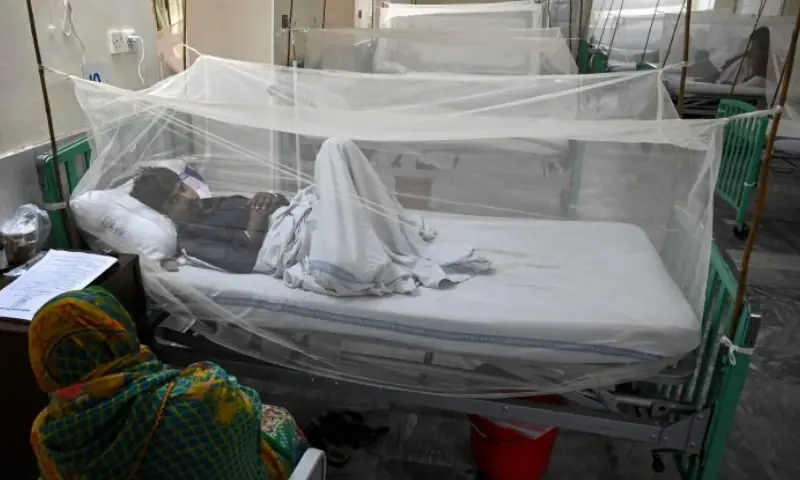
Without bolstered preparedness and improved financing, future health crises could jeopardize macroeconomic stability. As of September 6, the Ebola outbreak had claimed 6,686 confirmed infections and 3,226 deaths across six provinces in the DRC. The epidemic remains uncontrolled, with transmission rates accelerating in some areas while slowing down in others.
The DRC and its partners now estimate that they require $1.3 billion over the next six months to contain the outbreak. To achieve this, treatment capacity must more than double to approximately 3,000 beds by the end of October, necessitating thousands of additional health workers, according to the WHO. The IMF emphasized that the DRC's framework for preparing for and responding to epidemics is fragmented and incomplete.
Declining international assistance has further exacerbated the country's capacity to prevent, detect, and respond to outbreaks. The DRC is particularly vulnerable due to its government's low spending on health and heavy reliance on external assistance. External sources account for nearly 40% of current health expenditure. A prolonged Ebola outbreak could strain government finances while disrupting trade, transport, agriculture, and mining logistics.
Previous outbreaks have incurred fiscal costs equivalent to 0.1% to 0.2% of the country's gross domestic product (GDP). The current epidemic may necessitate greater government spending due to delayed detection, logistical challenges, and reduced international health and humanitarian assistance, the IMF cautioned.
Written by urgent.news from Live Mint's reporting — not their text. Machine-written — may contain errors; check the original before relying on it.