Cluster bomb casualties near record, driven by war in Ukraine
GENEVA: Cluster munitions killed or wounded at least 1,063 people in 2025 — most of them in Ukraine — in the third-highest annual toll on record, according to a report released ahead of a conference reviewing a treaty banning the weapons.
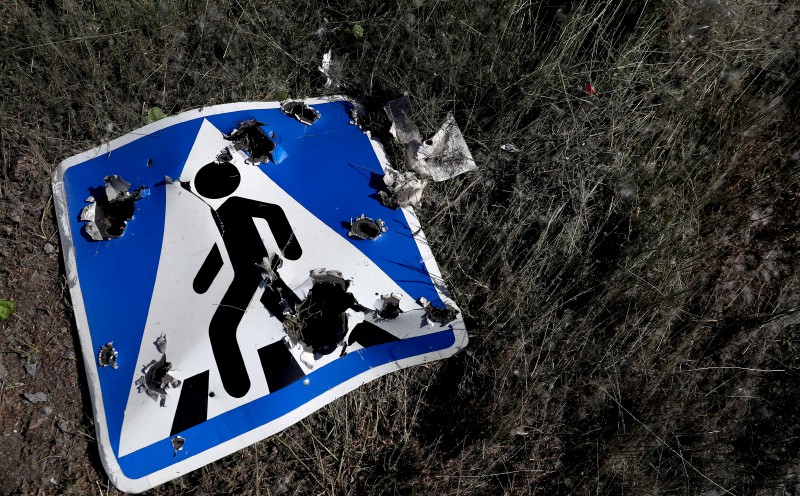
GENEVA: Cluster munitions claimed at least 1,063 lives or caused injuries in 2025, the majority in Ukraine, marking the third-highest annual death toll on record, according to a report released ahead of a treaty review conference. Ninety-seven percent of casualties were civilians, with around one in five being children, according to the Cluster Munition Coalition's annual report.
The treaty is aiding affected communities, yet the escalating human toll and the continued, new use, production, and transfers by non-party states serve as stark reminders that these improvements are not guaranteed, said coalition director Tamar Gabelnick. The deadliest year was 2022, when Russia launched its full-scale invasion of Ukraine, setting the record at 1,172 casualties.
Cluster munitions, launched from ground or air, detonate mid-air, dispersing smaller bombs over a broad area. Survivors frequently endure severe injuries from blasts and burns, necessitating lifelong medical care. Unexploded ordnances can linger on the battlefield long after a conflict concludes. Neither Ukraine nor Russia has ratified the Convention on Cluster Munitions, a pact signed by 112 states prohibiting the use of these weapons.
Russia maintains that cluster munitions are lawful weapons, attributing humanitarian issues to their improper use. Ukraine has also employed these weapons, although it claims to adhere to international humanitarian law. Iran, Myanmar, Russia, Thailand, and Ukraine, none members of the convention, utilized cluster munitions during the reporting period, the report stated.
Evidence of new production was found in nine countries, including China, Israel, North Korea, Russia, and South Korea. The Red Cross has urged more states and major military powers to join the convention before a review conference in Vientiane, Laos in mid-September. Fahad Ahmed, Legal Adviser at the Red Cross, emphasized the need for a larger group of states to join the treaty.
The Red Cross reported funding cuts have forced it to reduce physical rehabilitation support for victims.
Written by urgent.news from New Straits Times's reporting — not their text. Machine-written — may contain errors; check the original before relying on it.