Chinese researchers find egg-cellent way to keep space debris from scrambling craft
Eggy armor cuts projectile speed in simulations as LEO gets increasingly crowded
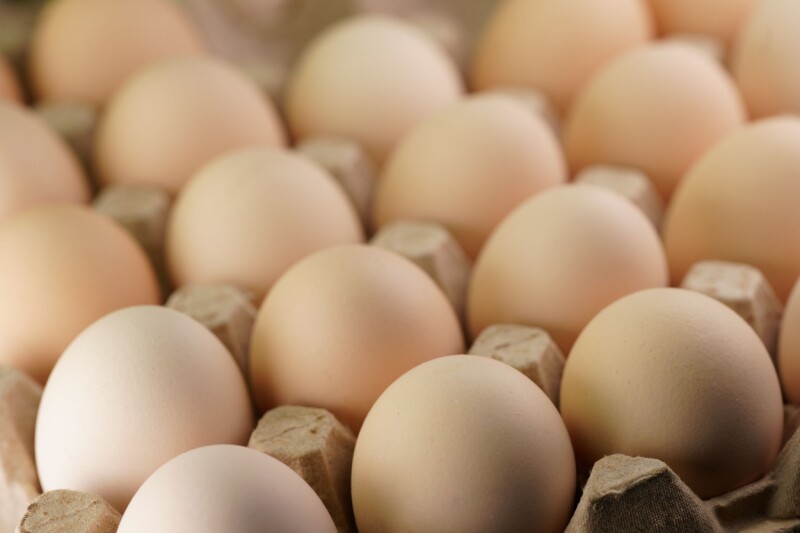
Chinese scientists at Dalian University of Technology have devised a novel spacecraft armor design that draws inspiration from the structure of an egg to enhance protection against space debris impacts. According to lead researcher Yuxin Wang, the egg-shaped structure offers superior energy absorption performance due to the natural biological evolution of biological systems.
Orbital debris poses significant risks to spacecraft and satellites, with impacts traveling at extreme speeds. A fragment as small as 1 cm made of aluminum traveling at 10 km/s can release the same amount of kinetic energy as a hand grenade. As the number of satellites in low Earth orbit increases, so do the risks of collisions and orbital congestion, with the potential for a Kessler syndrome scenario, where collisions generate more debris and exacerbate the problem.
To test their design, Wang's team developed 3D-printed aluminum egg structures filled with water, sandwiched between two aluminum plates. Several configurations of these egg structures were compared in simulations, with the design featuring pointy ends facing the outer plate proving most effective, reducing projectile velocity by 64.9 percent. This was a significant improvement over a single aluminum plate, which reduced projectile velocity by only 51 percent.
While the egg-shaped design offers promising protection, the added weight could be a concern. Wang's team is currently working on optimizing their design and conducting further tests to address this issue. Regardless, the researchers believe their work demonstrates the potential of bio-inspired protective structures in enhancing spacecraft security against space debris impacts.
Written by urgent.news from The Register's reporting — not their text. Machine-written — may contain errors; check the original before relying on it.