Chinese court guidance aims to smooth developer bankruptcies, reassure creditors
China’s Supreme People’s Court has issued the country’s first systematic judicial guidance governing bankruptcy proceedings for property developers, in an effort to end inconsistencies that have slowed disposals and deterred capital in recent years. The framework called for timely reorganisations of viable developers and prompt liquidations of those lacking sustainable value, according to a…
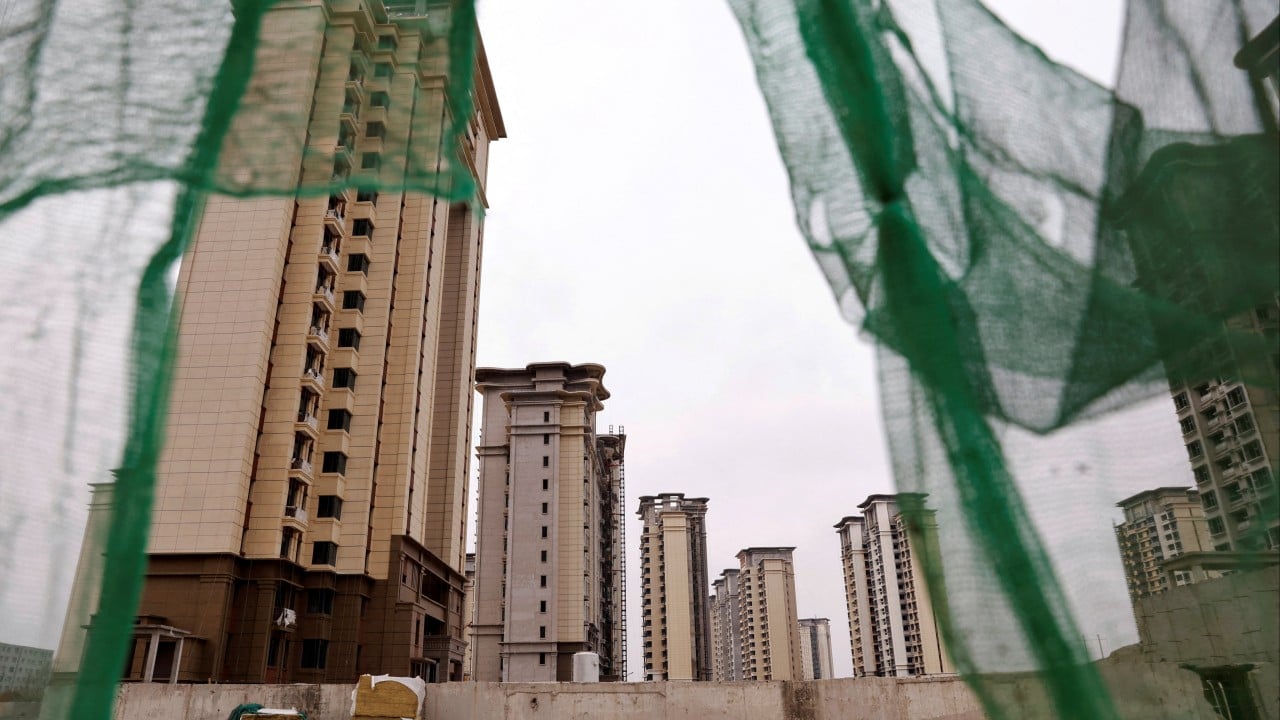
China's Supreme People's Court has released comprehensive judicial guidelines to streamline bankruptcy proceedings for property developers, aiming to alleviate inconsistencies that have hindered disposals and dissuaded investment in recent years. The framework emphasizes the importance of timely reorganizations for viable developers and prompt liquidations for those lacking sustainable value, as outlined in a statement by the Supreme People's Court on Monday.
According to the statement, asset-management companies and institutional investors should be given priority for repayment during stalled project continuations and reorganizations. This move, according to Yan Yuejin, vice-president of the E-House China Research and Development Institute, will significantly enhance creditor security and encourage more social capital participation in home delivery guarantees and the revitalization of existing projects.
The guidance emerges as China navigates the aftermath of the China Evergrande crisis, which has prompted a series of regulatory measures to stabilize the market and simplify bankruptcy proceedings. The court's guidance comes into play when a property developer faces bankruptcy, and a residential sales contract becomes unfeasible due to delivery impossibility or the lack of a realistic completion prospect.
In such cases, the statement specifies that priority repayment should first be allocated to homebuyers for their paid purchase amounts and outstanding personal mortgage loans.
The new guidelines also aim to facilitate the revival of stalled projects by permitting courts to approve feasible construction plans before the first creditors' meeting. Newly generated financing for resumed construction will generally be classified as common-benefit debts, while projects deemed irrecoverable should typically be sold in their entirety to maximize value.
The court acknowledges the complexity of property developer bankruptcy cases, involving substantial debt volumes, multiple stakeholder groups, and intricate creditor claims, which have resulted in inconsistent judicial interpretations across regions and slowed disposal efficiency.
To address these challenges, the Supreme People's Court convened a national symposium in Beijing in December, bringing together officials from various departments to deliberate and agree on core issues that shaped the new guideline. The resulting framework also calls for further refinement of the normalized mechanism for government-court coordination and issue resolution in bankruptcy cases.
Under this approach, the government assumes responsibility for risk control and administrative coordination, while courts handle judicial proceedings. Regulators, including financial watchdogs, natural resources authorities, housing and urban-rural development agencies, market regulation departments, and tax authorities, will collaborate to tackle bottlenecks and pain points related to market-based investment and financing, asset disposal, tax relief, and credit repair.
Written by urgent.news from SCMP Business's reporting — not their text. Machine-written — may contain errors; check the original before relying on it.