CAQM pulls up Haryana pollution board over dust-monitoring lapses
The Commission for Air Quality Management (CAQM) has flagged a lack of compliance by the Haryana State Pollution Control Board in monitoring construction sites. The CAQM highlights failures in remote dust control measures as air quality concerns rise ahead of winter.
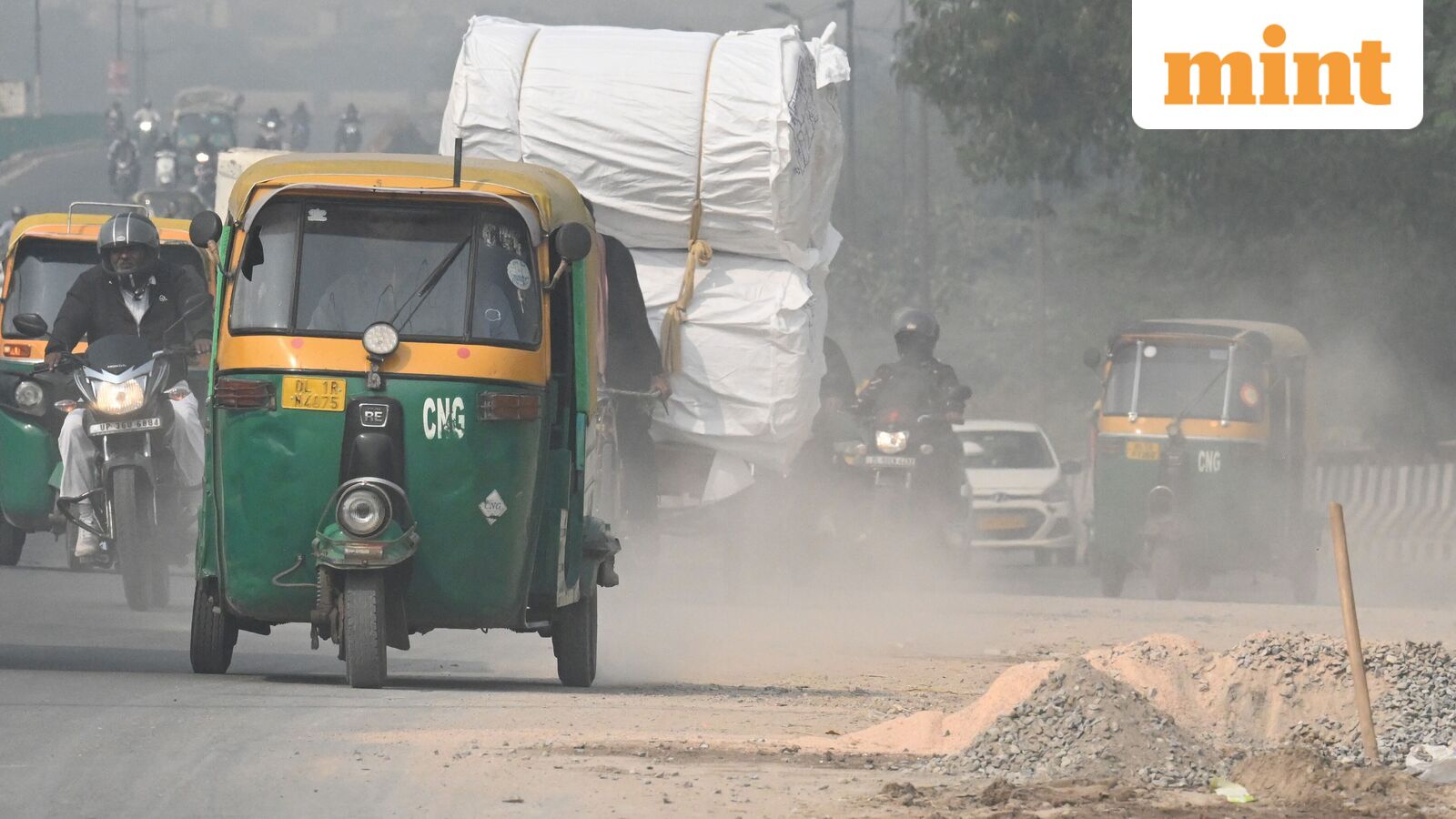
The Commission for Air Quality Management (CAQM) has expressed concern over the Haryana State Pollution Control Board's (HSPCB) persistent failure to monitor construction and demolition (C&D) sites effectively. CAQM, which operates under the Union environment ministry, has repeatedly highlighted the HSPCB's non-compliance, particularly regarding the malfunctioning of web-camera links necessary for remote tracking of dust-control measures.
This issue comes to light as the winter season approaches, typically marked by deteriorating air quality in Delhi-NCR.
In a statement, CAQM labeled the ongoing lapses as "wilful non-compliance" by the HSPCB, a designated enforcement authority. The commission has requested the HSPCB to provide details on compliance and actions taken in response to the notices issued by CAQM. Since 2024, CAQM has been utilizing a web portal managed by the HSPCB for sample-based remote monitoring of C&D sites.
During a review meeting chaired by CAQM chairperson Rajesh Verma on September 8, the commission pointed out that discrepancies in the HSPCB's monitoring portal had persisted despite previous alerts since 2024. A remote monitoring exercise conducted between June 19 and 22 revealed that functional camera links were available at only a few sites across major districts in the National Capital Region (NCR).
Specifically, out of 213 active C&D sites in Panipat, 457 in Sonipat, 168 in Faridabad, 691 in Gurugram North, and 484 in Gurugram South, only four sites in Faridabad, six in Gurugram North, and five in Gurugram South had operational camera links.
Despite being advised by CAQM to deploy a dedicated team for remote monitoring, the HSPCB has not taken any substantial steps, and the discrepancies remain unresolved. These issues include incomplete camera links, incorrect login credentials, links requiring mobile applications, non-functional URLs, and cameras remaining offline even after successful logins.
The slow progress in compliance underscores the urgent need for enhanced resources and enforcement mechanisms, especially in rapidly developing regions like Panipat, Sonipat, Faridabad, and Gurugram, which are experiencing significant construction and demolition activities. Environmentalist and lawyer Akash Vashishtha emphasized the requirement for additional resources to monitor and enforce CAQM's directives, given the rapid pace of development in these areas.
The poor compliance status highlights the necessity to strengthen both monitoring and enforcement mechanisms to ensure the effective implementation of dust mitigation measures at C&D sites. In response, CAQM has directed the HSPCB to strictly adhere to its statutory directions, including taking corrective measures such as closing non-compliant C&D sites. The commission stressed that timely implementation of its orders is crucial to prevent and reduce air pollution across the region.
CAQM's directives carry significant weight as C&D activities are a major contributor to dust pollution in the National Capital Region. With the impending winter season, the commission emphasized the criticality of timely implementation of its statutory directions to mitigate air pollution effectively.
Written by urgent.news from Live Mint's reporting — not their text. Machine-written — may contain errors; check the original before relying on it.