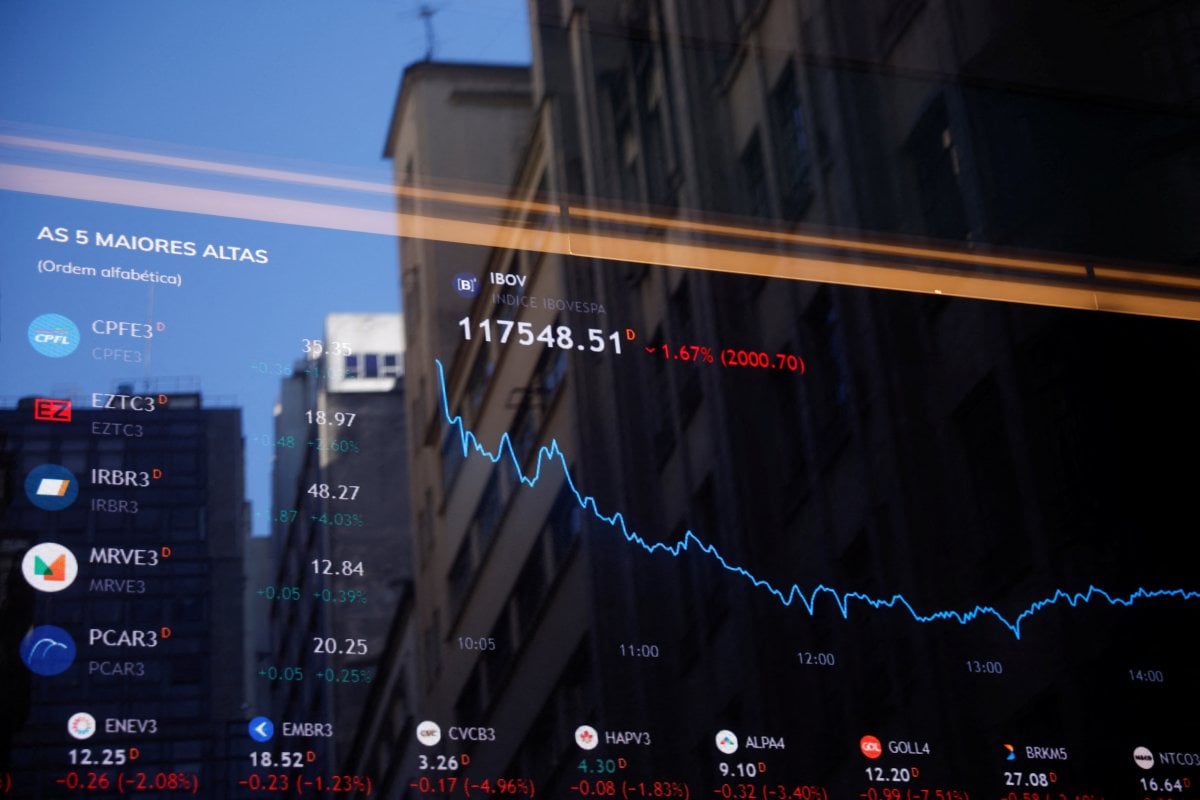
Brent crude tops US$100, Malaysia cushioned by Petronas revenues but inflation pressures loom
KUALA LUMPUR, Sept 9 — Brent oil surpassed US$100 (RM406.76) per barrel for the first time since July 2026 as the...
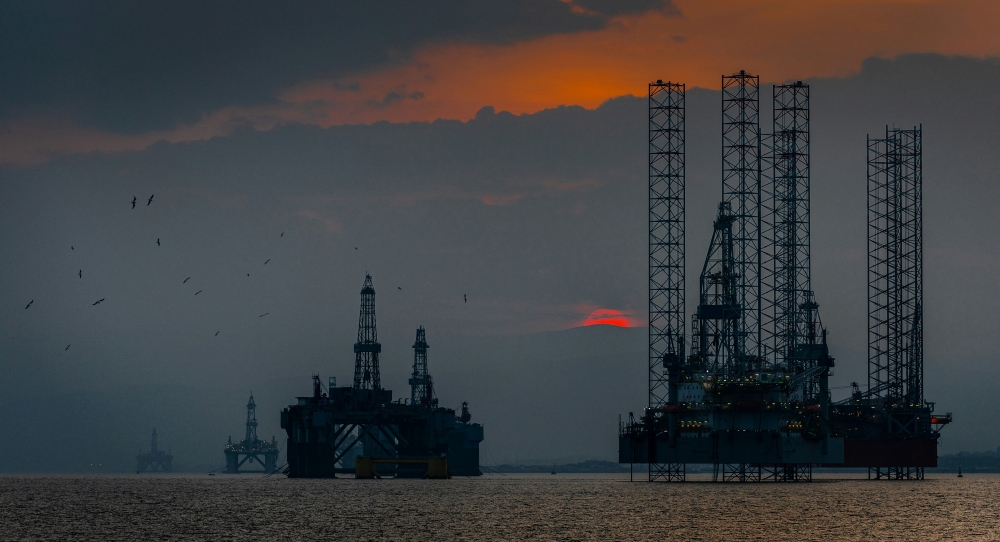
Brent crude oil reached a record price of over US$100 per barrel for the first time since July 2026 in September 2026, driven by escalating tensions between the United States and Iran. Attacks on oil tankers and Saudi Arabia's energy facilities heightened concerns about potential supply disruptions through the Strait of Hormuz and the Red Sea.
Brent crude prices jumped 2.72 percent to US$100.60 per barrel at the time of this report. Experts predict that this elevated price level could persist well into 2027, with Stephen Innes, a Quintix Intel global strategist, stating that the situation remains extremely fluid. A serious disruption to Saudi Arabia's production, further tanker losses, or a closure of the Strait of Hormuz could push Brent prices significantly above US$100.
In the short term, the conflict's impact is primarily a geopolitical premium, with a US$15 to US$16 per barrel premium over the physical market value. Innes estimates that this premium reflects war risk, shipping uncertainty, and the possibility of a larger disruption. While sustained US$100 per barrel oil would contribute to global inflation, making central banks more cautious about easing policy, particularly in energy-importing economies, the current situation is less severe than historical oil shocks.
For Malaysia, higher oil prices present a mixed blessing. The country benefits from higher petroleum revenues, Petroliam Nasional Bhd (Petronas)-related income, and potentially stronger export receipts, providing a cushion against the inflationary pressures. However, prolonged US$100 oil would increase fuel, freight, transport, and broader input costs throughout the economy, making Malaysia better positioned than most Asian oil importers, but still facing higher inflation and costs for households and businesses.
Written by urgent.news from Malay Mail's reporting — not their text. Machine-written — may contain errors; check the original before relying on it.