Big Tech eyes glacier-strewn Patagonia for building mega AI data centers — region offers 17,300 glaciers, coldness, and cheap energy, but fiber lines are scarce
Patagonia, a region of Argentina with 17,300 glaciers has the potential to turn into a data center hotspot.
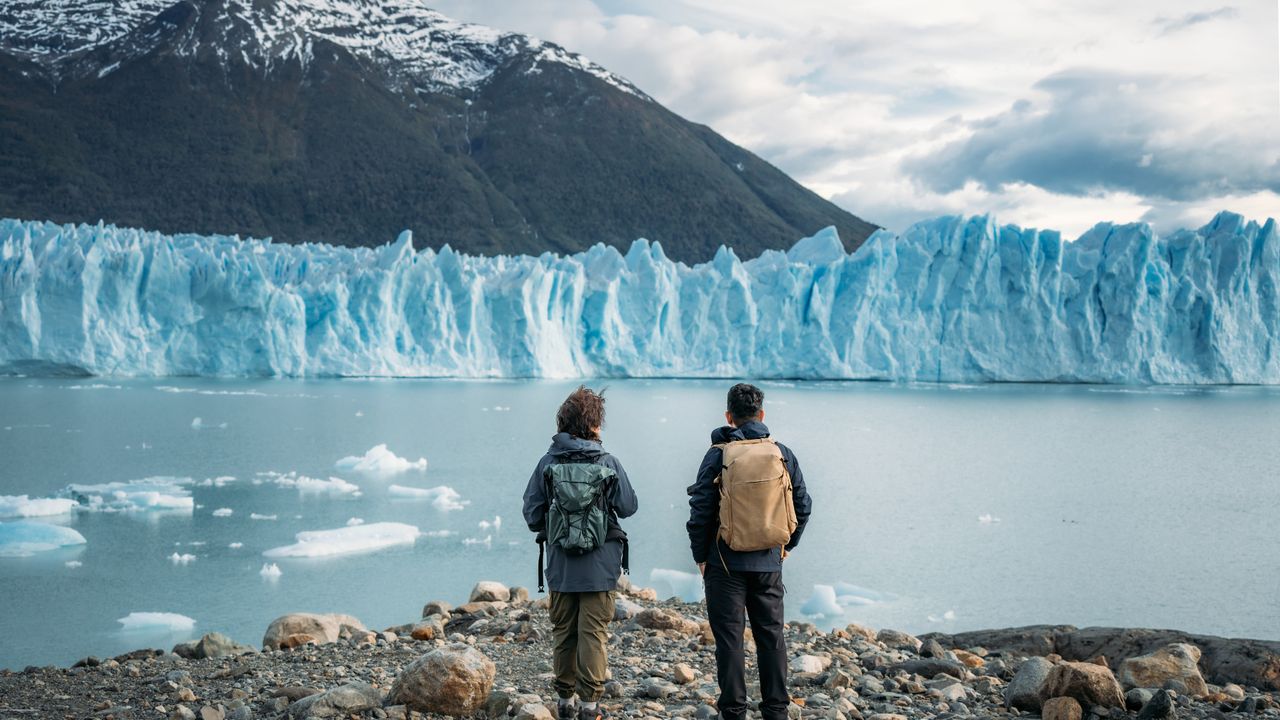
Patagonia, a region in Argentina boasting 17,300 glaciers, is emerging as a potential hotspot for data centers. The cool climate and abundant energy resources have caught the attention of major tech companies such as Amazon, Google, and OpenAI, according to Reuters. However, challenges remain in harnessing these resources and upgrading high-speed networking infrastructure, including the installation of fiber lines.
Political stability is also a concern, as Argentina is set to hold a presidential election next year, which could potentially alter the landscape for large-scale data center projects. The region's unique environment not only aids in cooling data centers but also offers a diverse range of energy sources, including hydroelectric power, wind, and shale gas, with some operators even incorporating solar energy.
Argentina's government, particularly President Javier Milei, has been actively courting Big Tech, signaling a positive shift in the country's stance towards data centers. However, there are potential hurdles ahead, such as the need to address indigenous communities' concerns and the uncertainty surrounding the upcoming election, which could lead to significant changes.
Despite these challenges, several companies, including OpenAI, Green Capital, and FlexDomes, have already announced plans to invest billions of dollars in Patagonia for data center expansions. Meanwhile, other South American countries are also vying for the attention of these tech giants, recognizing the region's potential as a hub for hyperscale data centers.
Still, Argentina faces structural weaknesses, such as connectivity and power grid deficiencies, which could add significant costs to the establishment of new data centers.
Written by urgent.news from Tom's Hardware's reporting — not their text. Machine-written — may contain errors; check the original before relying on it.
This story
This is one outlet's version. Read the fullest account.