Asia's next leverage-driven market crash could be brewing
The recent crash of tech-heavy KOSPI rings an alarm bell for retail investors in navigating Asian equities as regulators move to rein in single-stock ETFs across the region.
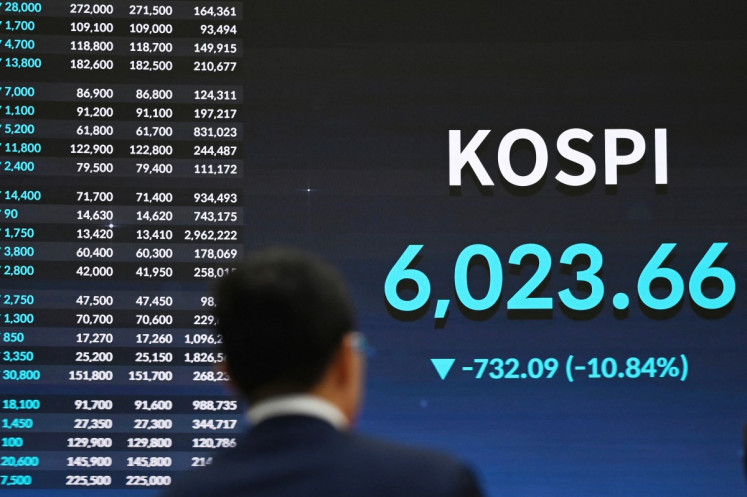
The recent crash of tech-heavy KOSPI serves as a warning for retail investors navigating Asian equities as regulators seek to rein in single-stock ETFs across the region. South Korea's equity rout demonstrated how margin debt can transform a sell-off into a market-wide tailspin. While Korean tech giants remain exposed, the next Asian crash may emerge from different fault lines.
South Korean equities dropped 39 percent from June 22 to July 30, attributed to the rapid buildup and subsequent unwinding of margin loans by retail investors, who used broker loans to buy tech giants and volatile single-stock leveraged ETFs. This led to massive market value losses when collateral values fell and traders faced forced liquidations.
Margin loans have surged in other Asian markets, including India (from $1 billion in 2020 to $16.3 billion in August 2021) and China (tripling from $68 billion in 2019 to $200 billion in August 2021) and Japan (almost doubling from $18 billion in 2020 to over $35 billion in August 2021). Although these balances seem modest as a proportion of total equity market capitalization, China's margin balance at 2 percent of its market cap is particularly concerning, as it surpassed its previous peak in 2015, which preceded a 48 percent crash in the Shanghai Composite Index.
Concentration of margin loans also poses a risk, as seen in South Korea, where Samsung Electronics and SK Hynix accounted for nearly 31 percent of total KOSPI leverage. In China, traders have focused on large-cap electronics, semiconductor, and telecom stocks, and in Japan, margin buying is concentrated in semiconductor and electronic component stocks.
Indian retail traders have allocated a larger share of their margin capital to small- and mid-cap stocks. Regulators have noticed the growing risk posed by margin loans and are taking action, such as South Korea's Financial Services Commission's measures to curb volatile single-stock ETFs and the Reserve Bank of India's ban on margin loans against shares for purchasing securities or applying for IPOs.
China's Securities Regulatory Commission raised the minimum margin requirement to 100 percent for new margin accounts. Despite these changes, the attractiveness of margin loans remains high, depending on borrowing costs, which appear to be increasing in most regions, except China. Investors must remain vigilant as the next margin-driven fault line may not mirror South Korea's impact but could target different areas.
Written by urgent.news from The Jakarta Post's reporting — not their text. Machine-written — may contain errors; check the original before relying on it.