Apple Watch Series 12 Hands-On: Familiar Design, Different Everywhere Else
A faster chip, new health sensors, deeper recovery insights and a new AI Audio feature that helps you remember conversations — here’s what’s new for the Apple Watch.
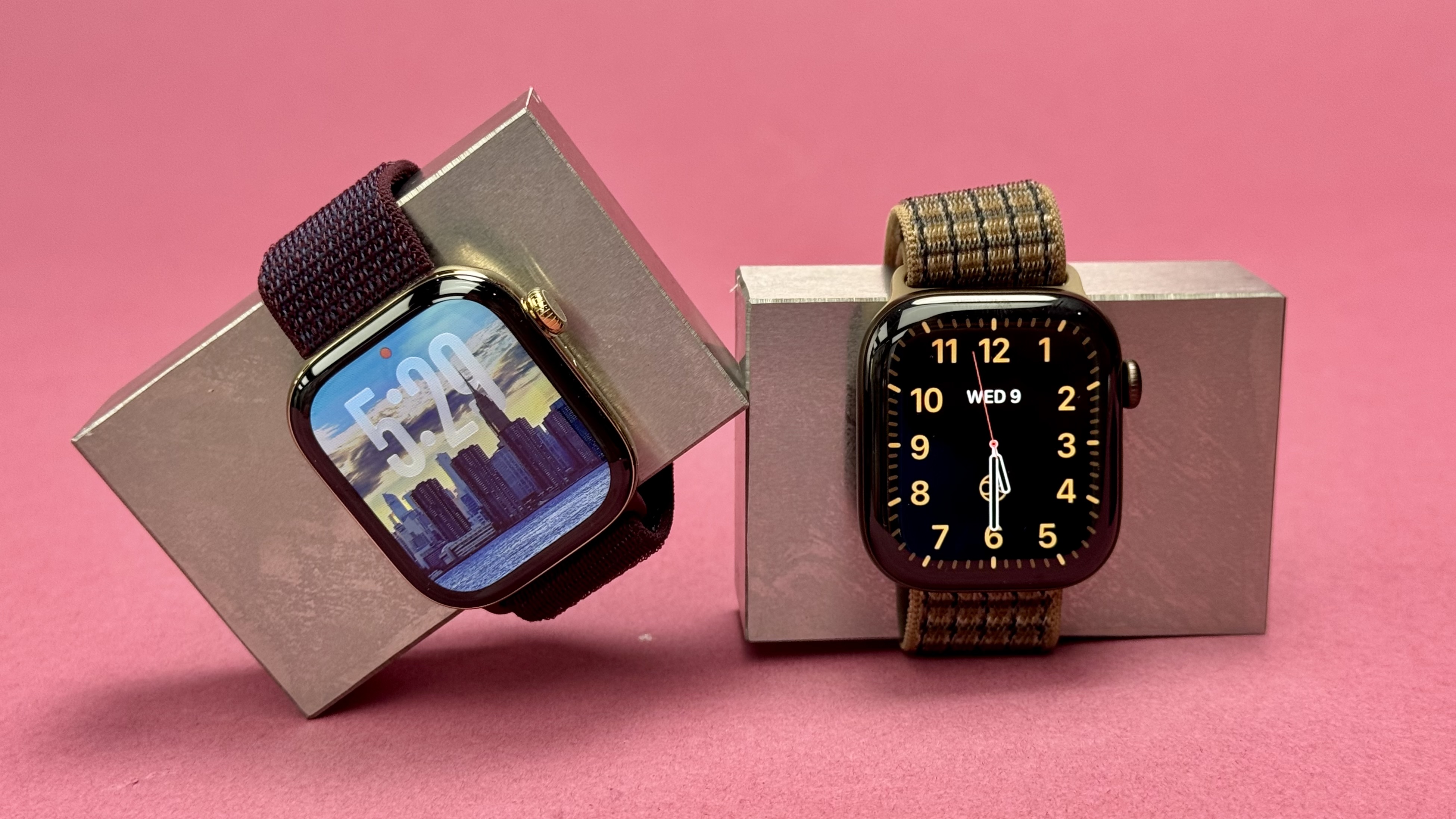
The Apple Watch Series 12 has arrived, unveiling a familiar design with significant changes inside. At the September launch event, Apple presented the Series 12 alongside the Apple Watch Ultra 4, new iPhone 18 models, and the much-anticipated foldable iPhone Duo. Despite retaining its classic Apple Watch appearance, the Series 12 sports notable upgrades under the hood.
The heart of the Series 12 lies in its new S11 processor and reengineered health sensors. These enhancements deliver higher heart rate accuracy, expanded recovery insights, and an AI-powered Audio Intelligence feature. This AI can transcribe and save crucial conversations, marking a notable shift in the watch's capabilities. However, the Series 12 maintains its starting price at $399, mirroring the price of the previous generation, while the Ultra 4 begins at $799.
Apple's investment in processing power is evident, particularly in WatchOS 27, which integrates Siri AI into the Apple Watch. Early testing of Siri AI in beta on the Series 12's predecessor, the Ultra 3, reveals substantial improvement over traditional Siri. It can now handle more complex queries, reference information within Apple's native apps, and avoid the restrictive "here's what I found on the web" response.
The new S11 chip might also contribute to improved battery life, although real-world tests are needed to confirm this.
One of the standout AI-powered features on the Series 12 is Audio Intelligence. This functionality allows the watch to listen to and transcribe conversations, providing either a live Rewind of the last 15 seconds of a missed discussion or a summary of longer exchanges. These conversations do not get stored, and any processing in the cloud remains inaccessible to Apple or any third parties.
In terms of health tracking, the Series 12 introduces the Readiness score, which evaluates body recovery based on combined biometric signals from sleep, activity, and other vital metrics. This is a departure from traditional wearables, as Apple's approach is real-time and dynamic, adjusting throughout the day depending on the user's activities.
The redesigned Health app now offers AI insights and biometric data-driven daily summaries and personalized health recommendations, similar to offerings from Fitbit, Whoop, and Oura, though these insights are behind a paywall. Additionally, the app includes a comprehensive health test assessing VO2 max and mobility using the device's camera, feeding data into a longevity tab that evaluates various health categories.
Apple also announced a redesigned Health app that integrates AI insights and biometrics to provide daily summaries and personalized health recommendations. The watch features a new Vitals app that monitors overnight health metrics and an expanded Training Load feature tracking the strain on the body. Furthermore, Apple introduced a redesigned Health app that combines AI insights and biometrics to deliver daily summaries and personalized health recommendations.
The watch also boasts a redesigned Health app that blends AI insights with biometric data, offering daily summaries and personalized health recommendations.
Overall, the Series 12 retains its signature rectangular, all-screen display with refreshed colors, case finishes, and bands. Options now include black, silver, light gold, and a new bronze aluminum finish, along with a return of the ceramic case from the Series 5, a ceramic option, a new gold titanium Hermes edition, and updated band choices. The Series 12 begins at $399 for the 42mm aluminum model.
Written by urgent.news from CNET's reporting — not their text. Machine-written — may contain errors; check the original before relying on it.