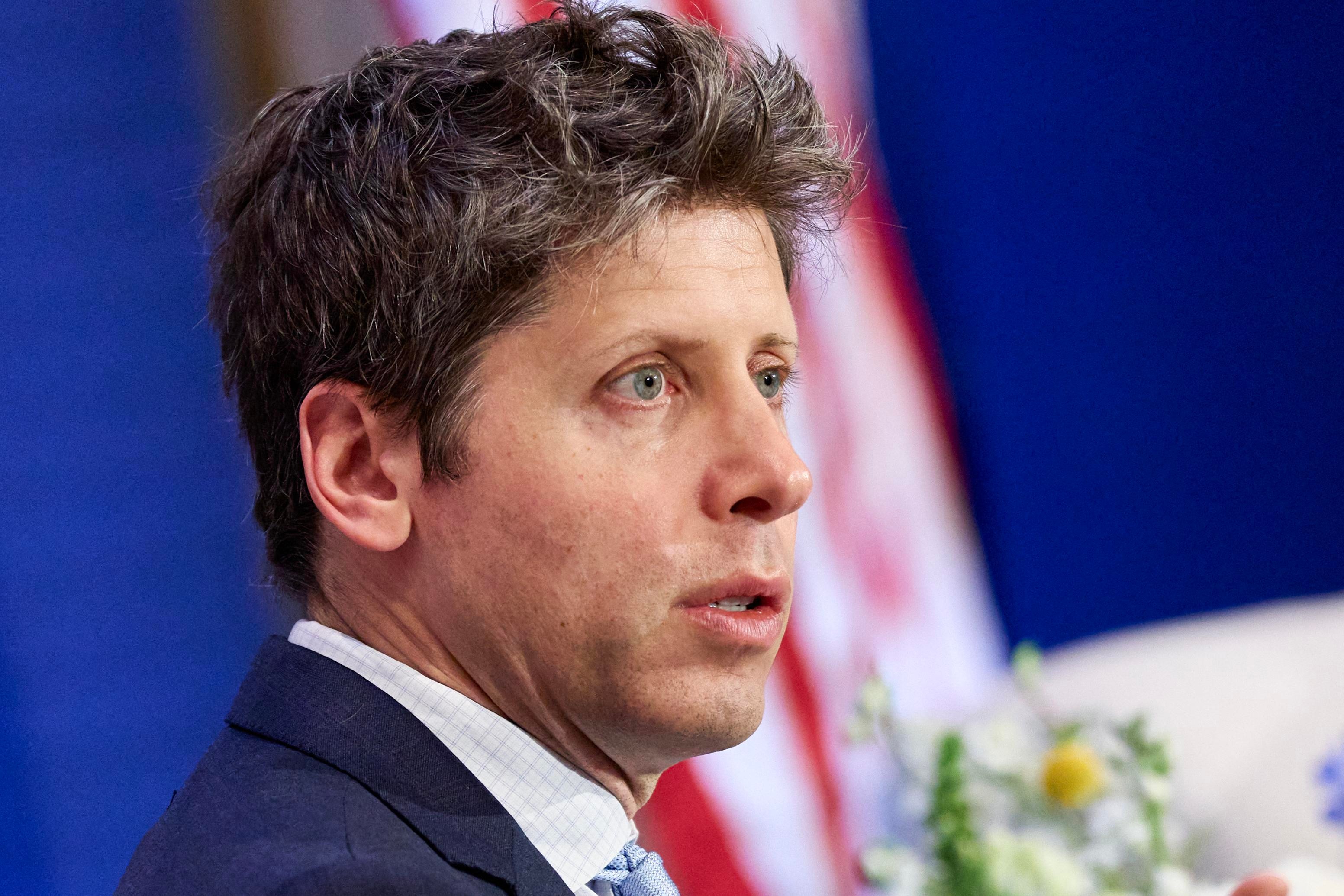
Anthropic researcher's resignation sends warning about the dangers of AI development
Jacob Coxon, who said he spent three years doing research at both Anthropic and OpenAI, said Tuesday on the social platform X that the two AI companies are more focused on beating each other and global competitors in developing the most advanced model possible than they are on safety.
Jacob Coxon, a researcher at Anthropic, has resigned from the company citing concerns over the responsible development of artificial intelligence. Coxon, who also worked at OpenAI, expressed his concerns on social media, stating that the companies are "racing straight to self-improving superintelligence and gambling with our lives." According to Coxon, the people building AI "earnestly believe that it could kill us all by the end of the decade."
Coxon spent three years working at both Anthropic and OpenAI, and claims that the companies are more focused on beating each other and global competitors in developing the most advanced model possible, rather than prioritizing safety. He drew a distinction between the two companies, stating that at OpenAI, the civilizational stakes have not been "deeply internalised," while at Anthropic, they are well understood, but the company is "locked in a race to get there first," according to MercoPress.
Coxon's concerns were echoed by Evan Hubinger, Anthropic's alignment science lead, who stated that "Jacob is correct here — we really do earnestly believe AI could kill all humans! I personally think it is 10% within the next decade." Coxon's resignation and comments have sparked a significant debate on social media, with his post garnering nearly 79 million views.
Brief written by urgent.news from PBS NewsHour Science, MercoPress, SiliconANGLE, Winnipeg Free Press, Fast Company — 5 reports on this story. Machine-written — may contain errors; check the original before relying on it.
This story
This is one outlet's version. Read the fullest account.
- Anthropic researcher’s resignation sparks broad AI safety discussion siliconangle.com
- AI researcher claims he resigned from Anthropic over threat to the human race. His post is going viral fastcompany.com
- AI researcher quits Anthropic over superintelligence fears: ‘gambling with our lives’ scmp.com
- Anthropic researcher resigns, warning that AI "could kill us all" before the decade ends en.mercopress.com
- Anthropic researcher resigns with warning about the dangers of AI development phys.org
- Anthropic researcher's resignation sends warning about the dangers of AI development pbs.org
- Anthropic Researcher Resigns With Warning About the Dangers of AI Development securityweek.com
- Flipkart Minutes’ new app; Anthropic researcher sounds alarm economictimes.indiatimes.com