Amusing or addictive? The algorithms powering our social feeds
Open TikTok, Facebook, Instagram, YouTube or other platforms and you'll see a scrolling feed or recommendations bar showing content targeted to your interests.
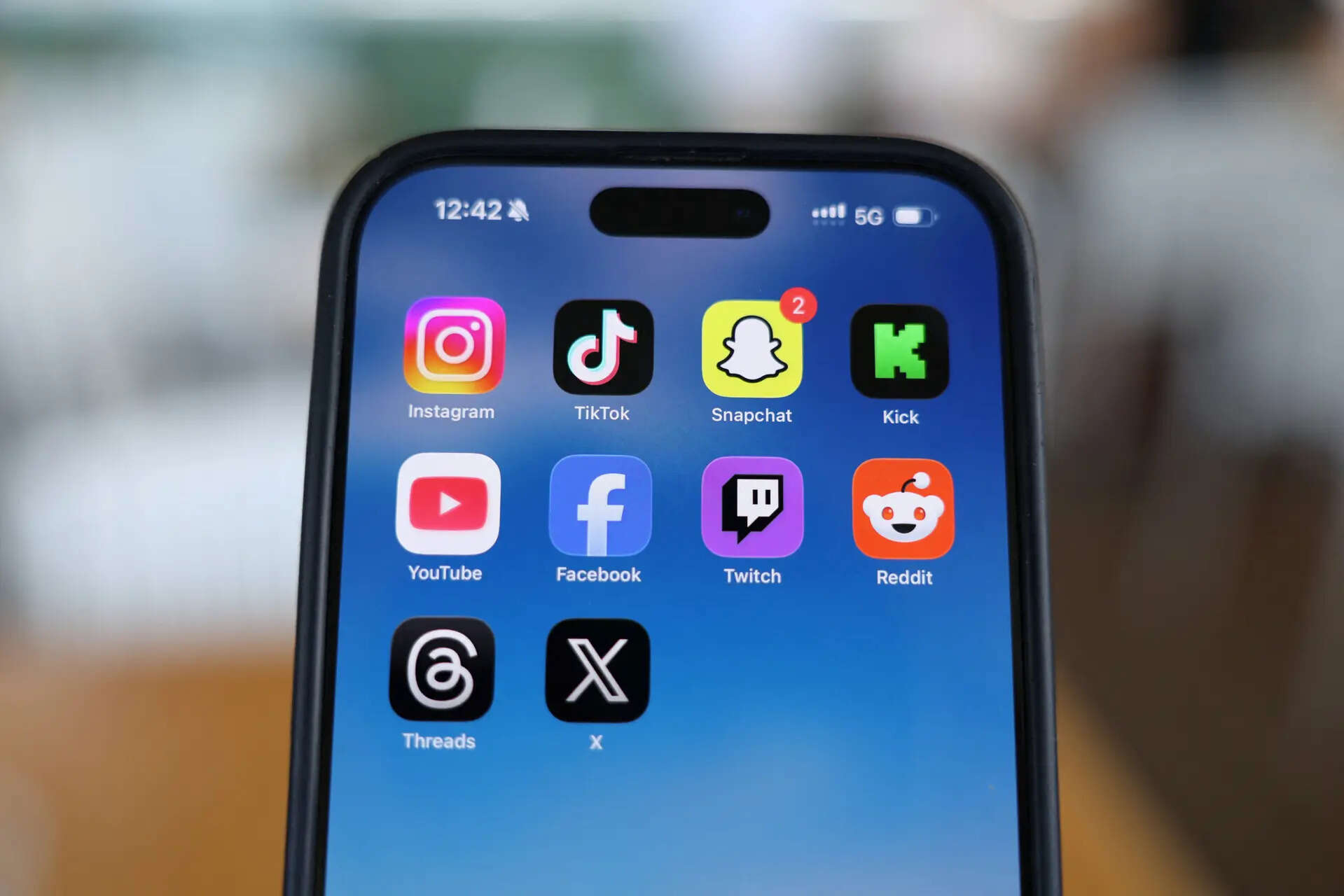
Social media algorithms play a crucial role in shaping our online experiences by displaying content tailored to individual interests. As users scroll through feeds on platforms like TikTok, Facebook, Instagram, and YouTube, they encounter personalized recommendations driven by complex programming rules. These algorithms predict what content will engage the user based on their online interactions, demographics, and other personal data.
These algorithms are often shrouded in mystery, with the underlying code kept secret by social media giants. The purpose behind this concealment is to maintain a competitive edge and ensure the algorithms continue driving traffic to their platforms.
The addictive nature of these algorithms has raised concerns among researchers and activists. As users open their devices for brief periods, hours can pass as they become engrossed in endless scrolling. Social media platforms have employed various tactics to keep users engaged, such as never-ending feeds, intermittent rewards, and time-sensitive notifications.
These features trigger the brain's dopamine system, leading to a compulsive cycle of seeking and anticipation that can result in dependence similar to substance addiction.
The dangers of social media algorithms extend beyond addiction. They can expose users to emotionally charged content, leading them down rabbit holes that are challenging to exit. Algorithms prioritize provocative and extreme content because it drives engagement, which in turn generates profit. Young boys, in particular, have been targeted by the "manosphere" – communities and influencers promoting misogyny and violence against women.
Australian men's health charity Movember discovered that social media inadvertently steers young men towards such content, often without their consent.
These algorithms have already had a detrimental impact on Australian schools, with 70% of teachers reporting witnessing the effects of misogynistic influencers on student attitudes and behavior. A national survey of over 2,600 teachers found that exposing young people to such content exacerbates the prevalence of misogyny in educational settings.
In response to these concerns, Australia has proposed new legislation that would allow users to opt out of personalized algorithms and hold social media companies accountable for protecting under-18s from harmful content. The "my feed, my way" initiative aims to restore the basic function of social media platforms, focusing on updates from friends, family, and followed pages.
However, a 2025 survey of over 6,000 people across six countries revealed that only one in five respondents would switch off personalized recommendations if given the option. This suggests that despite the potential benefits of opting out, many users are content with the addictive nature of social media algorithms.
Written by urgent.news from Economic Times Tech's reporting — not their text. Machine-written — may contain errors; check the original before relying on it.
This story
This is one outlet's version. Read the fullest account.