Africa doesn’t need to build the next ChatGPT to win the AI race
Africa’s AI opportunity may lie beyond chatbots, with AI transforming mining, business processes and other industries that power its economy.
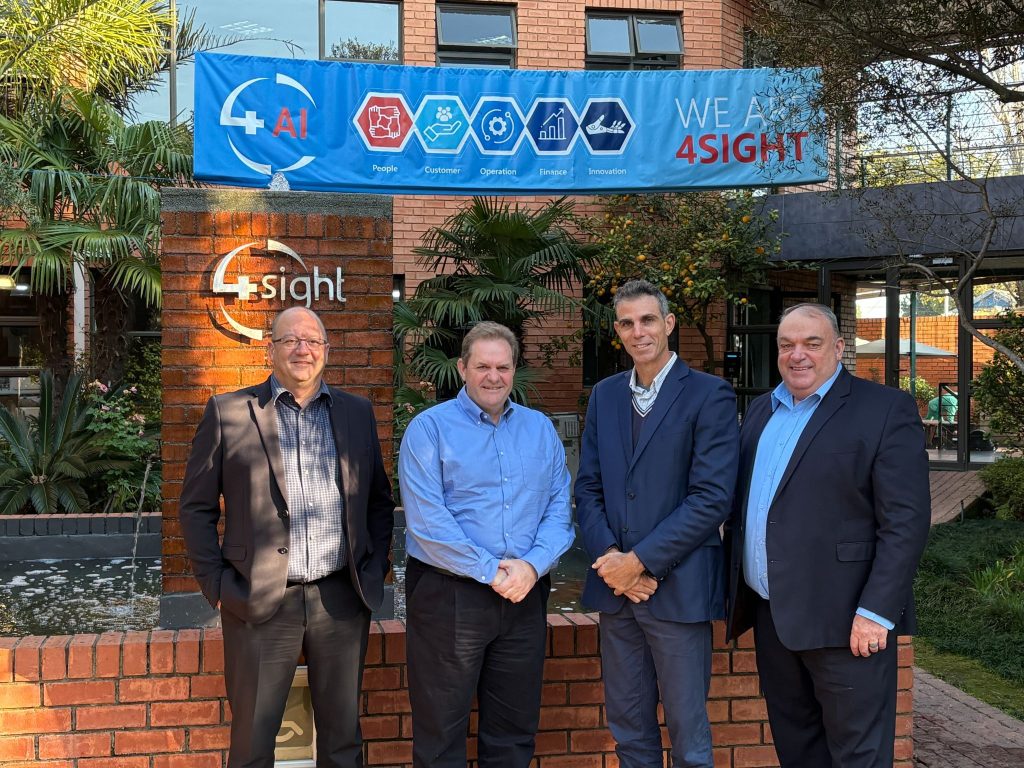
During a recent Artificial Intelligence conference in Johannesburg, attendees were captivated by a display of a walking robot. However, Tertius Zitzke, the CEO of South African technology firm 4Sight Holdings, offered a reminder during a subsequent discussion. While the robot's walking was impressive, someone needed to drive the robot to the event, power it on, and return it to its case afterwards.
This anecdote highlights an important point about artificial intelligence (AI): the visible applications like chatbots, humanoid robots, and AI assistants may attract attention, but more significant AI adoption may occur in less obvious areas. Within African industries, AI is transforming systems that process invoices, manage workflows, optimize energy consumption, operate mines, and support business decisions.
Africa's AI revolution may not resemble the one dominating Silicon Valley, with fewer viral chatbots and consumer-facing AI startups. Instead, it may consist of machines quietly making decisions within mines, factories, banks, telecom networks, and corporate back offices. Zitzke's company, 4Sight Holdings, is focusing on automating routine business processes through what they call "4Sight Automated Intelligence."
This approach goes beyond simply describing AI as a product people interact with, such as a chatbot. Instead, it emphasizes what AI can actually do, such as extracting information from invoices, comparing it to previous transactions, and triggering the next step in a company's workflow. An example given was how AI could read meter readings, compare water consumption to previous months, and alert businesses to unusual increases, potentially indicating a burst pipe.
The value lies not in the AI's ability to hold a conversation but in the decisions businesses can now make due to the machine's ability to extract and interpret previously unused information. 4Sight's strategy revolves around the idea that this kind of automation can lead to measurable business efficiency. CEO Zitzke cited the company's 54% revenue growth alongside a 5% increase in staff as evidence of the efficiency gains they are experiencing.
The economic logic behind enterprise automation is that businesses do not have to lay off employees to increase output; they can use technology to make their existing workforce more efficient. For Africa, the question may not be whether machines will destroy jobs but what happens to those jobs when repetitive tasks are automated.
The conversation about AI in Africa is shifting from merely discussing what AI models can say to what AI can actually accomplish. ABB South Africa's Local Division Manager for Process Automation in the Physical Economy, Charl Marais, explained one of the industry's main challenges as "islands of automation." Modern mines may have sophisticated systems controlling various operations, but these systems are not connected, creating a lack of visibility across the entire operation.
By connecting physical infrastructure, operational data, and automation systems, AI can help optimize the entire operation. ABB has been working on automation in mining for decades, but what is changing is the convergence of automation, digitalization, and AI.
Written by urgent.news from TechCabal's reporting — not their text. Machine-written — may contain errors; check the original before relying on it.