'A masterclass in sensor-to-shooter kill chain management': Blackhawk Company commander explains what he learned from controversial US-Ukraine 'drone-first' wargame
Blackhawk Company faced persistent Ukrainian drone surveillance during German exercises, forcing American soldiers to change tactics while defending armored warfare’s value.
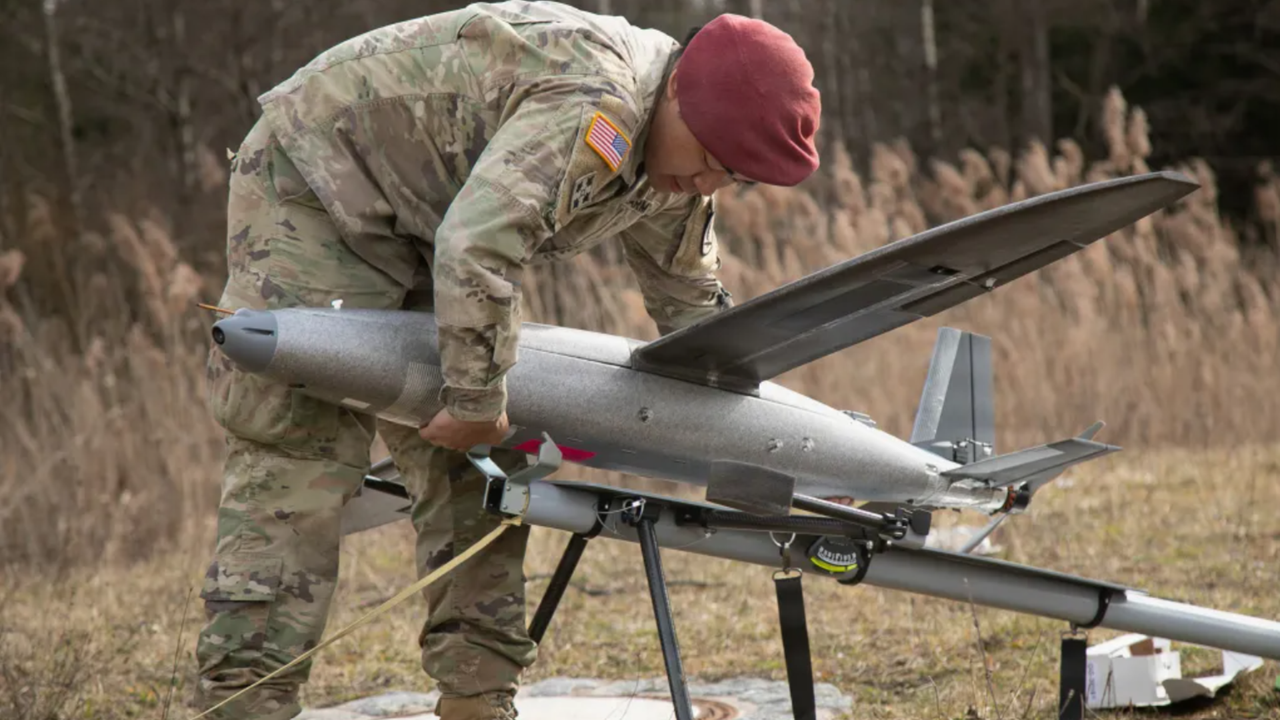
In a 10-day combat training exercise in Germany, Blackhawk Company, part of the 2nd Battalion, 7th Cavalry Regiment, found themselves facing persistent aerial surveillance from Ukrainian drones during the exercise. Ukrainian personnel from the 412th Regiment, known as the Nemesis formation, provided battlefield experience and used aerial systems to observe American movements.
The American unit, lacking counter-drone equipment, altered their tactics to avoid detection, including moving Bradley vehicles beneath dense vegetation, using steep ground and difficult routes to reduce exposure, and studying their movements from an aerial perspective. Despite these changes, American vehicles were still destroyed during simulated combat, including Bradley vehicles and tanks.
Capt. Allan Watson, the Blackhawk Company commander, disputed reports claiming the exercise showed American armored vehicles were unsuitable for modern combat, insisting that armored vehicles remained useful due to their mobility and protection. Watson emphasized that while drones could locate American forces, exploiting that information still required personnel operating at ground level, highlighting the importance of conventional reconnaissance.
As the exercise progressed, Blackhawk Company shifted from defensive tasks toward offensive operations, becoming increasingly confident as they adjusted to the challenging conditions. Ukrainian participants shared methods for operating inexpensive drones over long distances and linking battlefield observation with rapid engagement, describing it as a "masterclass in sensor-to-shooter kill chain management and speed."
Capt. Watson concluded that technology alone does not determine battlefield outcomes; human decisions remain essential during combat. He stressed that units must adjust tactics when aerial surveillance becomes persistent, warning that these exercises serve to expose weaknesses, test countermeasures, and prepare American forces for drone-heavy warfare.
Written by urgent.news from TechRadar's reporting — not their text. Machine-written — may contain errors; check the original before relying on it.