Zoomlion intensifies public health protection activities in Sefwi Wiawso
Zoomlion Ghana Limited has intensified efforts to protect public health in the Western North Region with a two-day disinfection and disinfestation exercise at selected public facilities in the Sefwi Wiawso Municipality. The exercise, which began on Wednesday, August 26, 2026, at about 3:30 p.m., continued until 8:00 p.m. It resumed at 3:30 a.m. the following […]
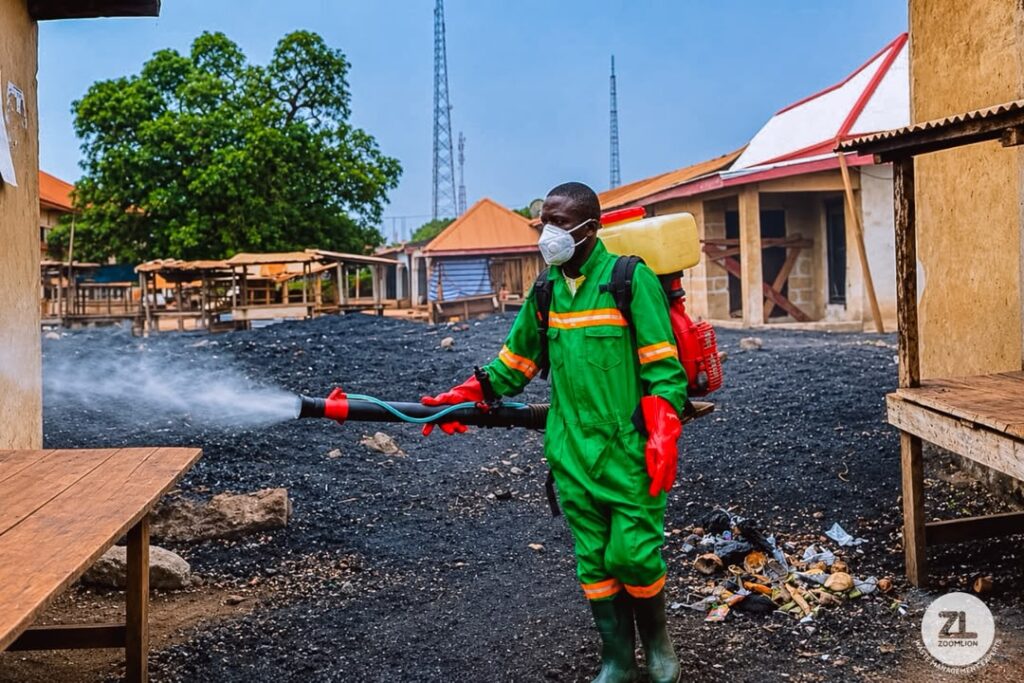
Zoomlion Ghana Limited has ramped up efforts to safeguard public health in the Western North Region through a two-day disinfection and disinfestation campaign at key facilities in the Sefwi Wiawso Municipality. The initiative, which commenced on Wednesday, August 26, 2026, at 3:30 p.m. and concluded at 7:30 a.m. the following day, aimed to mitigate the spread of diseases such as malaria, cholera, and typhoid by targeting mosquitoes, flies, and other disease vectors.
The extensive operation encompassed critical areas including the municipal assembly, local markets, lorry parks, public toilets, and refuse container sites. By focusing on these high-traffic zones during peak hours, the technical team minimized inconvenience to traders, commuters, and other users. This strategic timing allowed for thorough cleaning without disrupting daily activities.
Mr Richison Nii Ayi Reindorf, the Western North Regional Manager of Zoomlion Ghana Limited, explained that the intervention was a response to heightened environmental health concerns during the rainy season, particularly due to recent flooding and poor sanitation conditions that could foster mosquito breeding and increase disease transmission.
The company bore the entire cost of the exercise under its Corporate Social Responsibility program, offering the service at no charge to the Sefwi Wiawso Municipal Assembly and the local community.
Mr Paul Kwesi Nutsugah, the Western North Regional Environmental Health Officer, praised Zoomlion for the initiative and emphasized the necessity of collaborative efforts between the company, local authorities, and environmental health officials to reduce sanitation-related public health risks. He encouraged residents, traders, and facility managers to contribute by maintaining cleanliness, proper waste disposal, and eliminating standing water to prevent the proliferation of disease-carrying insects.
This initiative underscores the critical role of partnerships between private-sector entities, local governments, environmental health authorities, and communities in fostering cleaner environments and enhancing public health protection.
Written by urgent.news from Adom Online's reporting — not their text. Machine-written — may contain errors; check the original before relying on it.