‘You almost taste it’: Fredericton residents fed up with sewage plant odour
Some residents on Fredericton's north side say a lingering smell from the city's sewage treatment plant has been unbearable for months. The city says it's making changes.
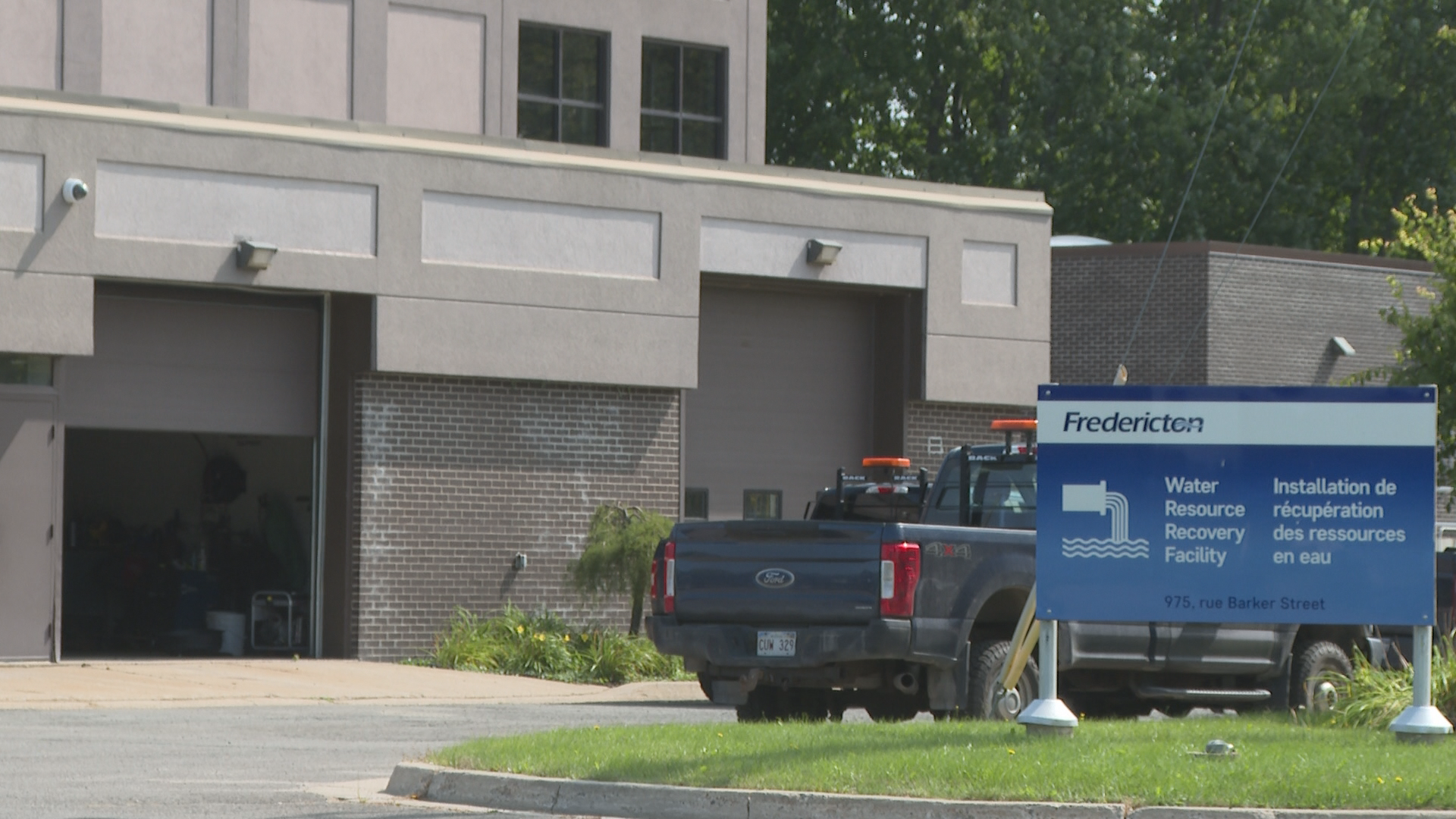
Residents living in the north side of Fredericton are growing increasingly frustrated with the unpleasant odor emanating from the city's sewage treatment plant. For those residing near the plant on Barker Street, even spending time outdoors has become a challenge in recent months, particularly when trucks carrying waste sludge pass by. As one resident put it, "You want to breathe through your nose. If you breathe through your mouth, you almost taste it. That's how bad it is."
The plant treats the city's wastewater and uses microorganisms to break down the waste, creating biosolids as a byproduct. These leftover solids are dewatered and eventually repurposed into topsoil. However, with the city's population expanding, the plant has seen an increase in the volume of biosolids it handles. Marc Colwell, the wastewater treatment supervisor for the City of Fredericton, notes that while they processed around 4,500 tonnes of biosolids yearly in 2019, they now manage approximately 6,000 tonnes annually.
To cope with the increased demand, the plant is operating about 25 extra hours per week. This additional workload may contribute to the heightened odor complaints from nearby residents. Marc Colwell explains that the plant was running the necessary processes from 5 am to 10 pm, which coincides with many people being at home and outside during the summer months.
Kripa Shankar Singh, a civil and chemical engineering professor at the University of New Brunswick (UNB), adds that the weather and atmospheric conditions can also influence the odor. Wind direction can either carry the smell away or bring it closer to residential areas.
The city is currently exploring the use of potassium permanganate, an oxidizer, to help control the odors. However, it may take time for the chemical to take effect. While a strong smell does not automatically indicate a health hazard, Kripa Singh points out that the concentration and frequency of exposure are crucial factors to consider. If the odor persists, is highly concentrated, and potentially toxic, then it could pose a concern.
The city has been testing the biosolids every three months to comply with federal regulations. So far, the results have consistently met the required standards, comparable to other similar facilities in the province. Global News reached out to the New Brunswick government regarding health thresholds, air monitoring, and oversight but did not receive a response before the deadline.
In response to the complaints, the city is adjusting its schedule to minimize the times when "odor-heavy" work is performed. Instead of starting the process at 5 am, the city will now begin at midnight, working until 4 pm. This change aims to reduce the odor impact on nearby residents.
Written by urgent.news from Global News's reporting — not their text. Machine-written — may contain errors; check the original before relying on it.