With another huge infusion of cash, Stoke Space goes even bigger
The space economy will grow exactly as fast as we can launch rockets.
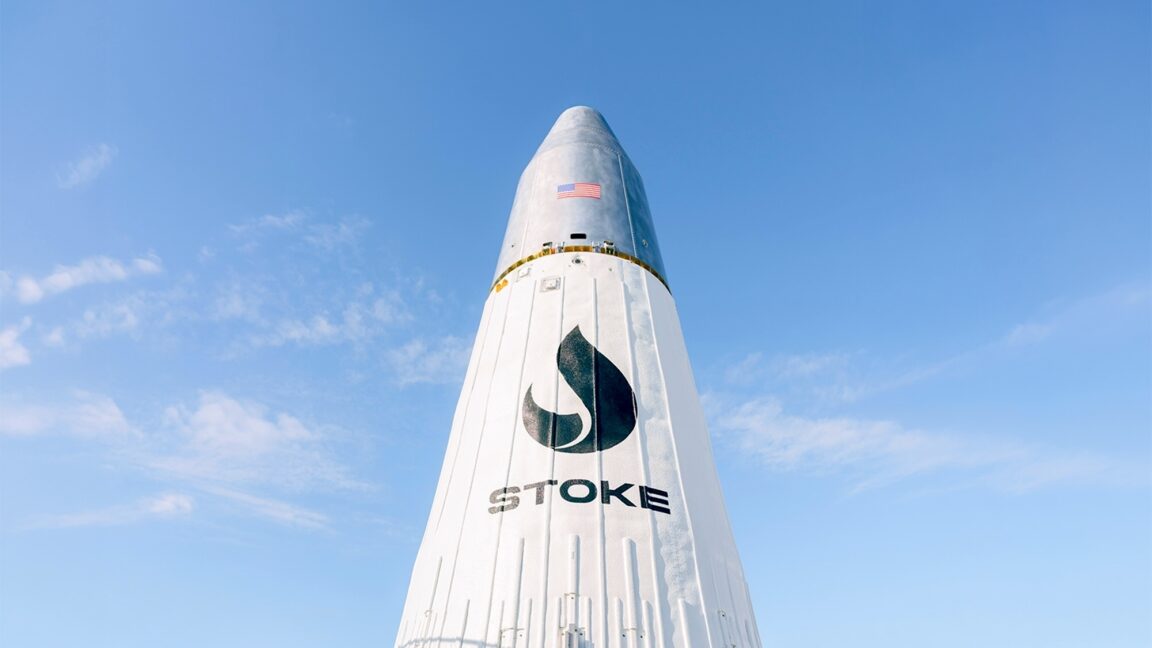
Stoke Space Technologies has successfully completed its initial closing of a $1 billion Series E round of funding, with the goal of reaching orbit and developing a new, larger rocket for operations. CEO Andy Lapsa stated that the funds will be used to scale the company's infrastructure, production, and flight frequency, as well as to develop a second-generation vehicle.
The round was led by Point72 Ventures and Spark Capital, with additional investments from several other companies. This makes Stoke Space one of a select group of startups competing with SpaceX for low-cost rocket launches. Unlike SpaceX's Starship, which is still in development, Stoke Space aims to create a rocket where both the booster stage and the second stage return to Earth for reuse.
This unique approach requires significant capital investment, as SpaceX has spent over $10 billion on Starship without successfully reaching orbit. Stoke Space has raised a total of $2.3 billion in funding so far. Their first vehicle, the Nova Pathfinder, is expected to launch in early 2027, following multiple tests on the rocket's first stage.
Once operational, the rocket will be capable of carrying three metric tons to low-Earth orbit. Stoke Space also plans to develop the even larger Nova Block 2, which will be able to carry 15 metric tons to low-Earth orbit upon its 2029 deployment. According to Lapsa, the company has already secured launch contracts for its vehicles, anticipating that they will be the largest debut vehicles for any U.S. rocket maker.
Written by urgent.news from TechCrunch's reporting — not their text. Machine-written — may contain errors; check the original before relying on it.
This story
This is one outlet's version. Read the fullest account.