What exactly are we educating our children for? Scrap BECE and WASSCE
There comes a time in the life of every nation when it must stop defending a system simply because it has existed for a long time. For Ghana, that time has come. The country’s basic and secondary education system has become excessively obsessed with examinations, grades, aggregates, school categories and placement. Every year, hundreds of […]
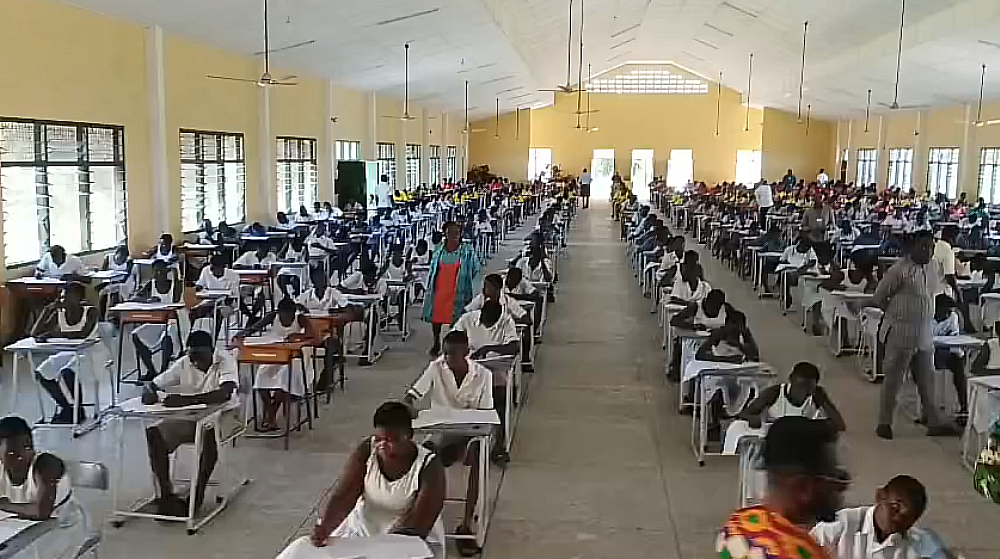
The Ghanaian education system has become overly focused on examinations, grades, and school categories, pushing hundreds of thousands of young people through a repetitive cycle. Beginning with the Basic Education Certificate Examination (BECE), students face another competition after their results are announced, selecting schools and praying for placement.
The West African Senior School Certificate Examination (WASSCE) follows, leading to a competition for university admission. This examination pipeline is not a system of education, but rather a pipeline of examinations.
The BECE and WASSCE, in their current high-stakes forms, should be scrapped and replaced with a modern assessment system that measures what children actually know, their abilities, and the best pathway for their learning. The objective of education should not be to sort students into winners and losers, but to develop human beings. Education should not be designed primarily to rank children and schools, but to prepare them for life.
In 2026, the country will have a chance to rethink its education system. With roughly 50,000 BECE candidates failing to qualify for senior high school placement due to English or Mathematics thresholds, it is clear that the current system is failing many children. There should be a structured second chance for these students, with remedial pathways and alternative educational routes. The system should identify why students fail and help them overcome their problems.
Once students have survived the BECE and entered senior high school, the WASSCE examination culture continues. Three years of schooling are condensed into examination performance, leading to league tables, comparisons, and celebrations of the highest-performing schools. But the question should be: What did the students learn? Memorising for an examination does not develop intellectual, practical, social, and professional competencies required for success in life.
The WASSCE culture has become too powerful, determining university opportunities, public perception of schools, parental decisions, school reputations, and employment conversations. This philosophy that academic performance in a standardised examination is the most important indicator of a young person's potential is dangerous. A child is more than an aggregate, a grade, or a WASSCE certificate.
We are producing examination survivors, not thinkers, problem-solvers, researchers, entrepreneurs, technicians, scientists, writers, engineers, farmers, designers, or leaders. The category system is a symptom of a larger problem, and Ghana needs to have the courage to dismantle the examination pipeline.
Written by urgent.news from Adom Online's reporting — not their text. Machine-written — may contain errors; check the original before relying on it.