Vintage Emulator Studio recreates 44 legendary synths down to the chip level — free MAME-powered component-level emulation should offer exceedingly accurate sound
Vintage Emulator Studio brings iconic vintage synths and samplers to life — MAME-powered component-level emulation should offer exceedingly accurate sound
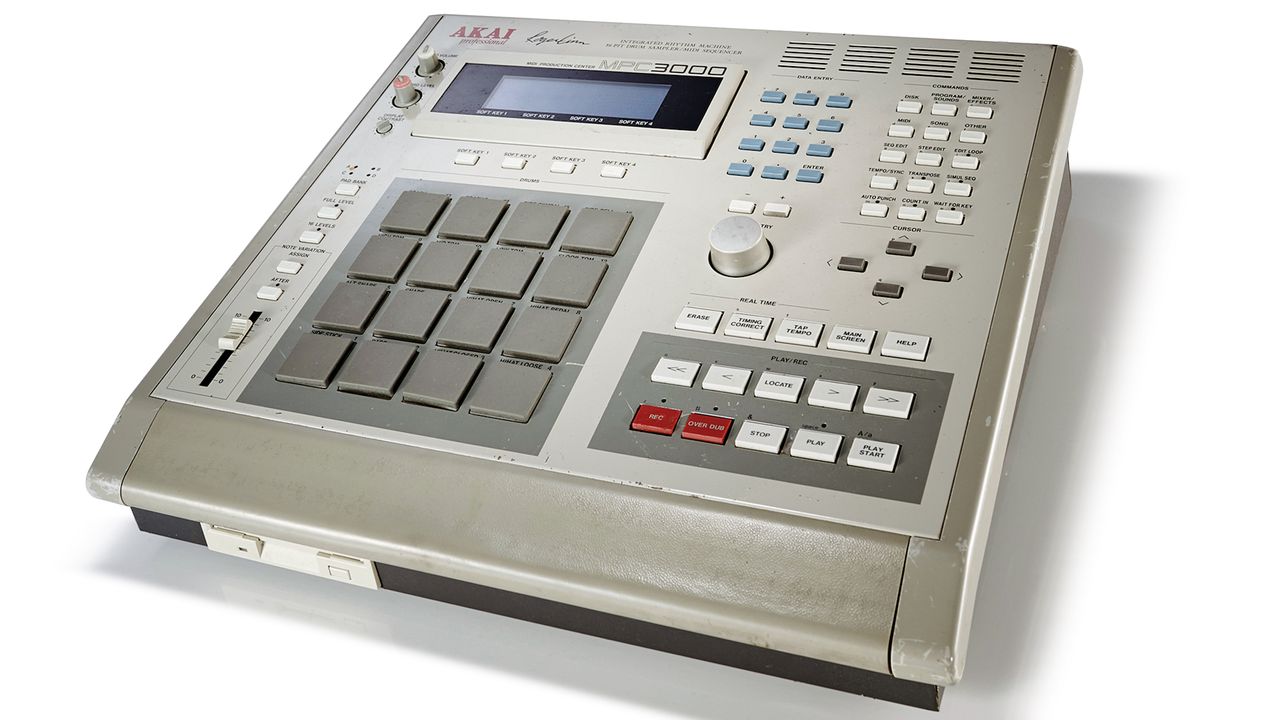
The Vintage Emulator Studio (VES) has arrived, a free plugin boasting the emulation of 44 legendary synthesizers down to the component level. Developed by audio software maker Autodafe, this open-source MAME emulator-powered plugin could potentially surpass commercial offerings in sound accuracy. Among its impressive lineup are iconic machines such as the Akai MPC3000, LinnDrum, Oberheim DMX, and Roland TR-707, used by renowned artists like Dr. Dre, New Order, The Police, INXS, and Prince.
The plugin's standout feature is its full component-level emulation, leveraging MAME to faithfully reproduce each processor, tone generator, envelope generator, filter chip, and converter. For machines where MAME emulation is more advanced, analog and digital output stages are also recreated, eliminating the need for additional low-pass filters or tricks to achieve authentic sound.
The plugin sports a skeuomorphic, HiDPI-ready UI that replicates the control panels, dials, buttons, and LCD displays of the real hardware, providing a familiar interface for seasoned synth-heads. However, users should note that they'll need to provide their own ROM/firmware and sample packs for each synthesizer, which may raise legal concerns if they don't own the original hardware.
Additionally, CPU usage is likely to be high due to the extensive component simulation. Some emulation cores, like the Akai MPC-3000, are nearly complete, while others, such as the Prophet-5, are relatively new to MAME. Despite these potential drawbacks, VES promises frequent updates as the MAME core develops. The plugin is available as a VST3 or AU format for Windows, macOS Intel/M-series, and Linux, as well as a standalone application.
Written by urgent.news from Tom's Hardware's reporting — not their text. Machine-written — may contain errors; check the original before relying on it.