The Republican Origins of Medicare for All
A plan that a GOP senator proudly championed in 1970 is today seen as radical.
The idea of "Medicare for All," which involves extending the current Medicare program to cover all Americans, has gained popularity among progressive politicians ahead of the 2026 midterm elections. This concept, which first emerged during Senator Bernie Sanders' 2016 primary campaign, is seen by many as a solution to the healthcare crisis. The appeal of expanding an already successful program, rather than starting from scratch, is a key argument made by progressives.
Progressive supporters, such as Senator Bernie Sanders, Rep. Alexandria Ocasio-Cortez, and Michigan Senate candidate Abdul El-Sayed, have all championed the idea. Hakeem Jeffries, once a strong supporter of Medicare for All, has now distanced himself from the legislation. However, what many Americans may not know is that the concept of universal healthcare has its roots in Republican politics.
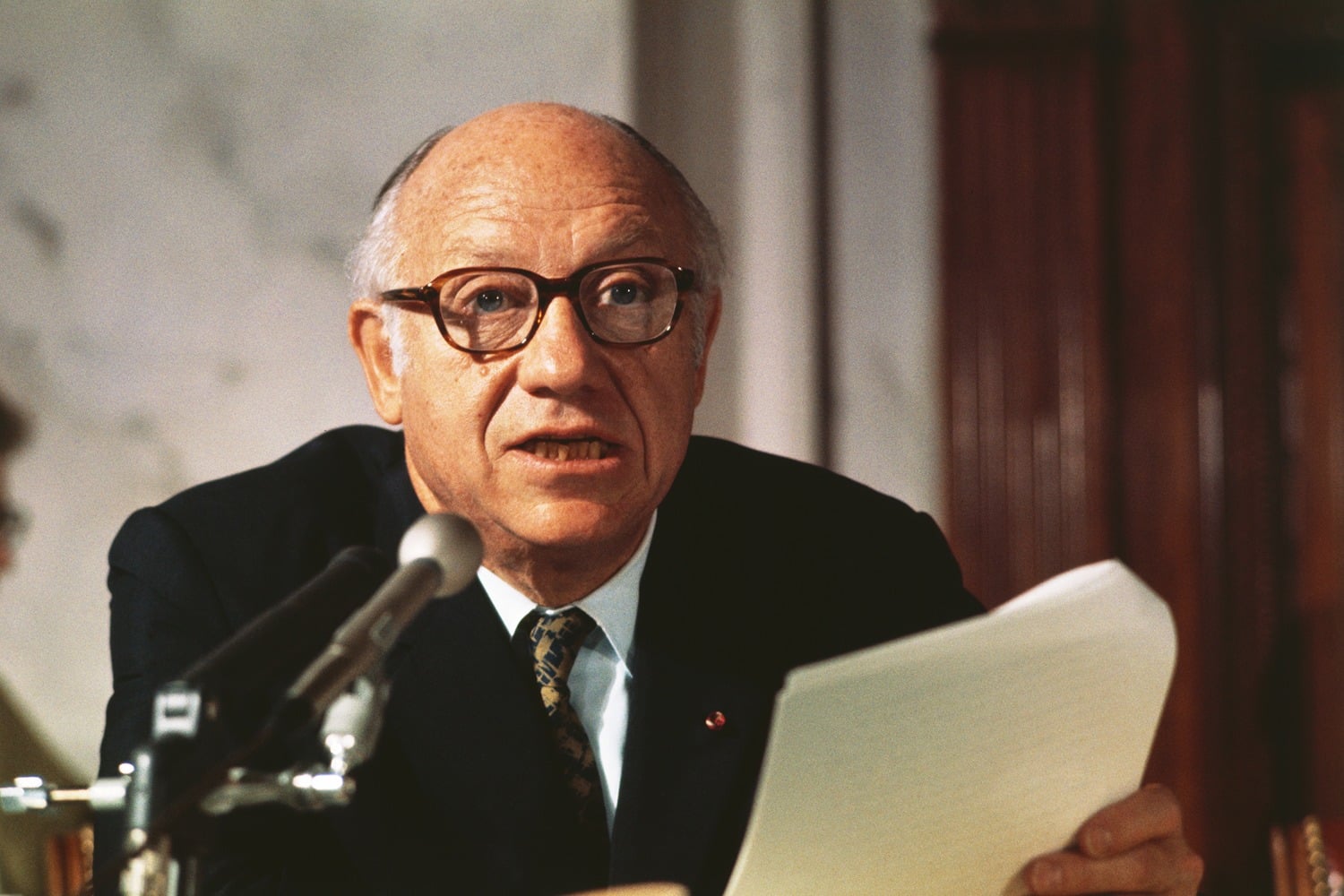
In 1970, New York Republican Senator Jacob Javits introduced a proposal that laid the foundation for the Medicare for All movement. Javits, who hailed from a poor background in New York's Lower East Side, was part of a liberal Republican coalition that was influential in healthcare and civil rights issues before the conservative shift of the 1980s.
Javits, who believed in building bipartisan bridges, played a crucial role in shaping key aspects of the final Medicare legislation, including the decision to use private insurance to administer the program.
The concept of Medicare itself originated from liberal frustration with President Harry Truman's failure to enact national healthcare insurance in 1965. Although Truman, the first president to propose such a policy, faced intense opposition from the American Medical Association (AMA), who warned that it would lead to "socialized medicine," the program's popularity grew among organized labor and Democrats.
The AMA's opposition was rooted in the belief that the doctor-patient relationship should remain free of government interference, a sentiment that had been deeply entrenched since the rise of modern medicine in the early 20th century.
Despite the initial opposition, the legislation was eventually passed in 1965, creating Medicare Part A (hospital insurance) and Part B (voluntary physician insurance). The program was designed to provide healthcare coverage to elderly Americans, a group that was widely seen as deserving of government assistance due to their lifetime of work.
Written by urgent.news from Foreign Policy's reporting — not their text. Machine-written — may contain errors; check the original before relying on it.