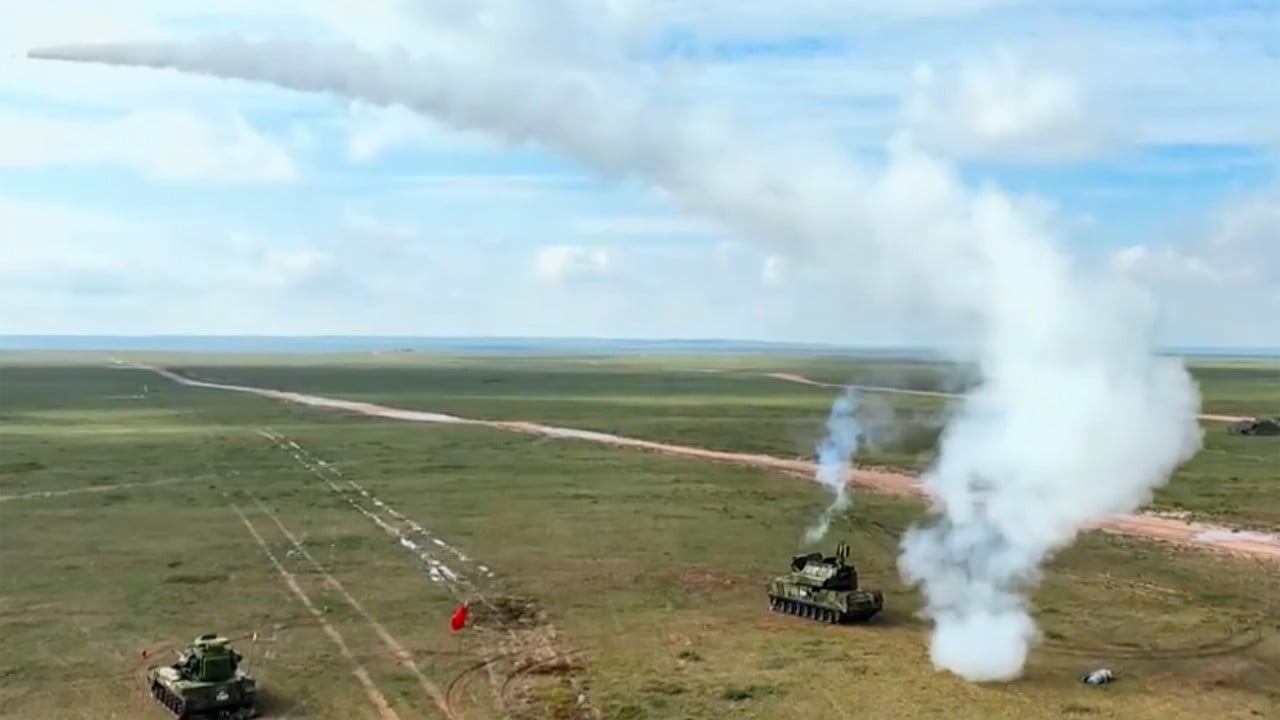
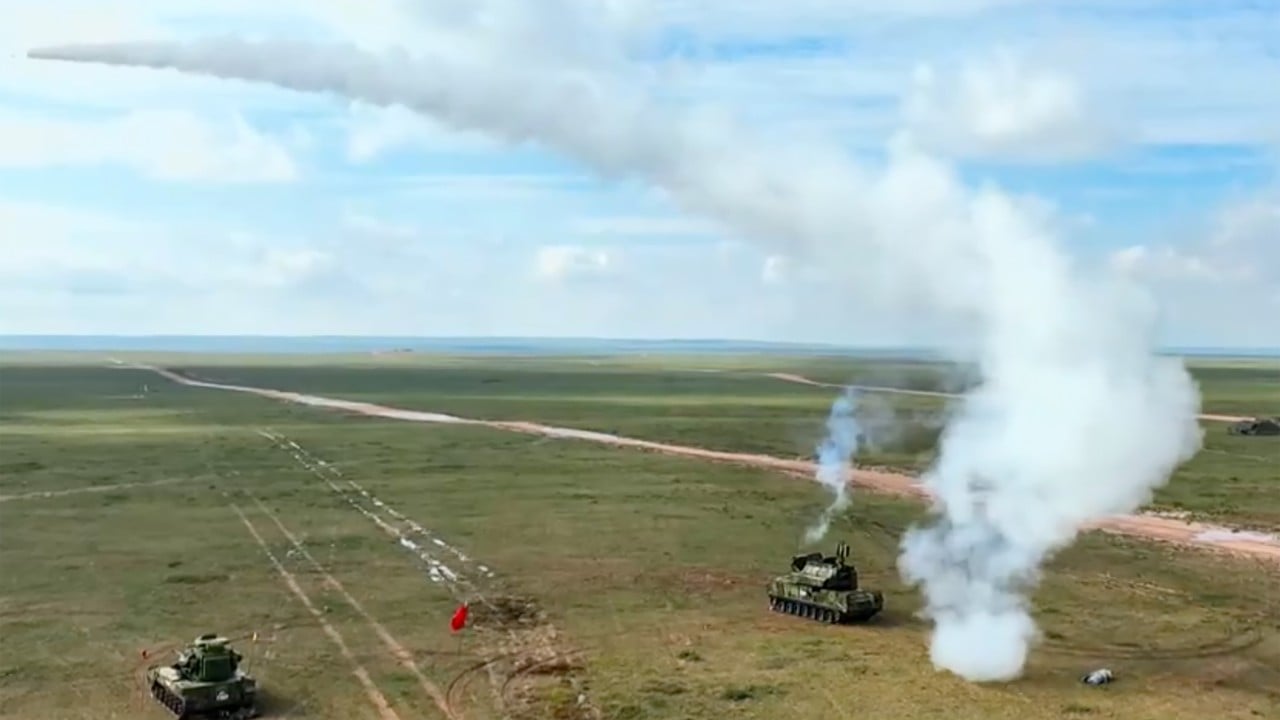
The Iran war tested the Gulf’s multipolar strategy, but it did not end it
For several years, Gulf states have been widening the circle of their international partnerships. The logic was straightforward: keep the US as the principal security partner, while building deeper economic ties with China, India, Europe and the rest of Asia. The Iran war has meant that strategy needs a review . When the crisis turned military, the US quickly returned to the centre of the…
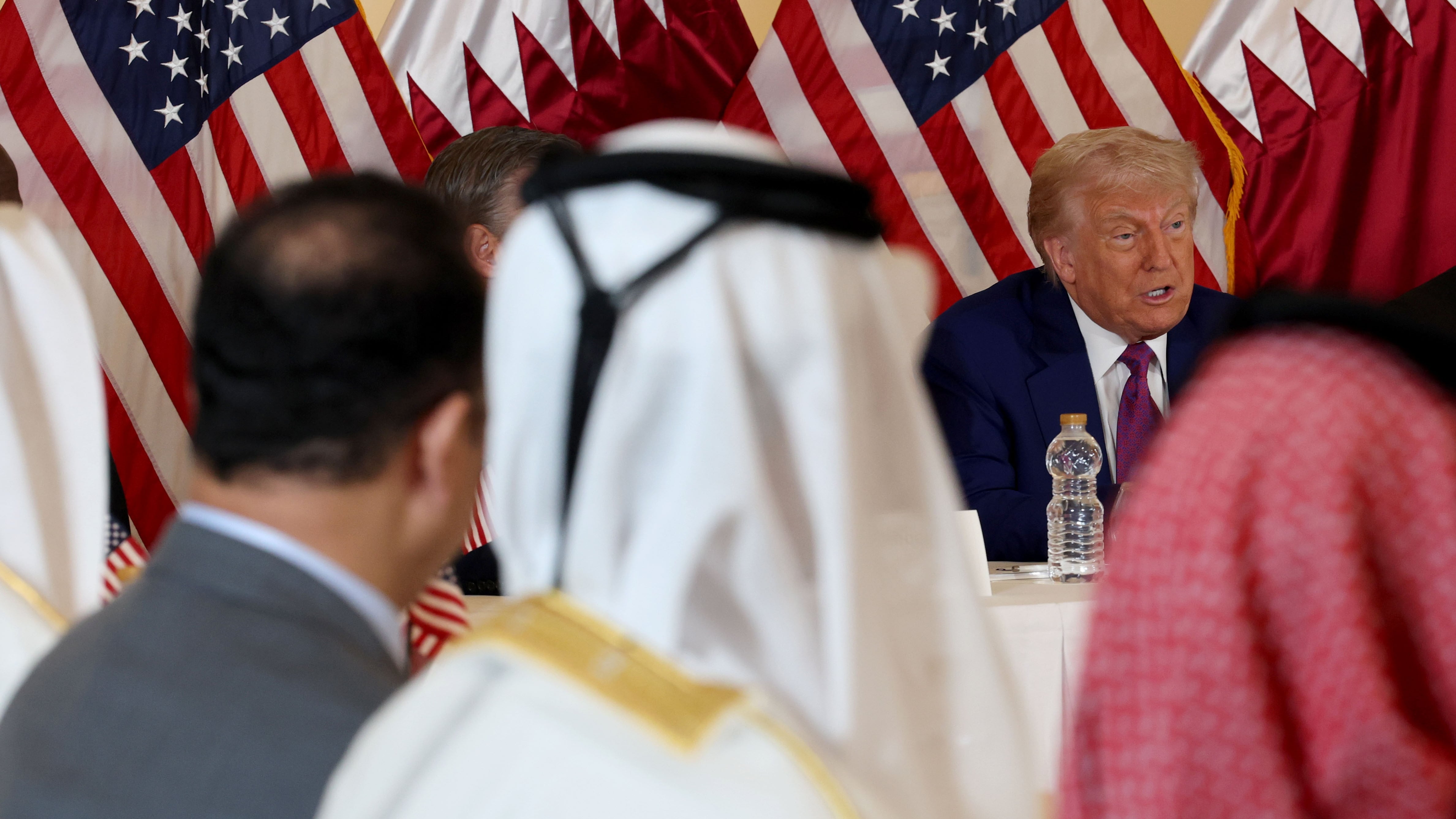
The Iran war prompted a reassessment of the Gulf states' approach to regional security. Traditionally, the strategy involved maintaining close ties with the United States while simultaneously strengthening economic partnerships with China, India, Europe, and other Asian nations. However, during the conflict, the United States' extensive military capabilities and influence quickly regained prominence in the security equation.
No other outside power possesses the same combination of security assets as the US, leaving the Gulf with no alternative source of comprehensive security protection.
Despite this, the war did not reverse the economic shifts that had already occurred in the region. China remains essential to the Gulf's energy and trade sectors, while India's presence in these areas is rapidly expanding. Europe continues to play a vital role in investments, technology, defence, and commerce. Currently, the region's economic relationships are more diverse than its security ties.
The Gulf states have become economically multipolar before achieving multipolarity in security matters. This distinction highlights the complexity of the strategic challenges the Gulf faces today.
The primary challenge for Gulf states is balancing close security ties with the United States while expanding economic and technological relationships with other countries without compromising their options in either domain. China's trade with the Gulf countries surpassed $288 billion in 2024, and India's trade with the Gulf reached almost $179 billion in the 2024-2025 financial year.
Europe remains one of the region's most significant trading and investment partners. However, energy flows are increasingly oriented towards Asia, with 89% of crude oil and natural-gas condensate traveling through the Strait of Hormuz reaching Asian markets in the first half of 2023. Asia is no longer just an option for the Gulf; it is fundamental to their economic growth.
This strategic arrangement is manageable during peacetime but becomes more evident during conflicts. The Strait of Hormuz's disruption revealed just how central the Gulf is to the global economy, with over 20 million barrels of oil and petroleum products passing through the strait daily before the conflict. War highlights the limitations of relying on a single security partner, as ports, energy facilities, maritime routes, and logistical networks are vital economic assets that can be targeted in times of conflict. While a powerful security partner can mitigate some risks, they cannot eliminate them entirely.
The Gulf's security debate should shift from focusing solely on who provides security guarantees to understanding how well the region can absorb disruptions when protection is incomplete. This includes assessing the speed of infrastructure recovery and the availability of alternatives when critical infrastructure, routes, or energy facilities are compromised.
Deterrence remains crucial, but so does resilience. Advanced technologies, such as artificial intelligence, advanced computing, semiconductors, cloud infrastructure, communications networks, satellites, and data, have become integral to modern security systems. The growing competition between the US and China over these technologies poses new challenges for Gulf states, who must navigate the potential limitations of diversification as a strategy.
While reducing dependence on any single partner may lower some risks, it does not eliminate the underlying dependence. Effective strategic autonomy now requires a more nuanced approach, considering the intricate interplay between security, technology, markets, and supply chains.
Written by urgent.news from The National Business's reporting — not their text. Machine-written — may contain errors; check the original before relying on it.
This story
This is one outlet's version. Read the fullest account.
- The Iran war tested the Gulf’s multipolar strategy, but it did not end it thenationalnews.com