The body image battle is real in 2026, but the bodies may not be
A societal spotlight on extreme thinness is stripping body diversity from screens, just as fashion magazines did in the early aughts, mental health experts tell Axios. The big picture: Fake content creators are introducing unattainable, AI-generated body images that prey on human nature and exacerbate the struggle for many to reach self-acceptance for their bodies. When shrunken celebrities…
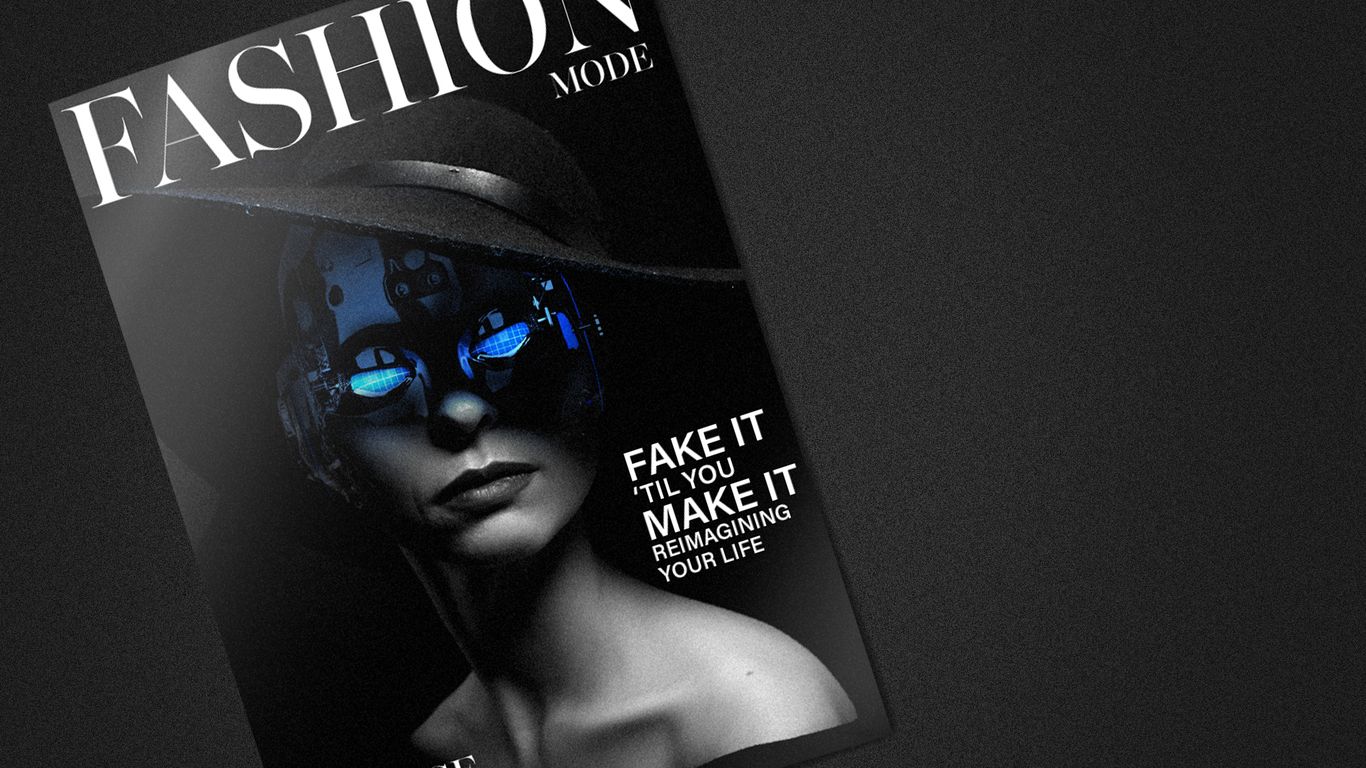
In 2026, a spotlight on extreme thinness is eroding body diversity across screens, according to mental health experts. Fake, AI-generated body images are becoming increasingly prevalent, preying on human nature and worsening the struggle for self-acceptance. When shrunken celebrities become the ideal, it influences virtual influencers to emulate that look, exacerbating the cycle.
Some pose as influencers selling wellness products, while others share body transitions or beauty advice. Research reveals that even when people know the images are AI-generated, it still negatively impacts their body satisfaction. Despite the existence of GLP-1 trends and dangerous internet fads, body diversity remains online. Terms like body acceptance and body liberation can be searched for help.
Written by urgent.news from Axios's reporting — not their text. Machine-written — may contain errors; check the original before relying on it.