The 10 most significant iPhones ever released and how they changed photography
I look at the iPhones that changed everything for photographers, from the very beginning to the present day. The post The 10 most significant iPhones ever released and how they changed photography appeared first on Amateur Photographer .
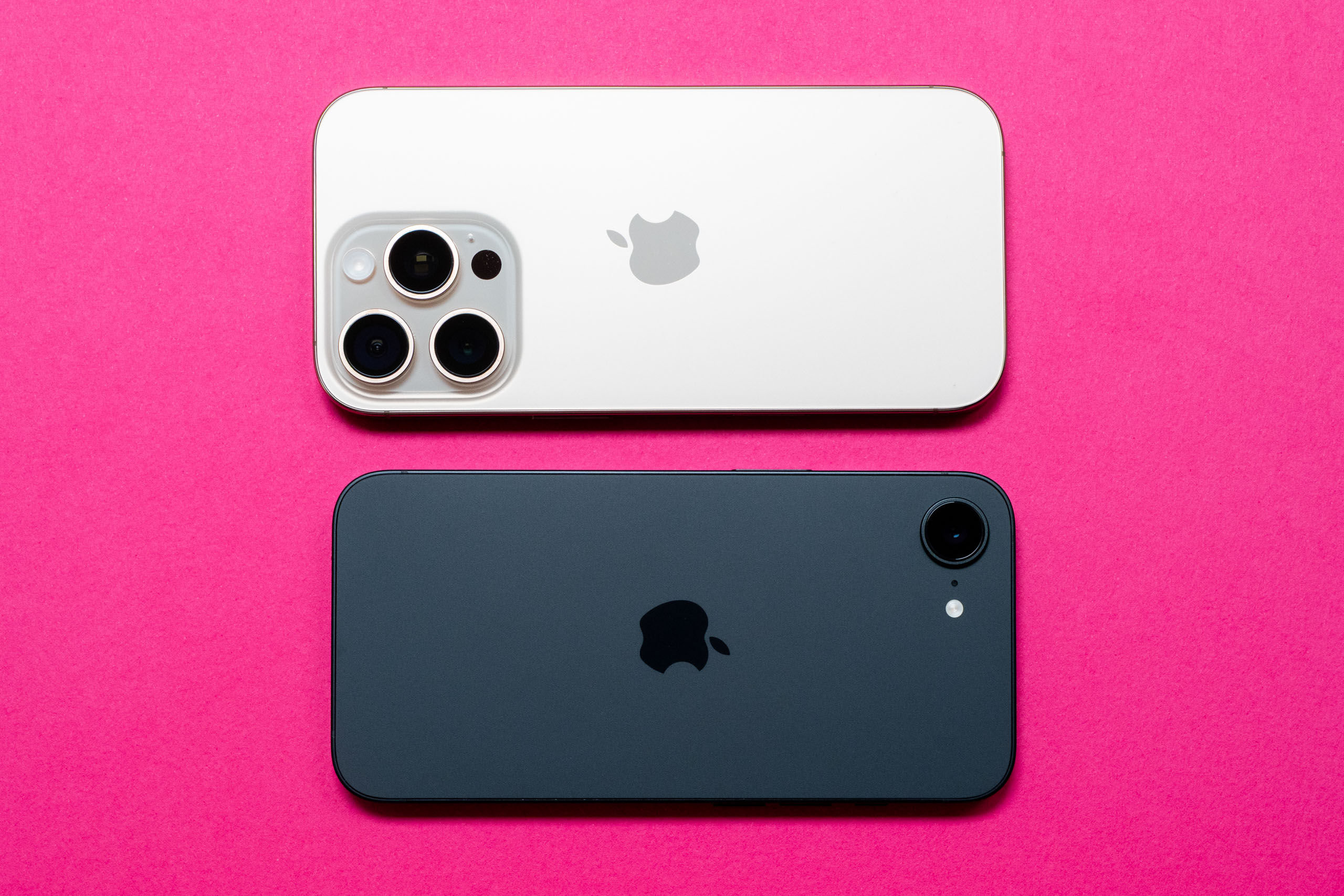
Since the launch of the first iPhone in 2007, the addition of a camera has remained a key feature that has helped shape the image of the device. The release of the iPhone 3G in 2008 marked the start of the modern iPhone era, introducing 3G connectivity and the App Store, which enabled third-party software development. However, the camera on the iPhone 3G was quite basic, featuring a fixed-focus 2MP single camera with no flash, no zoom, and no native video recording capabilities.
It was not until the iPhone 4 in 2010 that the first front-facing camera was added, paving the way for the selfie craze that would dominate the 2010s. This camera, while not the best, was popular and marked a turning point in smartphone photography. In 2011, the iPhone 4s brought about a significant improvement in camera quality with its 8MP rear camera, featuring a redesigned sensor that improved low light performance and a larger aperture of f/2.4.
The camera was also easier to use, thanks to a more responsive design and digital zoom with decent interpolation.
Written by urgent.news from Amateur Photographer's reporting — not their text. Machine-written — may contain errors; check the original before relying on it.